

Yal Plomizo vs Yal Plebeyo
Geospizopsis unicolor frente a Geospizopsis plebejus
Juega un quiz con Yal Plomizo y Yal Plebeyo
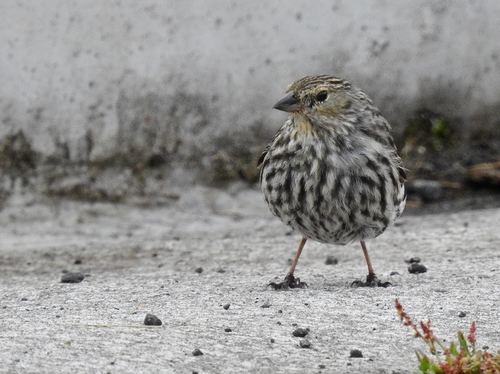 Yal Plomizo
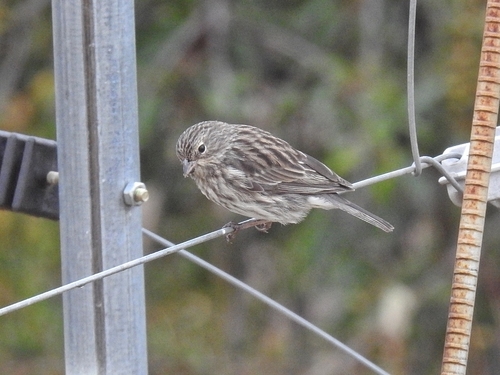 Yal Plebeyo
En breve
La forma más confiable de separar el Yal Plomizo del Yal Plebeyo es por la coloración general: el Plomizo es de un gris plomo uniforme, mientras que el Plebeyo muestra un pecho gris más claro y a menudo alas y cola más marrones o más oscuras, especialmente en algunas subespecies. Ambas especies se superponen en gran parte de su rango y hábitat andino, pero el Plebeyo prefiere matorrales más secos además de praderas. La estructura y el tamaño son similares, pero las diferencias sutiles en el color de las alas y la cola, especialmente en vuelo, pueden ayudar. La variación inmadura y regional en el Plebeyo puede causar confusión, así que enfócate en la uniformidad del gris y la falta de contraste en el Plomizo frente al aspecto más patrón, a menudo bicolor, del Plebeyo.
Consejos de identificación
- Uniformidad del gris (todas las edades): El Yal Plomizo es casi monocromático gris plomo, con poco o ningún contraste entre la cabeza, el pecho, la espalda, las alas y la cola. Si el ave parece uniformemente gris en todas partes, es probable que sea Plomizo.
- Contraste en el plumaje (todas las edades): El Yal Plebeyo generalmente muestra un pecho y abdomen gris más claro, con alas y cola notablemente más oscuras. Busca este efecto bicolor, especialmente en aves posadas.
- Color de alas y cola (adultos, todas las estaciones): En el Plebeyo, las alas y la cola son a menudo negruzcas o marrón oscuro, destacándose contra el cuerpo más claro. El Plomizo tiene alas y cola que se mezclan suavemente con el resto del plumaje.
- Color de flancos y parte superior (subespecies regionales): Algunas subespecies del Plebeyo (notablemente G. p. naroskyi y G. p. ocularis) muestran flancos más oscuros y una parte superior más grisácea, menos marrón, pero aún mantienen más contraste que el Plomizo. Ten cuidado en áreas donde ocurren estas formas.
- Rayado (principalmente Plebeyo, nominada): El Plebeyo nominada (Andes del norte) puede mostrar un leve rayado en las partes superiores, a diferencia del Plomizo liso.
- Forma y tamaño del pico: Ambas especies tienen picos cortos y similares a los de los pinzones; la estructura del pico no es un separador confiable en el campo.
- Tamaño: Ambas son pequeñas, robustas y de tamaño similar. No confíes en el tamaño para la separación.
- Contexto del hábitat: En praderas o pastizales de alta montaña puros, el Plomizo puede ser más probable; en pendientes o valles secos y arbustivos, se prefiere el Plebeyo. Sin embargo, ambos pueden ocurrir juntos, así que usa el hábitat solo como una pista de apoyo.
- Vistas posadas vs. en vuelo: En vuelo, busca el contraste entre el cuerpo y las alas/cola en el Plebeyo; el Plomizo debería permanecer uniformemente gris. No se reportan paneles o bordes distintivos en las alas para ninguna de las especies.
- Sexo y estación: No se nota un fuerte dimorfismo sexual o cambio estacional en estas fuentes; ambos sexos y todas las estaciones deberían seguir los patrones básicos anteriores.
- Confusión juvenil/inmadura: No se dan marcas juveniles específicas, pero los jóvenes Plebeyo pueden ser más marrones o más rayados en la parte superior, mientras que los jóvenes Plomizo deberían seguir apareciendo más uniformes.
- Trampas: Ten cuidado con la variación regional en el Plebeyo, especialmente en los Andes del sur donde las aves pueden ser más grises y menos marrones. Siempre verifica el contraste, no solo la grisura general.
- Composición de bandadas: Ambas especies pueden mezclarse en bandadas, así que verifica cada ave individualmente en lugar de asumir que todas son iguales.
- Voz: No se proporcionan diferencias vocales distintivas en estas notas; no confíes en los llamados o el canto para la separación.
- Efectos de iluminación: En luz pobre, el Plebeyo puede parecer más uniformemente gris, así que siempre busca un contraste sutil en las alas y la cola antes de concluir que es Plomizo.
Tamaño
Ambas especies son pequeños sierra-finches y muy cercanos en tamaño. El Yal Plebeyo se reporta con una longitud de 11–11.5 cm y un peso de 13–17.4 g [wikipedia]. No se dan medidas directas para el Yal Plomizo en estas notas, pero la experiencia de campo y las referencias sugieren que son de tamaño similar, por lo que el tamaño no es un separador confiable en el campo.
Plumaje
-
Plumaje juvenil/inmaduro/primer invierno: No se proporcionan detalles explícitos para los patrones de alas juveniles o inmaduros para ninguna de las especies, por lo que no hay marcas de vuelo específicas por edad para usar.
-
Plumaje adulto: El Yal Plomizo es notablemente uniforme gris plomo en general, con poco o ningún contraste entre la cabeza, el pecho, la espalda, las alas y la cola. El Yal Plebeyo, por el contrario, tiene un pecho y abdomen gris más claro, con alas y cola más oscuras; algunas subespecies (notablemente G. p. naroskyi y G. p. ocularis) son más grisáceas y menos marrones, pero aún muestran más contraste que el Plomizo. El Plebeyo también muestra a menudo flancos más oscuros y una cola y alas negruzcas, especialmente en las subespecies del sur. Las partes superiores del Plebeyo pueden estar ligeramente rayadas o mostrar un tono más marrón en algunas formas, a diferencia del gris liso del Plomizo.
Comportamiento
Ambas especies son pinzones que forrajean en el suelo en áreas abiertas de gran altitud, a menudo vistos en pequeñas bandadas. No se nota una diferencia de comportamiento fuerte en estas fuentes; ambas se posan en rocas o arbustos bajos y se alimentan de semillas e insectos. El estilo de vuelo y el comportamiento social no son diagnósticos.
Hábitat
Ambas especies se superponen extensamente en los Andes de Argentina, Bolivia, Chile, Ecuador y Perú. El Yal Plomizo está más estrictamente asociado con pastizales y tierras de pastoreo de alta montaña, mientras que el Yal Plebeyo también utiliza matorrales secos y de alta montaña además de praderas. Si encuentras el ave en una pendiente arbustiva, árida o en un valle seco, es más probable que sea Plebeyo, pero ambos pueden ocurrir juntos en hábitats abiertos mixtos.