

parasitic weaver vs parrot-billed sparrow
Anomalospiza imberbis versus Passer gongonensis
Jogue um quiz com parasitic weaver e parrot-billed sparrow
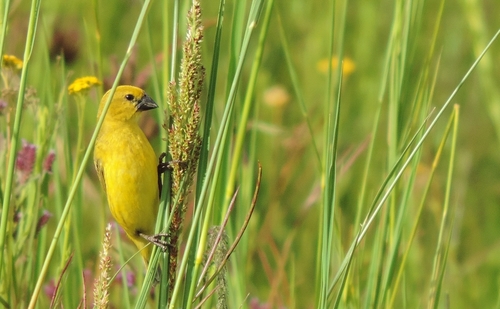 parasitic weaver
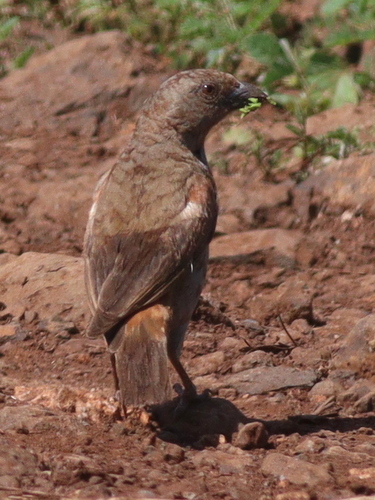 parrot-billed sparrow
Em resumo
A marca de campo mais confiável entre o parasitic weaver e o parrot-billed sparrow é o tamanho: o parasitic weaver é um pássaro pequeno, semelhante a um tentilhão, enquanto o parrot-billed sparrow é muito maior e mais robusto, o maior pardal de sua família. Os machos adultos do parasitic weaver são amarelos brilhantes e verde-oliva, contrastando fortemente com os tons mais suaves, acinzentados ou marrons do pardal. Fêmeas e imaturos podem ser mais complicados, mas a plumagem listrada de buff do tecelão e o rosto liso de buff diferem da constituição mais pesada e dos tons provavelmente mais acinzentados do pardal. A forma do bico também é fundamental: o tecelão tem um bico profundo e cônico, enquanto o bico do pardal é ainda mais maciço e semelhante ao de um papagaio. O habitat e o comportamento também ajudam—observe os movimentos pesados e semelhantes a pardais do pardal em contraste com as ações mais leves e semelhantes a tentilhões do tecelão.
Dicas de identificação
- O tamanho é o separador mais rápido: o parasitic weaver é pequeno (11–13 cm), enquanto o parrot-billed sparrow é muito grande para um pardal (18 cm, quase 40 g). Se o pássaro parecer robusto e grande, é o pardal.
- Forma e tamanho do bico: Ambos têm bicos fortes, mas o bico do parrot-billed sparrow é excepcionalmente grosso, profundo e semelhante ao de um papagaio, ainda mais do que o bico cônico profundo do tecelão. Em vistas próximas, o bico do pardal é quase desproporcional para sua cabeça.
- Plumagem do macho adulto: Cabeça e partes inferiores amarelas brilhantes com partes superiores listradas de verde-oliva e um bico preto são diagnósticos para o macho do parasitic weaver. O parrot-billed sparrow nunca mostra amarelo.
- Plumagem de fêmeas/imaturos: A fêmea do parasitic weaver é de buff com listras pretas pesadas acima, listras mais claras nas laterais e um rosto liso de buff. O parrot-billed sparrow é mais uniformemente acinzentado ou marronzado, com pouca ou nenhuma listragem e uma aparência mais pesada e simples.
- Padrão facial: As fêmeas do parasitic weaver têm um rosto liso de buff e uma garganta de buff-branco, enquanto o rosto do parrot-billed sparrow é mais uniforme e carece de marcas fortes.
- Partes superiores: Listras pretas pesadas nas costas e partes superiores são uma característica da fêmea/imaturo do parasitic weaver, mas não do pardal.
- Tons amarelos: Qualquer amarelo na plumagem aponta para o parasitic weaver; o parrot-billed sparrow nunca é amarelado.
- Comportamento geral: O parasitic weaver é rápido, ágil e semelhante a um tentilhão. O parrot-billed sparrow é pesado, deliberado e semelhante a um pardal em seus movimentos.
- Contexto de habitat: O parasitic weaver prefere campos, enquanto o parrot-billed sparrow é encontrado em baixadas áridas. O habitat pode ajudar, mas cuidado com a sobreposição em zonas de transição.
- Vocalizações: Chamadas tagarelas, canções nasais são dadas pelo parasitic weaver, especialmente machos em exibição. As chamadas do parrot-billed sparrow não são descritas, mas provavelmente são típicas de piados de pardais.
- Forma da cauda e das asas: Nenhuma diferença distintiva é notada, mas a cauda do tecelão pode parecer mais curta e mais semelhante a um tentilhão.
- Associação em bandos: O parasitic weaver pode ser encontrado com outros pequenos tentilhões, enquanto o parrot-billed sparrow é frequentemente visto com outros pardais.
- Dimorfismo sexual: Apenas o parasitic weaver apresenta um forte dimorfismo sexual (machos brilhantes, fêmeas listradas); os sexos do parrot-billed sparrow são semelhantes.
- Variação sazonal: O amarelo do macho do parasitic weaver se torna mais brilhante à medida que as penas se desgastam antes da reprodução; o parrot-billed sparrow não apresenta tal mudança sazonal.
- Armadilhas do quiz: Imaturos/fêmeas do parasitic weaver podem ser confundidos com pequenos pardais, mas o tamanho, listragem e forma do bico devem esclarecer. Se houver dúvida, use uma combinação de tamanho, bico e qualquer indício de amarelo ou listragem.
Tamanho
O parasitic weaver é um pássaro pequeno, com cerca de 11–13 cm de comprimento e muito mais leve que o parrot-billed sparrow. Em contraste, o parrot-billed sparrow é muito grande para um pardal, atingindo 18 cm e quase 40 gramas de massa, tornando-se mais de duas vezes mais pesado e substancialmente mais longo que o tecelão. Essa diferença de tamanho é geralmente óbvia em campo, especialmente quando vistos lado a lado ou com espécies familiares para escala.
Plumagem
O macho adulto do parasitic weaver é inconfundível: cabeça e partes inferiores amarelas brilhantes, partes superiores listradas de verde-oliva e um bico preto. As fêmeas são de buff com listras pretas pesadas acima e listras mais claras nas laterais, com um rosto liso de buff e garganta de buff-branco. O parrot-billed sparrow, em contraste, não apresenta amarelo; ambos os sexos são geralmente acinzentados ou marrons, com uma coloração muito mais uniforme e suave. A plumagem do pardal é menos listrada e mais sólida, especialmente na cabeça, e seu bico é ainda mais maciço e semelhante ao de um papagaio do que o do tecelão. Não há notas sobre padrões de asas juvenis ou imaturos distintivos para nenhuma das espécies, portanto, marcas de voo específicas para idade não são um separador chave aqui. Se você ver um pássaro pequeno, amarelado e listrado, é o tecelão; um pássaro grande, liso e de bico pesado é o pardal.
Comportamento
O parasitic weaver se comporta como um pequeno tentilhão: rápido, ágil e frequentemente visto em campos ou áreas abertas. O parrot-billed sparrow se move com ações mais pesadas e deliberadas, típicas de grandes pardais, frequentemente se alimentando no chão ou em arbustos baixos. O volume e o tamanho do pardal afetam seu comportamento, fazendo-o parecer mais robusto e menos ágil do que o tecelão.
Habitat
O parasitic weaver é encontrado em habitats de campos em toda a África subsaariana, enquanto o parrot-billed sparrow prefere as baixadas áridas do leste da África. Se você estiver em uma área baixa, seca e aberta, especialmente no leste da África, é mais provável que encontre o parrot-billed sparrow. O tecelão está mais associado a áreas gramadas, possivelmente mais úmidas, e não está ligado a zonas áridas.
Voz
O parasitic weaver emite várias chamadas tagarelas e, ao exibir, uma canção nasal. Nenhum detalhe vocal é fornecido para o parrot-billed sparrow, mas as vocalizações de pardais são tipicamente piados ou chamadas simples. Se você ouvir uma canção nasal e tagarela, pode indicar o tecelão, mas a voz não é o separador mais confiável aqui.
parasitic weaver · parrot-billed sparrow · Minhas aves difíceis