

Motmot

カッコウハタオリ 対 ハシブトハイガシラスズメ

Anomalospiza imberbis 対 Passer gongonensis

カッコウハタオリとハシブトハイガシラスズメのクイズ
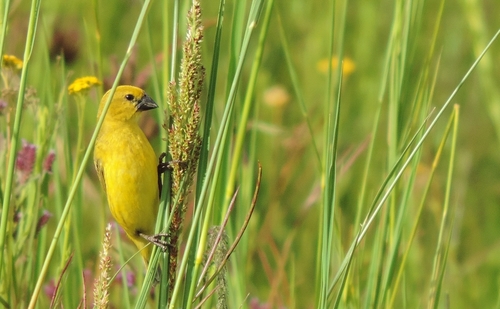
カッコウハタオリ (Anomalospiza imberbis) カッコウハタオリ
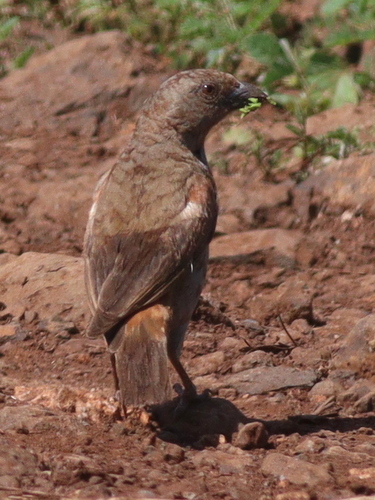
ハシブトハイガシラスズメ (Passer gongonensis) ハシブトハイガシラスズメ

メディア

読み込み中…

要点

カッコウハタオリとハシブトハイガシラスズメの最も信頼できるフィールドマークはサイズです:カッコウハタオリは小さく、フィンチのような鳥ですが、ハシブトハイガシラスズメははるかに大きく、がっしりとしており、家族の中で最も大きなスズメです。成鳥のオスのカッコウハタオリは明るい黄色とオリーブグリーンで、スズメのより控えめな灰色や茶色のトーンと鋭く対比しています。メスや幼鳥はより難しい場合がありますが、ハタオリのストライプの入ったバフ色の羽毛と平坦なバフ色の顔は、スズメのより重い体型とおそらく灰色のトーンとは異なります。くちばしの形も重要です:ハタオリは深く円錐形のくちばしを持ち、スズメのくちばしはさらに大きく、オウムのようです。生息地と動きも役立ちます—スズメの重い、スズメのような動きと、ハタオリの軽やかでフィンチのような動きを観察してください。

識別のコツ

  1. Size is the quickest separator: カッコウハタオリは小さい(11〜13 cm)ですが、ハシブトハイガシラスズメはスズメとしては非常に大きい(18 cm、ほぼ40 g)です。鳥ががっしりとして大きく見える場合、それはスズメです。
  2. Bill shape and size: 両者ともに強いくちばしを持っていますが、ハシブトハイガシラスズメのくちばしは特に厚く、深く、オウムのようで、ハタオリの深い円錐形のくちばしよりもさらにそうです。近くで見ると、スズメのくちばしは頭に対してほぼ大きすぎるように見えます。
  3. Adult male plumage: 明るい黄色の頭と腹部、オリーブグリーンのストライプの入った上面、黒いくちばしはオスのカッコウハタオリの診断的な特徴です。ハシブトハイガシラスズメは決して黄色を示しません。
  4. Female/immature plumage: メスのカッコウハタオリはバフ色で、上部に重い黒いストライプがあり、側面にはより明るいストライプがあり、平坦なバフ色の顔を持っています。ハシブトハイガシラスズメはより均一に灰色または茶色で、ストライプがほとんどなく、より重く、平坦な外観です。
  5. Face pattern: カッコウハタオリのメスは平坦なバフ色の顔とバフホワイトの喉を持っていますが、ハシブトハイガシラスズメの顔はより均一で強いマーキングがありません。
  6. Upperparts: 背中と上面の重い黒いストライプはメス/幼鳥のカッコウハタオリの特徴ですが、スズメにはありません。
  7. Yellow tones: 羽毛に黄色があればカッコウハタオリを示します;ハシブトハイガシラスズメは決して黄色がかりません。
  8. General jizz: カッコウハタオリは素早く、敏捷で、フィンチのようです。ハシブトハイガシラスズメは重く、意図的で、スズメのような動きをします。
  9. Habitat context: カッコウハタオリは草原を好み、ハシブトハイガシラスズメは乾燥した低地に生息します。生息地は役立ちますが、移行ゾーンでの重複に注意してください。
  10. Vocalizations: カッコウハタオリはさまざまなおしゃべりの声を出し、特にディスプレイ中のオスは鼻声の歌を歌います。ハシブトハイガシラスズメの呼び声は記載されていませんが、スズメの鳴き声は通常、さえずりや単純な呼び声です。
  11. Tail and wing shape: 特徴的な違いは記載されていませんが、ハタオリの尾は短く、フィンチのように見えるかもしれません。
  12. Flock association: カッコウハタオリは他の小さなフィンチと一緒に見られることがありますが、ハシブトハイガシラスズメは他のスズメと一緒にいることが多いです。
  13. Sexual dimorphism: カッコウハタオリだけが強い性的二形性を示します(明るいオス、ストライプのあるメス);ハシブトハイガシラスズメの性別は似ています。
  14. Seasonal variation: オスのカッコウハタオリの黄色は繁殖前に羽毛が擦り切れるにつれて明るくなります;ハシブトハイガシラスズメはそのような季節的変化を示しません。
  15. Quiz pitfalls: 幼鳥/メスのカッコウハタオリは小さなスズメと混同されることがありますが、サイズ、ストライプ、くちばしの形が明確にします。疑わしい場合は、サイズ、くちばし、黄色やストライプのヒントの組み合わせを使用してください。

大きさ

カッコウハタオリは小さな鳥で、長さは約11〜13 cmで、ハシブトハイガシラスズメよりもはるかに軽いです。それに対して、ハシブトハイガシラスズメはスズメとしては非常に大きく、18 cmに達し、質量はほぼ40グラムで、ハタオリの2倍以上の重さで、かなり長いです。このサイズの違いは通常、フィールドで明らかで、特に並んで見たり、スケールのために馴染みのある種と一緒に見たりするときに顕著です。

羽色

成鳥のオスのカッコウハタオリは間違いなく識別可能です:明るい黄色の頭と腹部、オリーブグリーンのストライプの入った上面、黒いくちばしです。メスはバフ色で、上部に重い黒いストライプがあり、側面にはより明るいストライプがあり、平坦なバフ色の顔とバフホワイトの喉を持っています。対照的に、ハシブトハイガシラスズメは黄色を欠いています;両性ともに一般的に灰色または茶色で、はるかに均一で控えめな色合いです。スズメの羽毛はストライプが少なく、より固体で、特に頭部では、くちばしはハタオリのものよりもさらに大きく、オウムのようです。どちらの種についても特徴的な幼鳥や未熟な翼のパターンに関するノートはないため、年齢特有の飛行マークはここでの重要な区別要因ではありません。小さく、黄色がかり、ストライプのある鳥を見たら、それはハタオリです;大きく、平坦で、重いくちばしの鳥はスズメです。

行動

カッコウハタオリは小さなフィンチのように振る舞います:素早く、敏捷で、草原や開けた場所でよく見られます。ハシブトハイガシラスズメは、大きなスズメに典型的な重く、意図的な動きで移動し、しばしば地面や低い茂みで餌を食べます。スズメの体重とサイズはその動きに影響を与え、ハタオリよりも頑丈で機敏さが欠けているように見えます。

生息環境

カッコウハタオリはサハラ以南のアフリカの草原生息地に見られますが、ハシブトハイガシラスズメは東アフリカの乾燥した低地を好みます。乾燥した開けた低地にいる場合、特に東アフリカでは、ハシブトハイガシラスズメの方が見つかる可能性が高いです。ハタオリは草地、可能性のある湿った地域に関連しており、乾燥したゾーンには結びついていません。

声

カッコウハタオリはさまざまなおしゃべりの声を出し、ディスプレイ中には鼻声の歌を歌います。ハシブトハイガシラスズメに関する音声の詳細は提供されていませんが、スズメの鳴き声は通常、さえずりや単純な呼び声です。鼻声のおしゃべりの歌を聞いた場合、それはハタオリを示すかもしれませんが、声はここでの最も信頼できる区別要因ではありません。

より良い説明を送る

比較と同じ項目を使ってください。文章はすぐに公開されます。

The most reliable field mark between Parasitic Weaver and Parrot-billed Sparrow is size: Parasitic Weaver is a small, finch-like bird, while Parrot-billed Sparrow is much larger and bulkier, the largest sparrow in its family. Adult male Parasitic Weavers are bright yellow and olive-green, contrasting sharply with the more subdued, greyish or brownish tones of the sparrow. Females and immatures can be trickier, but the weaver's streaked buff plumage and plain buff face differ from the sparrow's heavier build and likely greyer tones. Bill shape is also key: the weaver has a deep, conical bill, while the sparrow's bill is even more massive and parrot-like. Habitat and jizz also help—watch for the sparrow's heavy, sparrow-like movements versus the weaver's lighter, finch-like actions.

  1. Size is the quickest separator: Parasitic Weaver is small (11–13 cm), while Parrot-billed Sparrow is very large for a sparrow (18 cm, nearly 40 g). If the bird looks bulky and large, it's the sparrow.
  2. Bill shape and size: Both have strong bills, but Parrot-billed Sparrow's is exceptionally thick, deep, and parrot-like, even more so than the weaver's deep conical bill. On close views, the sparrow's bill is almost outsized for its head.
  3. Adult male plumage: Bright yellow head and underparts with olive-green streaked upperparts and a black bill are diagnostic for male Parasitic Weaver. Parrot-billed Sparrow never shows yellow.
  4. Female/immature plumage: Female Parasitic Weaver is buff with heavy black streaking above, lighter streaks on flanks, and a plain buff face. Parrot-billed Sparrow is more uniformly greyish or brownish, with little to no streaking and a heavier, plain look.
  5. Face pattern: Parasitic Weaver females have a plain buff face and buff-white throat, while Parrot-billed Sparrow's face is more uniform and lacks strong markings.
  6. Upperparts: Heavy black streaking on the back and upperparts is a feature of female/immature Parasitic Weaver, but not of the sparrow.
  7. Yellow tones: Any yellow in the plumage points to Parasitic Weaver; Parrot-billed Sparrow is never yellowish.
  8. General jizz: Parasitic Weaver is quick, agile, and finch-like. Parrot-billed Sparrow is heavy, deliberate, and sparrow-like in its movements.
  9. Habitat context: Parasitic Weaver prefers grasslands, while Parrot-billed Sparrow is found in arid lowlands. Habitat can help, but beware of overlap in transitional zones.
  10. Vocalizations: Chattering, nasal songs are given by Parasitic Weaver, especially displaying males. Parrot-billed Sparrow's calls are not described but are likely typical sparrow chirps.
  11. Tail and wing shape: No distinctive differences are noted, but the weaver's tail may appear shorter and more finch-like.
  12. Flock association: Parasitic Weaver may be found with other small finches, while Parrot-billed Sparrow is often with other sparrows.
  13. Sexual dimorphism: Only Parasitic Weaver shows strong sexual dimorphism (bright males, streaky females); Parrot-billed Sparrow sexes are similar.
  14. Seasonal variation: Male Parasitic Weaver's yellow becomes brighter as feathers wear before breeding; Parrot-billed Sparrow does not show such seasonal change.
  15. Quiz pitfalls: Immature/female Parasitic Weavers can be confused with small sparrows, but size, streaking, and bill shape should clarify. If in doubt, use a combination of size, bill, and any hint of yellow or streaking.

Parasitic Weaver is a small bird, about 11–13 cm in length and much lighter than Parrot-billed Sparrow. In contrast, Parrot-billed Sparrow is very large for a sparrow, reaching 18 cm and nearly 40 grams in mass, making it over twice as heavy and substantially longer than the weaver. This size difference is usually obvious in the field, especially when seen side by side or with familiar species for scale.

Adult male Parasitic Weaver is unmistakable: bright yellow head and underparts, olive-green streaked upperparts, and a black bill. Females are buff with heavy black streaking above and lighter streaks on the flanks, with a plain buff face and buff-white throat. Parrot-billed Sparrow, by contrast, lacks any yellow; both sexes are generally greyish or brownish, with a much more uniform and subdued coloration. The sparrow's plumage is less streaked and more solid, especially on the head, and its bill is even more massive and parrot-like than the weaver's. There are no notes on distinctive juvenile or immature wing patterns for either species, so age-specific flight marks are not a key separator here. If you see a small, yellowish, streaky bird, it's the weaver; a large, plain, heavy-billed bird is the sparrow.

Parasitic Weaver behaves like a small finch: quick, agile, and often seen in grassland or open areas. Parrot-billed Sparrow moves with the heavier, more deliberate actions typical of large sparrows, often feeding on the ground or in low bushes. The sparrow's bulk and size affect its jizz, making it appear more robust and less nimble than the weaver.

Parasitic Weaver is found in grassland habitats across sub-Saharan Africa, while Parrot-billed Sparrow prefers the arid lowlands of eastern Africa. If you are in a dry, open, lowland area, especially in eastern Africa, Parrot-billed Sparrow is more likely. The weaver is more associated with grassy, possibly moister areas, and is not tied to arid zones.

Parasitic Weaver gives various chattering calls and, when displaying, a nasal song. No vocal details are provided for Parrot-billed Sparrow, but sparrow vocalizations are typically chirps or simple calls. If you hear a nasal, chattering song, it may point to the weaver, but voice is not the most reliable separator here.

変更を破棄しますか?

保存していない編集があります。今離れると失われます。

カッコウハタオリ · ハシブトハイガシラスズメ · 苦手な鳥