

mariquita-de-barrete-castanho vs mariquita-coroada
Setophaga palmarum versus Setophaga coronata
Jogue um quiz com mariquita-de-barrete-castanho e mariquita-coroada
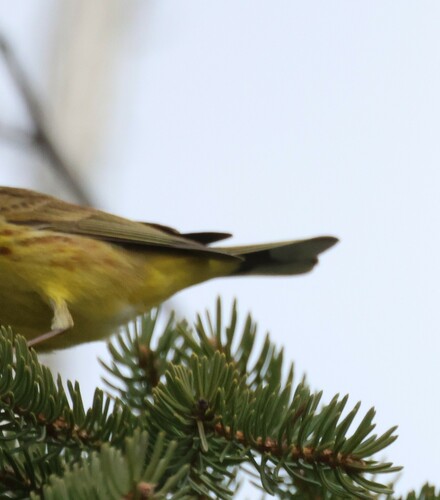 mariquita-de-barrete-castanho
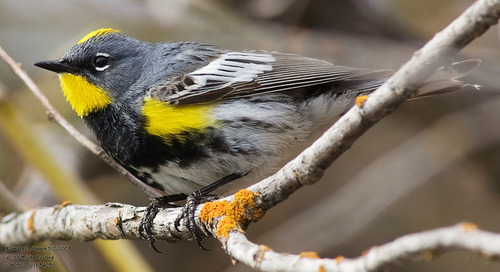 mariquita-coroada
Em resumo
A marca de campo mais confiável para separar a mariquita-de-barrete-castanho da mariquita-coroada é o constante movimento de cauda da mariquita-de-barrete-castanho, que é quase único entre as mariquitas e ausente na mariquita-coroada. Em plumagem, a mariquita-coroada sempre exibe uma mancha de rabo amarelo brilhante (o 'rabo de manteiga'), enquanto a mariquita-de-barrete-castanho não possui isso, mas frequentemente mostra amarelo sob a cauda e nas coberturas da cauda. Ambas as espécies podem ser listradas e acastanhadas em plumagem não reprodutiva ou imatura, mas a mariquita-de-barrete-castanho é mais propensa a ser vista forrageando no chão e tem um dorso mais uniforme e sem listras. A mariquita-coroada é mais robusta, com um corpo mais grosso e asas mais longas, e é muito mais provável de ser vista em árvores ou pegando insetos de poleiros. As vocalizações diferem, mas são menos confiáveis do que o comportamento e a plumagem em rápidas observações de campo.
Dicas de identificação
- Movimento de cauda: A mariquita-de-barrete-castanho balança sua cauda constantemente, tanto quando empoleirada quanto forrageando; a mariquita-coroada não faz isso. Esta é a marca comportamental mais confiável em todas as plumagens e estações.
- Mancha de rabo amarelo: A mariquita-coroada sempre mostra um rabo amarelo brilhante, visível em voo e frequentemente quando empoleirada. A mariquita-de-barrete-castanho não possui essa característica. Funciona para todas as idades e sexos.
- Coberturas da cauda amarelas: A mariquita-de-barrete-castanho mostra coberturas da cauda amarelas e frequentemente amarelo na parte inferior do abdômen e no ventre, especialmente na subespécie oriental. A mariquita-coroada tem coberturas da cauda brancas.
- Comportamento de forrageio: A mariquita-de-barrete-castanho é geralmente vista andando ou pulando no chão, frequentemente em áreas abertas. A mariquita-coroada é mais arbórea, tipicamente forrageando em árvores ou arbustos e menos frequentemente no chão.
- Capa e face: Em plumagem reprodutiva, a mariquita-de-barrete-castanho tem uma capa ruiva e um rosto liso com uma sobrancelha pálida; a mariquita-coroada tem uma cabeça cinza (macho) ou marrom (fêmea), com uma garganta branca e bochechas escuras (Myrtle) ou garganta amarela (Audubon's).
- Listras e cor do dorso: A mariquita-coroada (especialmente os machos) tem um dorso cinza ou azul-ardósia com listras pretas em plumagem reprodutiva; a mariquita-de-barrete-castanho é mais uniformemente acastanhada-oliva acima, com menos contraste. Fêmeas e imaturos de ambas são mais apagados, mas a mariquita-coroada ainda mostra algumas listras e o rabo amarelo.
- Manchas nos flancos e na coroa: A mariquita-coroada mostra manchas amarelas nos flancos e na coroa (embora estas possam ser fracas em imaturos/fêmeas); a mariquita-de-barrete-castanho pode mostrar amarelo nas partes inferiores, mas não nessas manchas discretas.
- Variação sazonal: No outono e inverno, ambas as espécies tornam-se mais apagadas, mas as marcas comportamentais e de rabo/cobertura permanecem confiáveis. As mariquitas-de-barrete-castanho ocidentais são especialmente apagadas, mas ainda carecem do rabo amarelo e mostram movimento de cauda.
- Tamanho e estrutura: A mariquita-coroada é ligeiramente maior e mais robusta, com um corpo mais grosso e asas mais longas. A mariquita-de-barrete-castanho é mais esbelta e mais delicada, mas a sobreposição de tamanho é considerável.
- Voz: A canção da mariquita-de-barrete-castanho é um trinado zumbido; a da mariquita-coroada é um trinado mais claro e musical. Os chamados são semelhantes e nem sempre confiáveis para separação.
- Contexto de habitat: A mariquita-de-barrete-castanho é mais provável de ser encontrada em áreas abertas, gramadas ou arbustivas, especialmente no chão. A mariquita-coroada é mais frequentemente encontrada em árvores, especialmente durante a migração e o inverno.
- Estilo de voo: A mariquita-de-barrete-castanho frequentemente voa baixo sobre o chão entre os locais de forrageio; a mariquita-coroada é mais provável de voar para árvores ou sair de poleiros mais altos.
- Confusão de subespécies: A mariquita-de-barrete-castanho oriental (amarela) é mais brilhante por baixo, a ocidental (marrom) é mais apagada e pode ser confundida com a mariquita-coroada apagada, mas o movimento de cauda e a falta de rabo amarelo ainda as separam.
- Bandos mistos: Ambas as espécies podem se juntar a bandos mistos de mariquitas, mas seu comportamento e altura de forrageio geralmente as delatam.
- Armadilhas: Cuidado com as mariquitas-coroadas apagadas do primeiro ano que carecem de um padrão facial forte; sempre verifique a presença do rabo amarelo e o movimento de cauda antes de fazer a identificação.
Tamanho
A mariquita-coroada é ligeiramente maior em média: 12–15 cm de comprimento e 11–14 g de peso, com uma envergadura de 19–24 cm. A mariquita-de-barrete-castanho é um pouco menor e mais leve: 12–14 cm de comprimento, 8.5–14.2 g, e uma envergadura de 20–21 cm. No campo, a mariquita-coroada frequentemente parece mais robusta e sólida, enquanto a mariquita-de-barrete-castanho parece mais esbelta e delicada. No entanto, a sobreposição de tamanho é considerável, então isso é apenas uma pista secundária.
Plumagem
As mariquitas-coroadas juvenis e não reprodutivas podem parecer bastante apagadas e marrons, às vezes se assemelhando às mariquitas-de-barrete-castanho em tom geral. No entanto, a mariquita-coroada sempre mostra uma mancha de rabo amarelo distinta (visível em voo e frequentemente quando empoleirada), e em todas as plumagens tem algum amarelo nos flancos e na coroa (embora isso possa ser fraco em imaturos e fêmeas). A mariquita-de-barrete-castanho não possui o rabo amarelo, mas geralmente mostra coberturas da cauda amarelas e, na subespécie oriental, partes inferiores amarelas brilhantes com listras ruivas. As mariquitas-de-barrete-castanho ocidentais são mais apagadas por baixo, mas ainda carecem do rabo amarelo. Em plumagem reprodutiva, os machos da mariquita-coroada têm um dorso cinza ou azul-ardósia com listras pretas e uma garganta branca (Myrtle) ou garganta amarela (Audubon's), enquanto a mariquita-de-barrete-castanho tem uma capa ruiva e partes superiores mais uniformemente acastanhadas-oliva. Fêmeas e imaturos de ambas as espécies são mais apagados, mas as marcas do rabo e da cauda permanecem confiáveis. Nenhum padrão de asa específico por idade é notado para qualquer uma das espécies nestas fontes.
Comportamento
A mariquita-de-barrete-castanho é única entre as mariquitas pelo seu constante movimento de cauda, tanto quando empoleirada quanto enquanto forrageia. Ela também passa muito mais tempo no chão, andando ou pulando enquanto procura por insetos, e pode ocasionalmente sair para pegar presas em voo. A mariquita-coroada é mais arbórea e versátil, frequentemente vista flutuando através da folhagem, pegando insetos de poleiros ou forrageando em uma variedade de habitats, mas não balança sua cauda. Ambas as espécies podem se juntar a bandos mistos, mas seu estilo de forrageio e postura são bastante diferentes.
Habitat
A mariquita-de-barrete-castanho prefere áreas abertas, especialmente pântanos, bordas e campos arbustivos, e frequentemente é encontrada no chão ou perto dele. Durante a migração e o inverno, pode ser encontrada em uma variedade de habitats abertos, incluindo campos gramados, terrenos com ervas daninhas e áreas costeiras. A mariquita-coroada é muito mais versátil em habitat, nidificando em florestas coníferas ou mistas e invernando em uma ampla gama de ambientes, desde bosques e parques até arbustos costeiros e até ambientes urbanos. Na migração, a mariquita-coroada é muito mais provável de ser encontrada em árvores ou vegetação mais alta, enquanto a mariquita-de-barrete-castanho permanece mais próxima do chão.
Voz
A canção da mariquita-de-barrete-castanho é um trinado monótono e zumbido, e seu chamado é um 'chek' agudo. A canção da mariquita-coroada é um trinado semelhante com 4–7 sílabas (tyew-tyew-tyew-tyew, tew-tew-tew) e uma nota de chamado ou chip. Ambas têm chamados bastante simples, mas a canção da mariquita-de-barrete-castanho é mais mecânica e menos musical do que a da mariquita-coroada. Os chamados são semelhantes e podem ser confusos no campo.
mariquita-de-barrete-castanho · mariquita-coroada · Minhas aves difíceis