

Motmot

ヤシアメリカムシクイ 対 キヅタアメリカムシクイ

Setophaga palmarum 対 Setophaga coronata

ヤシアメリカムシクイとキヅタアメリカムシクイのクイズ
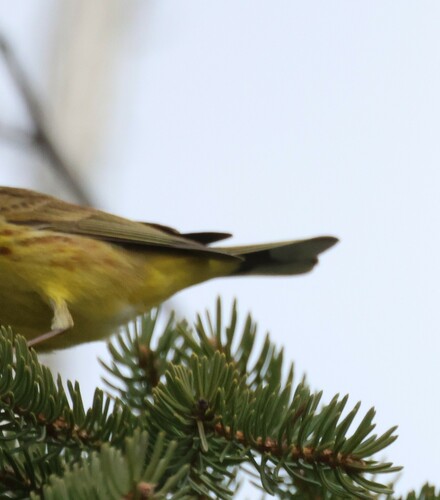
ヤシアメリカムシクイ (Setophaga palmarum) ヤシアメリカムシクイ
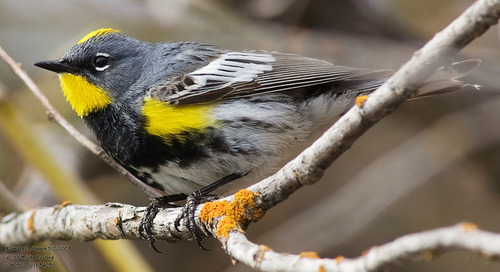
キヅタアメリカムシクイ (Setophaga coronata) キヅタアメリカムシクイ

メディア

読み込み中…

要点

ヤシアメリカムシクイとキヅタアメリカムシクイを区別する最も信頼できるフィールドマークは、ヤシアメリカムシクイの常に動く尾であり、これはムシクイの中ではほぼ独特で、キヅタアメリカムシクイには見られません。羽毛において、キヅタアメリカムシクイは常に明るい黄色の尾羽の斑点(「バター・バット」)を示しますが、ヤシアメリカムシクイはこれを欠き、しばしば尾の下や尾羽の覆いに黄色を示します。両種は繁殖期外や未成熟の羽毛では縞模様があり、茶色がかることがありますが、ヤシアメリカムシクイは地面で採餌しているのが見られる可能性が高く、より均一で縞模様のない背中を持っています。キヅタアメリカムシクイは体が大きく、ずんぐりした体型と長い翼を持ち、木の中や止まり木からの捕食で見られる可能性が高いです。声の違いはありますが、行動や羽毛に比べてフィールドでの迅速な観察では信頼性が低いです。

識別のコツ

  1. Tail bobbing: ヤシアメリカムシクイは常に尾を動かし、止まっている時や採餌している時もそうです;キヅタアメリカムシクイはそうではありません。これはすべての羽毛と季節において最も信頼できる行動マークです。
  2. Yellow rump patch: キヅタアメリカムシクイは常に明るい黄色の尾羽を示し、飛行中や止まっている時に見えます。ヤシアメリカムシクイはこの特徴を完全に欠いています。すべての年齢と性別に適用されます。
  3. Yellow undertail coverts: ヤシアメリカムシクイは黄色の尾羽の覆いを示し、特に東部亜種では下腹部や肛門周辺にも黄色が見られることが多いです。キヅタアメリカムシクイは白い尾羽の覆いを持っています。
  4. Foraging behavior: ヤシアメリカムシクイは通常、開けた場所で地面を歩いたり跳ねたりしているのが見られます。キヅタアメリカムシクイはより樹上性で、通常は木や低木で採餌し、地面で見られることは少ないです。
  5. Cap and face: 繁殖羽毛では、ヤシアメリカムシクイは赤褐色の帽子と淡い眉毛のある平坦な顔を持っています;キヅタアメリカムシクイは灰色(オス)または茶色(メス)の頭を持ち、白い喉と暗い頬(マートル)または黄色い喉(オーデュボン)があります。
  6. Streaking and back color: キヅタアメリカムシクイ(特にオス)は繁殖羽毛で灰色またはスレートブルーの背中に黒い縞模様があります;ヤシアメリカムシクイは上面がより均一な茶色がかったオリーブ色で、コントラストが少ないです。両種のメスと未成熟個体は鈍いですが、キヅタアメリカムシクイはまだいくつかの縞模様と黄色の尾羽を示します。
  7. Flank and crown patches: キヅタアメリカムシクイは側面と頭頂に黄色の斑点を示します(ただし、これらは未成熟やメスでは薄い場合があります);ヤシアメリカムシクイは下部に黄色を示すことがありますが、これらの明確な斑点ではありません。
  8. Seasonal variation: 秋と冬には、両種ともに鈍い色合いになりますが、行動や尾羽/尾羽のマークは信頼性があります。西部のヤシアメリカムシクイは特に鈍いですが、依然として黄色の尾羽を欠き、尾を動かします。
  9. Size and structure: キヅタアメリカムシクイはわずかに大きく、ずんぐりした体型で、より太い体と長い翼を持っています。ヤシアメリカムシクイはスリムでより繊細ですが、サイズの重なりはかなりあります。
  10. Voice: ヤシアメリカムシクイの歌はバズ音のトリルです;キヅタアメリカムシクイの歌はより明確で音楽的なトリルです。呼び声は似ており、分離のために常に信頼できるわけではありません。
  11. Habitat context: ヤシアメリカムシクイは開けた草地や低木のある場所、特に地面にいることが多いです。キヅタアメリカムシクイは木の中にいることが多く、特に移動や冬の間にそうです。
  12. Flight style: ヤシアメリカムシクイは採餌スポットの間を地面の上を低く飛ぶことが多いです;キヅタアメリカムシクイは木の中に飛び上がったり、高い止まり木から飛び出すことが多いです。
  13. Subspecies confusion: 東部(黄色)ヤシアメリカムシクイは下部が明るく、西部(茶色)は鈍く、鈍いキヅタアメリカムシクイと混同されることがありますが、尾の動きと黄色の尾羽の欠如がそれらを区別します。
  14. Mixed flocks: 両種は混合ムシクイの群れに加わることがありますが、彼らの行動や採餌の高さは通常彼らを見分ける手助けになります。
  15. Pitfalls: 強い顔のパターンが欠如した鈍い初年度のキヅタアメリカムシクイに注意してください;常に黄色の尾羽と尾の動きを確認してから判断してください。

大きさ

キヅタアメリカムシクイは平均してわずかに大きく、長さは12〜15 cm、体重は11〜14 g、翼幅は19〜24 cmです。ヤシアメリカムシクイは少し小さく、軽い:長さは12〜14 cm、体重は8.5〜14.2 g、翼幅は20〜21 cmです。フィールドでは、キヅタアメリカムシクイはしばしばずんぐりしていて頑丈に見え、ヤシアメリカムシクイはスリムでより繊細に見えます。しかし、サイズの重なりはかなりあるため、これは二次的な手がかりに過ぎません。

羽色

未熟なキヅタアメリカムシクイや非繁殖期のキヅタアメリカムシクイは、かなり鈍く茶色がかって見えることがあり、全体的なトーンでヤシアメリカムシクイに似ることがあります。しかし、キヅタアメリカムシクイは常に明確な黄色の尾羽の斑点を示し(飛行中や止まっている時に見えます)、すべての羽毛において側面と頭頂にいくつかの黄色があります(ただし、これは未熟やメスでは薄い場合があります)。ヤシアメリカムシクイは黄色の尾羽を欠いていますが、通常は黄色の尾羽の覆いを示し、東部亜種では赤褐色の縞模様のある明るい黄色の下部を持っています。西部のヤシアメリカムシクイは下部が鈍いですが、依然として黄色の尾羽を欠いています。繁殖羽毛では、オスのキヅタアメリカムシクイは灰色またはスレートブルーの背中に黒い縞模様があり、白い喉(マートル)または黄色い喉(オーデュボン)を持っていますが、ヤシアメリカムシクイは赤褐色の帽子とより均一な茶色がかったオリーブ色の上面を持っています。両種のメスと未成熟個体は鈍いですが、尾羽と尾のマークは信頼性があります。これらの情報源では、どちらの種にも特定の年齢に特有の上翼パターンは記載されていません。

行動

ヤシアメリカムシクイは、止まっている時や採餌している時に常に尾を動かすことで、ムシクイの中で独特です。また、昆虫を探すために地面で歩いたり跳ねたりする時間がはるかに多く、時折飛び出して飛んでいる獲物を捕まえることもあります。キヅタアメリカムシクイはより樹上性で多才であり、しばしば葉の間を飛び回ったり、止まり木から捕食したり、さまざまな生息地で採餌しているのが見られますが、尾を動かすことはありません。両種は混合群れに加わることがありますが、彼らの採餌スタイルと姿勢はかなり異なります。

生息環境

ヤシアメリカムシクイは開けた場所、特に湿地、エッジ、低木のある野原を好み、しばしば地面の上または近くに見られます。移動や冬の間には、草地、雑草の生えた土地、沿岸地域など、さまざまな開けた生息地で見られます。キヅタアメリカムシクイは生息地においてはるかに多才で、針葉樹林や混合林で繁殖し、森林や公園から沿岸の低木、さらには都市環境まで幅広い環境で越冬します。移動中、キヅタアメリカムシクイは木や高い植生の中に見つかる可能性が高いのに対し、ヤシアメリカムシクイは地面に近くに留まります。

声

ヤシアメリカムシクイの歌は単調でバズ音のトリルであり、その呼び声は鋭い「チェック」です。キヅタアメリカムシクイは4〜7音節のトリルのような歌(ティユーティユーティユーティュー、テューテューテュー)とチェックまたはチップの呼び声を持っています。両者はかなりシンプルな呼び声を持っていますが、ヤシアメリカムシクイの歌はより機械的で音楽的ではありません。呼び声は似ており、フィールドで混乱を招くことがあります。

より良い説明を送る

比較と同じ項目を使ってください。文章はすぐに公開されます。

The most reliable field mark to separate Palm Warbler from Yellow-rumped Warbler is the Palm Warbler's constant tail bobbing, which is nearly unique among warblers and absent in Yellow-rumped. In plumage, Yellow-rumped Warbler always shows a bright yellow rump patch (the 'butter butt'), while Palm Warbler lacks this but often shows yellow under the tail and on the undertail coverts. Both species can be streaky and brownish in non-breeding or immature plumage, but Palm Warbler is more likely to be seen foraging on the ground and has a more uniform, unstreaked back. Yellow-rumped Warbler is bulkier, with a chunkier body and longer wings, and is much more likely to be seen in trees or flycatching from perches. Vocalizations differ, but are less reliable than behavior and plumage in quick field views.

  1. Tail bobbing: Palm Warbler bobs its tail constantly, both when perched and foraging; Yellow-rumped Warbler does not. This is the single most reliable behavioral mark in all plumages and seasons.
  2. Yellow rump patch: Yellow-rumped Warbler always shows a bright yellow rump, visible in flight and often when perched. Palm Warbler lacks this feature entirely. Works for all ages and sexes.
  3. Yellow undertail coverts: Palm Warbler shows yellow undertail coverts and often yellow on the lower belly and vent, especially in the eastern subspecies. Yellow-rumped Warbler has white undertail coverts.
  4. Foraging behavior: Palm Warbler is usually seen walking or hopping on the ground, often in open areas. Yellow-rumped Warbler is more arboreal, typically foraging in trees or shrubs and less often on the ground.
  5. Cap and face: In breeding plumage, Palm Warbler has a rufous cap and a plain face with a pale eyebrow; Yellow-rumped Warbler has a gray (male) or brown (female) head, with a white throat and dark cheek (Myrtle) or yellow throat (Audubon's).
  6. Streaking and back color: Yellow-rumped Warbler (especially males) has a gray or slate-blue back with black streaks in breeding plumage; Palm Warbler is more uniformly brownish-olive above, with less contrast. Females and immatures of both are duller, but Yellow-rumped still shows some streaking and the yellow rump.
  7. Flank and crown patches: Yellow-rumped Warbler shows yellow patches on the flanks and crown (though these may be faint in immatures/females); Palm Warbler may show yellow on the underparts but not in these discrete patches.
  8. Seasonal variation: In fall and winter, both species become drabber, but the behavioral and rump/undertail marks remain reliable. Western Palm Warblers are especially dull, but still lack the yellow rump and show tail bobbing.
  9. Size and structure: Yellow-rumped Warbler is slightly larger and bulkier, with a chunkier body and longer wings. Palm Warbler is slimmer and more delicate, but size overlap is considerable.
  10. Voice: Palm Warbler's song is a buzzy trill; Yellow-rumped's is a clearer, musical trill. Calls are similar and not always reliable for separation.
  11. Habitat context: Palm Warbler is more likely in open, grassy, or shrubby areas, especially on the ground. Yellow-rumped is more often in trees, especially during migration and winter.
  12. Flight style: Palm Warbler often flies low over the ground between foraging spots; Yellow-rumped Warbler is more likely to fly up into trees or sally out from higher perches.
  13. Subspecies confusion: Eastern (yellow) Palm Warbler is brighter below, western (brown) is duller and can be confused with drab Yellow-rumped, but tail bobbing and lack of yellow rump still separate them.
  14. Mixed flocks: Both species may join mixed warbler flocks, but their behavior and foraging height will usually give them away.
  15. Pitfalls: Beware of dull, first-year Yellow-rumped Warblers lacking strong face pattern; always check for the yellow rump and tail bobbing before making the call.

Yellow-rumped Warbler is slightly larger on average: 12–15 cm in length and 11–14 g in weight, with a wingspan of 19–24 cm. Palm Warbler is a bit smaller and lighter: 12–14 cm long, 8.5–14.2 g, and a wingspan of 20–21 cm. In the field, Yellow-rumped often appears bulkier and more robust, while Palm Warbler looks slimmer and more delicate. However, size overlap is considerable, so this is only a secondary clue.

Juvenile and non-breeding Yellow-rumped Warblers can appear quite drab and brown, sometimes resembling Palm Warblers in overall tone. However, Yellow-rumped always shows a distinct yellow rump patch (visible in flight and often when perched), and in all plumages has some yellow on the flanks and crown (though this can be faint in immatures and females). Palm Warbler lacks the yellow rump but usually shows yellow undertail coverts and, in the eastern subspecies, bright yellow underparts with rufous streaking. Western Palm Warblers are duller below but still lack the yellow rump. In breeding plumage, male Yellow-rumped Warblers have a gray or slate-blue back with black streaks and a white throat (Myrtle) or yellow throat (Audubon's), while Palm Warbler has a rufous cap and more uniform brownish-olive upperparts. Females and immatures of both species are duller, but the rump and tail marks remain reliable. No distinctive age-specific upperwing pattern is noted for either species in these sources.

Palm Warbler is unique among warblers for its constant tail bobbing, both when perched and while foraging. It also spends much more time on the ground, walking or hopping as it searches for insects, and may occasionally sally out to catch flying prey. Yellow-rumped Warbler is more arboreal and versatile, often seen flitting through foliage, flycatching from perches, or foraging in a variety of habitats, but it does not bob its tail. Both species may join mixed flocks, but their foraging style and posture are quite different.

Palm Warbler prefers open areas, especially bogs, edges, and shrubby fields, and is often found on or near the ground. During migration and winter, it can be found in a range of open habitats, including grassy fields, weedy lots, and coastal areas. Yellow-rumped Warbler is much more versatile in habitat, breeding in coniferous or mixed forests and wintering in a wide array of environments, from woodlands and parks to coastal scrub and even urban settings. In migration, Yellow-rumped is much more likely to be found in trees or higher vegetation, while Palm Warbler sticks closer to the ground.

Palm Warbler's song is a monotonous, buzzy trill, and its call is a sharp 'chek.' Yellow-rumped Warbler has a trill-like song of 4–7 syllables (tyew-tyew-tyew-tyew, tew-tew-tew) and a check or chip call note. Both have fairly simple calls, but the Palm Warbler's song is more mechanical and less musical than the Yellow-rumped's. Calls are similar and can be confusing in the field.

変更を破棄しますか?

保存していない編集があります。今離れると失われます。

ヤシアメリカムシクイ · キヅタアメリカムシクイ · 苦手な鳥