

Palm Warbler vs Yellow-rumped Warbler
Setophaga palmarum contro Setophaga coronata
Fai un quiz con Palm Warbler e Yellow-rumped Warbler
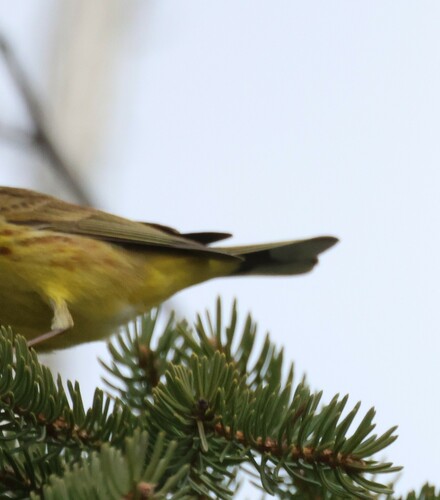 Palm Warbler
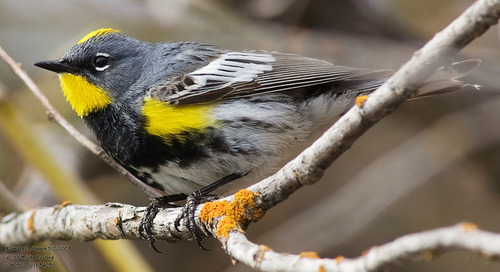 Yellow-rumped Warbler
In breve
Il segno di campo più affidabile per separare il Palm Warbler dal Yellow-rumped Warbler è il costante movimento della coda del Palm Warbler, che è quasi unico tra i warbler ed è assente nel Yellow-rumped. Nel piumaggio, il Yellow-rumped Warbler mostra sempre una brillante macchia gialla sulla coda (il 'butter butt'), mentre il Palm Warbler ne è privo ma spesso mostra giallo sotto la coda e sulle copritrici della coda. Entrambe le specie possono essere striate e marroni nel piumaggio non riproduttivo o immaturo, ma il Palm Warbler è più probabile che venga visto cercare cibo a terra e ha un dorso più uniforme e non striato. Il Yellow-rumped Warbler è più robusto, con un corpo più massiccio e ali più lunghe, ed è molto più probabile che venga visto sugli alberi o mentre cattura insetti da posatoi. Le vocalizzazioni differiscono, ma sono meno affidabili rispetto al comportamento e al piumaggio in rapide osservazioni sul campo.
Consigli di identificazione
- Movimento della coda: Il Palm Warbler muove costantemente la coda, sia quando è posato che mentre cerca cibo; il Yellow-rumped Warbler non lo fa. Questo è il segno comportamentale più affidabile in tutti i piumaggi e stagioni.
- Macchia gialla sulla coda: Il Yellow-rumped Warbler mostra sempre una brillante macchia gialla sulla coda, visibile in volo e spesso quando è posato. Il Palm Warbler è completamente privo di questa caratteristica. Funziona per tutte le età e sessi.
- Copritrici della coda gialle: Il Palm Warbler mostra copritrici della coda gialle e spesso giallo sulla pancia inferiore e sul ventre, specialmente nella sottospecie orientale. Il Yellow-rumped Warbler ha copritrici della coda bianche.
- Comportamento di ricerca del cibo: Il Palm Warbler viene solitamente visto camminare o saltellare a terra, spesso in aree aperte. Il Yellow-rumped Warbler è più arboricolo, tipicamente cerca cibo sugli alberi o nei cespugli e meno spesso a terra.
- Cappello e faccia: Nel piumaggio riproduttivo, il Palm Warbler ha un cappello rufous e una faccia semplice con un sopracciglio chiaro; il Yellow-rumped Warbler ha una testa grigia (maschio) o marrone (femmina), con una gola bianca e guancia scura (Myrtle) o gola gialla (Audubon's).
- Striature e colore del dorso: Il Yellow-rumped Warbler (soprattutto i maschi) ha un dorso grigio o blu ardesia con striature nere nel piumaggio riproduttivo; il Palm Warbler è più uniformemente marrone-oliva sopra, con meno contrasto. Le femmine e gli immaturi di entrambe le specie sono più opachi, ma il Yellow-rumped mostra ancora alcune striature e la macchia gialla sulla coda.
- Macchie sui fianchi e sulla corona: Il Yellow-rumped Warbler mostra macchie gialle sui fianchi e sulla corona (anche se queste possono essere deboli negli immaturi/femmine); il Palm Warbler può mostrare giallo sulle parti inferiori ma non in queste macchie discrete.
- Variazione stagionale: In autunno e inverno, entrambe le specie diventano più opache, ma i segni comportamentali e sulla coda/ripostiglio rimangono affidabili. I Palm Warbler occidentali sono particolarmente opachi, ma mancano ancora della macchia gialla sulla coda e mostrano il movimento della coda.
- Dimensioni e struttura: Il Yellow-rumped Warbler è leggermente più grande e massiccio, con un corpo più robusto e ali più lunghe. Il Palm Warbler è più snello e delicato, ma la sovrapposizione delle dimensioni è considerevole.
- Voce: Il canto del Palm Warbler è un trill ronzante; quello del Yellow-rumped è un trill più chiaro e musicale. I richiami sono simili e non sempre affidabili per la separazione.
- Contesto dell'habitat: Il Palm Warbler è più probabile che si trovi in aree aperte, erbose o cespugliose, specialmente a terra. Il Yellow-rumped è più spesso sugli alberi, specialmente durante la migrazione e l'inverno.
- Stile di volo: Il Palm Warbler spesso vola basso sopra il terreno tra i punti di ricerca del cibo; il Yellow-rumped Warbler è più probabile che voli in alto sugli alberi o esca da posatoi più alti.
- Confusione tra sottospecie: Il Palm Warbler orientale (giallo) è più brillante sotto, il western (marrone) è più opaco e può essere confuso con il giallo opaco, ma il movimento della coda e l'assenza di macchia gialla sulla coda li separano ancora.
- Fagotti misti: Entrambe le specie possono unirsi a fagotti misti di warbler, ma il loro comportamento e l'altezza di ricerca del cibo di solito li tradiranno.
- Trappole: Fai attenzione ai gialli opachi di prima anno di Yellow-rumped Warblers privi di un forte schema facciale; controlla sempre per la macchia gialla sulla coda e il movimento della coda prima di fare la chiamata.
Taglia
Il Yellow-rumped Warbler è leggermente più grande in media: 12–15 cm di lunghezza e 11–14 g di peso, con un'apertura alare di 19–24 cm. Il Palm Warbler è un po' più piccolo e leggero: 12–14 cm di lunghezza, 8.5–14.2 g, e un'apertura alare di 20–21 cm. Sul campo, il Yellow-rumped appare spesso più massiccio e robusto, mentre il Palm Warbler sembra più snello e delicato. Tuttavia, la sovrapposizione delle dimensioni è considerevole, quindi questo è solo un indizio secondario.
Piumaggio
I giovani e i Yellow-rumped Warblers non riproduttivi possono apparire piuttosto opachi e marroni, a volte somigliando ai Palm Warblers nel tono generale. Tuttavia, il Yellow-rumped mostra sempre una distinta macchia gialla sulla coda (visibile in volo e spesso quando è posato), e in tutti i piumaggi ha un po' di giallo sui fianchi e sulla corona (anche se questo può essere debole negli immaturi e nelle femmine). Il Palm Warbler manca della macchia gialla sulla coda ma di solito mostra copritrici della coda gialle e, nella sottospecie orientale, parti inferiori gialle brillanti con striature rufous. I Palm Warbler occidentali sono più opachi sotto ma mancano ancora della macchia gialla sulla coda. Nel piumaggio riproduttivo, i maschi di Yellow-rumped Warbler hanno un dorso grigio o blu ardesia con striature nere e una gola bianca (Myrtle) o gola gialla (Audubon's), mentre il Palm Warbler ha un cappello rufous e parti superiori marrone-oliva più uniformi. Le femmine e gli immaturi di entrambe le specie sono più opachi, ma i segni sulla coda e sulla coda rimangono affidabili. Non è stato notato alcun modello distintivo specifico per l'età per l'ala superiore di entrambe le specie in queste fonti.
Comportamento
Il Palm Warbler è unico tra i warbler per il suo costante movimento della coda, sia quando è posato che mentre cerca cibo. Trascorre anche molto più tempo a terra, camminando o saltellando mentre cerca insetti, e può occasionalmente uscire per catturare prede volanti. Il Yellow-rumped Warbler è più arboricolo e versatile, spesso visto muoversi tra il fogliame, catturando insetti da posatoi o cercando cibo in una varietà di habitat, ma non muove la coda. Entrambe le specie possono unirsi a fagotti misti, ma il loro stile di ricerca del cibo e la postura sono piuttosto diversi.
Habitat
Il Palm Warbler preferisce aree aperte, specialmente paludi, bordi e campi cespugliosi, ed è spesso trovato a terra o vicino al suolo. Durante la migrazione e l'inverno, può essere trovato in una gamma di habitat aperti, tra cui campi erbosi, lotti infestati e aree costiere. Il Yellow-rumped Warbler è molto più versatile nell'habitat, nidificando in foreste conifere o miste e svernando in una vasta gamma di ambienti, da boschi e parchi a cespugli costieri e persino ambienti urbani. Durante la migrazione, il Yellow-rumped è molto più probabile che venga trovato sugli alberi o in vegetazione più alta, mentre il Palm Warbler rimane più vicino al suolo.
Voce
Il canto del Palm Warbler è un trill monotono e ronzante, e il suo richiamo è un 'chek' acuto. Il Yellow-rumped Warbler ha un canto simile a un trill di 4–7 sillabe (tyew-tyew-tyew-tyew, tew-tew-tew) e un richiamo o nota di chip. Entrambi hanno richiami piuttosto semplici, ma il canto del Palm Warbler è più meccanico e meno musicale rispetto a quello del Yellow-rumped. I richiami sono simili e possono essere confusi sul campo.
Palm Warbler · Yellow-rumped Warbler · I miei uccelli difficili