

cigarrinha-de-pallas vs pleske's grasshopper warbler
Helopsaltes certhiola versus Helopsaltes pleskei
Jogue um quiz com cigarrinha-de-pallas e pleske's grasshopper warbler
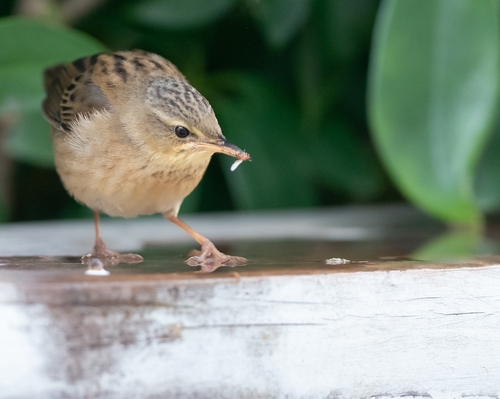 cigarrinha-de-pallas
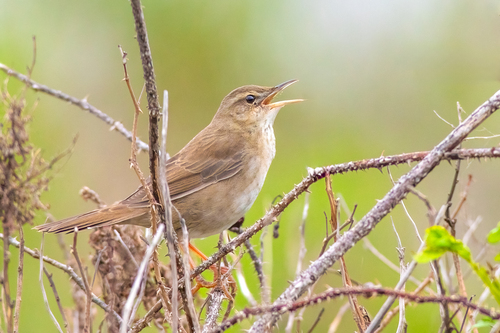 pleske's grasshopper warbler
Em resumo
A marca de campo mais confiável para separar a cigarrinha-de-pallas da pleske's grasshopper warbler é a presença de pontas brancas na cauda e penas tertiais na cigarrinha-de-pallas, que estão ausentes na pleske's. A cigarrinha-de-pallas também apresenta um dorso marrom mais quente e é ligeiramente maior no geral. Ambas as espécies são extremamente furtivas e difíceis de ver, mas a cigarrinha-de-pallas é mais propensa a mostrar essas pontas de penas brancas quando assustada ou em um breve voo. A voz também é útil: a cigarrinha-de-pallas tem uma canção mais melódica, semelhante a Acrocephalus, enquanto a canção da pleske's é menos bem descrita, mas não corresponde à canção distinta da cigarrinha-de-pallas. A sobreposição de habitat pode ocorrer, mas a pleske's tende a favorecer áreas mais arbustivas e pantanosas.
Dicas de identificação
- Pontas brancas na cauda e tertiais (apenas cigarrinha-de-pallas): Procure por pontas brancas nítidas na cauda e penas tertiais, especialmente em voo ou quando o pássaro balança a cauda. Esta é a marca de campo mais confiável para todas as idades.
- Cor do dorso: A cigarrinha-de-pallas apresenta um dorso marrom enferrujado mais quente, que pode ser visto em boas visões ou quando o pássaro é assustado. O dorso da pleske's é menos quente, aparecendo um marrom mais simples.
- Parte inferior juvenil: Os jovens da cigarrinha-de-pallas são mais amarelados na parte inferior, enquanto os juvenis da pleske's não são descritos assim. Isso pode ajudar no final do verão ou outono.
- Tamanho geral: A cigarrinha-de-pallas é ligeiramente maior e mais robusta, mas isso é sutil e não deve ser usado isoladamente.
- Listras nas costas: Ambas as espécies têm costas listradas de marrom, então isso não é útil para separação.
- Partes inferiores: Ambas têm partes inferiores pálidas e sem listras, exceto por algumas listras na parte inferior da cigarrinha-de-pallas. Use com cautela.
- Canção: A cigarrinha-de-pallas tem uma canção melódica, semelhante a Acrocephalus, ao contrário da canção menos distinta da pleske's. Se você ouvir um warbler melodioso, incline-se para a cigarrinha-de-pallas.
- Habitat: Se encontrado em arbustos densos ou pântano, considere a pleske's; em pastagens ou folhagem baixa mais seca, a cigarrinha-de-pallas é mais provável, mas a sobreposição é significativa.
- Comportamento: Ambas são extremamente furtivas, mas a cigarrinha-de-pallas pode se mostrar mais quando canta. Fique atento a breves visões de voo para capturar as pontas brancas da cauda.
- Sexo: Os sexos são semelhantes em ambas as espécies; não use para identificação.
- Bico e estrutura: Nenhuma diferença confiável é descrita entre essas duas espécies na forma do bico ou fórmula das asas.
- Visões de voo: Priorize as pontas brancas da cauda e tertiais na cigarrinha-de-pallas durante breves assustos ou quando o pássaro está ativo.
- Estação: Ambas as espécies podem ocorrer na mesma região durante a migração; use plumagem e canção em vez da data para separação.
- Armadilhas: Não confunda as pontas brancas da cauda da cigarrinha-de-pallas com desgaste ou efeitos de iluminação; elas são geralmente bastante distintas quando vistas bem.
- Contexto: Se você estiver no sul da China no inverno, a pleske's é mais provável; mais ao sul ou a leste, considere a cigarrinha-de-pallas, mas sempre confirme com a plumagem.
Tamanho
A cigarrinha-de-pallas é ligeiramente maior que a pleske's grasshopper warbler, embora a diferença seja sutil e nem sempre aparente em campo. Ambas são de tamanho médio da família Locustellidae, mas a cigarrinha-de-pallas é notada por ser um pouco mais robusta e longa, o que pode ser perceptível se vistas lado a lado ou com experiência. No entanto, o tamanho sozinho não é uma marca de campo confiável devido à sobreposição e à dificuldade de comparação direta em campo. [wikipedia]
Plumagem
As pontas brancas na cauda e penas tertiais são uma característica chave da cigarrinha-de-pallas de todas as idades, incluindo juvenis e adultos, e são especialmente visíveis quando o pássaro está em voo ou balança a cauda. Essa característica está ausente na pleske's. A cigarrinha-de-pallas também tem um dorso marrom mais quente, que pode ser uma marca útil se o pássaro for visto bem enquanto se move pela grama ou quando é assustado. Ambas as espécies têm costas listradas de marrom e partes inferiores sem listras, mas os jovens da cigarrinha-de-pallas são mais amarelados na parte inferior. A pleske's não tem as pontas brancas das penas e tem um dorso menos quente, fazendo-a parecer mais simples no geral. As partes inferiores de ambas as espécies são geralmente pálidas e sem listras, exceto por algumas listras na parte inferior da cigarrinha-de-pallas. Os sexos são semelhantes em ambas as espécies, então o sexo não ajuda na identificação.
Comportamento
Ambas as espécies são extremamente furtivas e secretivas, tipicamente se movendo por grama densa e folhagem baixa, e raramente são vistas, exceto quando cantam ou ocasionalmente quando são assustadas. A cigarrinha-de-pallas pode ser ligeiramente mais propensa a se mostrar quando canta, mas ambas são desafiadoras de observar bem. As visões de voo são frequentemente breves, mas a cigarrinha-de-pallas é mais propensa a revelar suas pontas brancas da cauda e tertiais nesses momentos. O comportamento de forrageamento é semelhante, com ambas as espécies se alimentando de insetos baixos na vegetação.
Habitat
Ambas as espécies se reproduzem em regiões sobrepostas do leste da Sibéria, Coreia e partes do nordeste da China, mas a pleske's grasshopper warbler está mais associada a arbustos temperados, arbustos secos subtropicais ou tropicais e pântanos. A cigarrinha-de-pallas é encontrada em uma gama mais ampla de habitats de pastagens e arbustos baixos, incluindo áreas mais secas. No inverno, a cigarrinha-de-pallas se estende mais ao sul e a leste (Índia a Indonésia), enquanto a pleske's inverna no sul da China. O habitat sozinho não é diagnóstico devido à sobreposição, mas a pleske's é mais provável em áreas arbustivas ou pantanosas.
Voz
A cigarrinha-de-pallas tem uma canção melódica distinta e inventiva, semelhante a Acrocephalus, que é bastante diferente do som mecânico e semelhante a insetos de algumas outras cigarrinhas. A canção da pleske's é menos bem descrita, mas não corresponde à qualidade melódica da cigarrinha-de-pallas. Se você ouvir um warbler Locustella com uma canção mais complexa e melodiosa, a cigarrinha-de-pallas é mais provável; uma canção menos distinta ou desconhecida pode indicar a pleske's, mas cautela é necessária.
cigarrinha-de-pallas · pleske's grasshopper warbler · Minhas aves difíceis