

Motmot

シベリアセンニュウ 対 ウチヤマセンニュウ

Helopsaltes certhiola 対 Helopsaltes pleskei

シベリアセンニュウとウチヤマセンニュウのクイズ
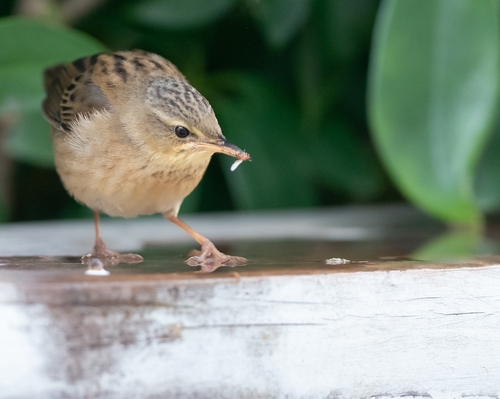
シベリアセンニュウ (Helopsaltes certhiola) シベリアセンニュウ
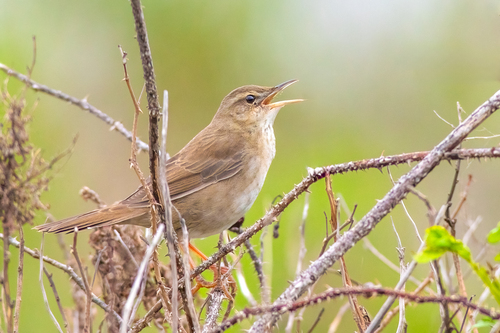
ウチヤマセンニュウ (Helopsaltes pleskei) ウチヤマセンニュウ

メディア

読み込み中…

要点

シベリアセンニュウとウチヤマセンニュウを区別するための最も信頼できるフィールドマークは、Pallas'sに見られる尾と三次羽の白い先端の存在であり、Pleske'sにはありません。Pallas'sはまた、より暖かい茶色の臀部を示し、全体的にわずかに大きいです。両種は非常に隠れやすく、見るのが難しいですが、Pallas'sは追い立てられたり短い飛行中にこれらの白い羽の先端を示す可能性が高いです。声も役立ちます:Pallas'sはよりメロディックで、Acrocephalusのような歌を持ち、Pleske'sはあまりよく説明されていませんが、特徴的なPallas'sの歌には合いません。生息地の重複は発生する可能性がありますが、Pleske'sはより茂みや湿地帯を好む傾向があります。

識別のコツ

  1. 尾と三次羽の白い先端(Pallas'sのみ): 尾と三次羽の羽毛に鮮明な白い先端を探してください。特に飛行中や鳥が尾を振るときに見られます。これはすべての年齢に対して最も信頼できるフィールドマークです。
  2. 臀部の色: Pallas'sはより暖かい、錆びた茶色の臀部を示し、良い視界で見られるか、鳥が追い立てられたときに見ることができます。Pleske'sの臀部はそれほど暖かくなく、より平凡な茶色に見えます。
  3. 幼鳥の腹部: 若いPallas'sは下側がより黄色いですが、Pleske'sの幼鳥はそのようには説明されていません。これは夏の終わりや秋に役立つかもしれません。
  4. 全体のサイズ: Pallas'sはわずかに大きく、がっしりしていますが、これは微妙であり、単独で使用すべきではありません。
  5. 背中の縞模様: 両種は縞模様のある茶色の背中を持っているため、これは区別には役立ちません。
  6. 腹部: 両方とも淡い、縞模様のない腹部を持っていますが、Pallas'sの尾羽の下にはいくつかの縞模様があります。注意して使用してください。
  7. 歌: Pallas'sはメロディックで、Acrocephalusのような歌を持っており、Pleske'sのあまり特徴的でない歌とは異なります。もしメロディックなウグイスの声を聞いたら、Pallas'sに傾いてください。
  8. 生息地: 密な茂みや湿地で見つかった場合はPleske'sを考慮してください。草地や乾燥した低木の中ではPallas'sの可能性が高いですが、重複は重要です。
  9. 行動: 両方とも非常に隠れやすいですが、Pallas'sは歌っているときに自らを示す可能性が高いです。白い尾の先端を捉えるために短い飛行の視界を注意深く見てください。
  10. 性別: 両種の性別は似ているため、IDには使用しないでください。
  11. くちばしと構造: これら2種の間でくちばしの形や翼の構造に関する信頼できる違いは説明されていません。
  12. 飛行の視界: 短い追い立てや鳥が活発なときにPallas'sの白い尾と三次羽の先端を優先してください。
  13. 季節: 両種は移動中に同じ地域に出現する可能性があるため、日付ではなく羽毛と歌を使用して区別してください。
  14. 落とし穴: Pallas'sの白い尾の先端を摩耗や照明効果と混同しないでください。よく見れば通常は非常に明確です。
  15. 文脈: 冬に南中国にいる場合、Pleske'sの可能性が高いです。さらに南または東ではPallas'sを考慮してくださいが、常に羽毛で確認してください。

大きさ

シベリアセンニュウはウチヤマセンニュウよりわずかに大きいですが、その違いは微妙で、フィールドでは常に明らかではありません。両方とも中型のLocustellidaeですが、Pallas'sはややがっしりしていて長いとされており、並べて見たり経験があれば気づくかもしれません。しかし、サイズだけでは重複やフィールドでの直接比較の難しさから信頼できるフィールドマークにはなりません。[wikipedia]

羽色

尾と三次羽の白い先端は、幼鳥と成鳥を含むすべての年齢のシベリアセンニュウの重要な特徴であり、特に鳥が飛んでいるときや尾を振っているときに目立ちます。この特徴はPleske'sには欠けています。Pallas'sはまた、より暖かい茶色の臀部を持ち、草の中を這い回るときや追い立てられたときに良く見えるマークになります。両種は縞模様のある茶色の背中と縞模様のない腹部を持っていますが、Pallas'sの若い鳥は下側がより黄色いです。Pleske'sは白い羽の先端がなく、暖かみの少ない臀部を持ち、全体的に平凡に見えます。両種の腹部は一般的に淡く、縞模様がないですが、Pallas'sの尾羽の下にはいくつかの縞模様があります。両種の性別は似ているため、性別は識別には役立ちません。

行動

両種は非常に隠れやすく、秘密主義的であり、通常は密な草や低木の中を這い回り、歌っているときや時折追い立てられたとき以外はほとんど見られません。Pallas'sは歌っているときに自らを示す可能性がわずかに高いですが、両方ともよく観察するのは難しいです。飛行の視界はしばしば短いですが、Pallas'sはこれらの瞬間に白い尾と三次羽の先端を明らかにする可能性が高いです。採餌行動は似ており、両種は低い植生の中で昆虫を食べています。

生息環境

両種は東シベリア、韓国、そして中国北東部の一部で重複する地域で繁殖しますが、ウチヤマセンニュウは温帯の低木林、亜熱帯または熱帯の乾燥低木林、湿地により密接に関連しています。シベリアセンニュウは、乾燥した地域を含むより広範な草地や低木の生息地で見られます。冬には、Pallas'sはさらに南と東(インドからインドネシア)に分布し、Pleske'sは南中国で冬を越します。生息地だけでは重複のため診断的ではありませんが、Pleske'sは茂みや湿地の部分で見られる可能性が高いです。

声

シベリアセンニュウは、他のいくつかの草虫ウグイスの機械的で昆虫のようなリールとはかなり異なる、独特で創造的なAcrocephalusのようなメロディックな歌を持っています。Pleske'sの歌はあまりよく説明されていませんが、Pallas'sのメロディックな質には合いません。もしより複雑でメロディックな歌を持つLocustellaのウグイスを聞いたら、Pallas'sの可能性が高いです。あまり特徴的でない、または未知の歌はPleske'sを示すかもしれませんが、注意が必要です。

より良い説明を送る

比較と同じ項目を使ってください。文章はすぐに公開されます。

The most reliable field mark for separating Pallas's Grasshopper Warbler from Pleske's Grasshopper Warbler is the presence of white tips to the tail and tertial feathers in Pallas's, which are absent in Pleske's. Pallas's also shows a warmer brown rump and is slightly larger overall. Both species are extremely skulking and difficult to see, but Pallas's is more likely to show these white feather tips when flushed or in brief flight. Voice is also helpful: Pallas's has a more melodic, Acrocephalus-like song, while Pleske's is less well described but does not match the distinctive Pallas's song. Habitat overlap can occur, but Pleske's tends to favor more shrubby and swampy areas.

  1. White tips to tail and tertials (Pallas's only): Look for crisp white tips on the tail and tertial feathers, especially in flight or when the bird flicks its tail. This is the most reliable field mark for all ages.
  2. Rump color: Pallas's shows a warmer, rusty-brown rump, which can be seen in good views or when the bird is flushed. Pleske's rump is less warm, appearing plainer brown.
  3. Juvenile underparts: Young Pallas's are yellower below, while Pleske's juveniles are not described as such. This may help in late summer or autumn.
  4. Overall size: Pallas's is slightly larger and bulkier, but this is subtle and should not be used in isolation.
  5. Back streaking: Both species have streaked brown backs, so this is not helpful for separation.
  6. Underparts: Both have pale, unstreaked underparts except for some streaking on the undertail of Pallas's. Use with caution.
  7. Song: Pallas's has a melodic, Acrocephalus-like song, unlike the less distinctive song of Pleske's. If you hear a tuneful warbler, lean toward Pallas's.
  8. Habitat: If found in dense shrub or swamp, consider Pleske's; in grassland or drier low foliage, Pallas's is more likely, but overlap is significant.
  9. Behavior: Both are extremely skulking, but Pallas's may show itself more when singing. Watch for brief flight views to catch the white tail tips.
  10. Sex: Sexes are alike in both species; do not use for ID.
  11. Bill and structure: No reliable differences are described between these two species in bill shape or wing formula.
  12. Flight views: Prioritize the white tail and tertial tips in Pallas's during brief flushes or when the bird is active.
  13. Season: Both species can occur in the same region during migration; use plumage and song rather than date for separation.
  14. Pitfalls: Do not confuse the white tail tips of Pallas's with wear or lighting effects; they are usually quite distinct when seen well.
  15. Context: If you are in South China in winter, Pleske's is more likely; further south or east, consider Pallas's, but always confirm with plumage.

Pallas's Grasshopper Warbler is slightly larger than Pleske's Grasshopper Warbler, though the difference is subtle and not always apparent in the field. Both are medium-sized Locustellidae, but Pallas's is noted as being a bit bulkier and longer, which may be noticeable if seen side by side or with experience. However, size alone is not a reliable field mark due to overlap and the difficulty of direct comparison in the field. [wikipedia]

The white tips to the tail and tertial feathers are a key feature of Pallas's Grasshopper Warbler of all ages, including juveniles and adults, and are especially visible when the bird is in flight or flicking its tail. This feature is lacking in Pleske's. Pallas's also has a warmer brown rump, which can be a useful mark if the bird is seen well as it creeps through grass or when flushed. Both species have streaked brown backs and unstreaked underparts, but Pallas's young birds are yellower below. Pleske's lacks the white feather tips and has a less warm-toned rump, making it appear plainer overall. The underparts of both species are generally pale and unstreaked except for some streaking on the undertail of Pallas's. Sexes are alike in both species, so sex does not help with identification.

Both species are extremely skulking and secretive, typically creeping through dense grass and low foliage, and are rarely seen except when singing or occasionally when flushed. Pallas's may be slightly more likely to show itself when singing, but both are challenging to observe well. Flight views are often brief, but Pallas's is more likely to reveal its white tail and tertial tips in these moments. Foraging behavior is similar, with both species feeding on insects low in vegetation.

Both species breed in overlapping regions of eastern Siberia, Korea, and parts of northeastern China, but Pleske's Grasshopper Warbler is more closely associated with temperate shrubland, subtropical or tropical dry shrubland, and swamps. Pallas's Grasshopper Warbler is found in a broader range of grassland and low shrub habitats, including drier areas. In winter, Pallas's ranges further south and east (India to Indonesia), while Pleske's winters in South China. Habitat alone is not diagnostic due to overlap, but Pleske's is more likely in shrubby or swampy patches.

Pallas's Grasshopper Warbler has a distinctive, inventive, Acrocephalus-like melodic song, which is quite different from the mechanical, insect-like reeling of some other grasshopper warblers. Pleske's song is less well described but does not match the melodic quality of Pallas's. If you hear a Locustella warbler with a more complex, tuneful song, Pallas's is more likely; a less distinctive or unknown song may indicate Pleske's, but caution is needed.

変更を破棄しますか?

保存していない編集があります。今離れると失われます。

シベリアセンニュウ · ウチヤマセンニュウ · 苦手な鳥