

Pallas's Grasshopper Warbler vs Pleske's Grasshopper Warbler
Helopsaltes certhiola contro Helopsaltes pleskei
Fai un quiz con Pallas's Grasshopper Warbler e Pleske's Grasshopper Warbler
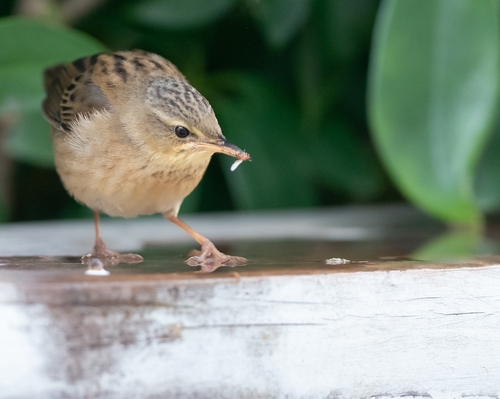 Pallas's Grasshopper Warbler
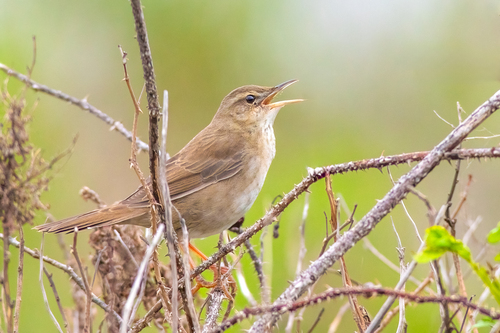 Pleske's Grasshopper Warbler
In breve
Il segno di campo più affidabile per separare il Pallas's Grasshopper Warbler dal Pleske's Grasshopper Warbler è la presenza di punte bianche sulla coda e sulle penne terziali nel Pallas's, che sono assenti nel Pleske's. Il Pallas's mostra anche un dorso marrone più caldo ed è leggermente più grande nel complesso. Entrambe le specie sono estremamente schive e difficili da vedere, ma il Pallas's è più propenso a mostrare queste punte bianche quando viene disturbato o in volo breve. La voce è anche utile: il Pallas's ha un canto più melodico, simile a quello di Acrocephalus, mentre il canto del Pleske's è meno ben descritto ma non corrisponde al canto distintivo del Pallas's. Può verificarsi sovrapposizione degli habitat, ma il Pleske's tende a preferire aree più cespugliose e paludose.
Consigli di identificazione
- Punte bianche sulla coda e sulle terziali (solo Pallas's): Cerca punte bianche nette sulla coda e sulle penne terziali, specialmente in volo o quando l'uccello muove la coda. Questo è il segno di campo più affidabile per tutte le età.
- Colore del dorso: Il Pallas's mostra un dorso marrone ruggine più caldo, che può essere visto in buone visuali o quando l'uccello viene disturbato. Il dorso del Pleske's è meno caldo, apparendo di un marrone più semplice.
- Parte inferiore giovanile: I giovani Pallas's sono più gialli sotto, mentre i giovani Pleske's non sono descritti in questo modo. Questo può aiutare a fine estate o autunno.
- Dimensioni complessive: Il Pallas's è leggermente più grande e robusto, ma questa è una differenza sottile e non dovrebbe essere usata in isolamento.
- Striature sulla schiena: Entrambe le specie hanno schiene striate di marrone, quindi questo non è utile per la separazione.
- Parte inferiore: Entrambi hanno parti inferiori chiare e non striate, tranne per alcune striature sulla parte inferiore del Pallas's. Usare con cautela.
- Canto: Il Pallas's ha un canto melodico, simile a quello di Acrocephalus, a differenza del canto meno distintivo del Pleske's. Se senti un warbler melodioso, inclina verso il Pallas's.
- Habitat: Se trovato in cespugli densi o paludi, considera il Pleske's; in prati o fogliame secco, il Pallas's è più probabile, ma la sovrapposizione è significativa.
- Comportamento: Entrambi sono estremamente schivi, ma il Pallas's potrebbe mostrarsi di più quando canta. Fai attenzione a visuali di volo brevi per catturare le punte bianche della coda.
- Sesso: I sessi sono simili in entrambe le specie; non usarli per l'identificazione.
- Becco e struttura: Non sono descritte differenze affidabili tra queste due specie nella forma del becco o nella formula delle ali.
- Visuali di volo: Dai priorità alle punte bianche della coda e delle terziali nel Pallas's durante i brevi disturbi o quando l'uccello è attivo.
- Stagione: Entrambe le specie possono verificarsi nella stessa regione durante la migrazione; usa il piumaggio e il canto piuttosto che la data per la separazione.
- Trappole: Non confondere le punte bianche della coda del Pallas's con usura o effetti di illuminazione; di solito sono abbastanza distintive quando viste bene.
- Contesto: Se ti trovi nel sud della Cina in inverno, il Pleske's è più probabile; più a sud o a est, considera il Pallas's, ma conferma sempre con il piumaggio.
Taglia
Il Pallas's Grasshopper Warbler è leggermente più grande del Pleske's Grasshopper Warbler, anche se la differenza è sottile e non sempre evidente sul campo. Entrambi sono di dimensioni medie della famiglia Locustellidae, ma il Pallas's è noto per essere un po' più robusto e lungo, il che può essere evidente se visti fianco a fianco o con esperienza. Tuttavia, la dimensione da sola non è un segno di campo affidabile a causa della sovrapposizione e della difficoltà di confronto diretto sul campo. [wikipedia]
Piumaggio
Le punte bianche sulla coda e sulle penne terziali sono una caratteristica chiave del Pallas's Grasshopper Warbler di tutte le età, compresi i giovani e gli adulti, e sono particolarmente visibili quando l'uccello è in volo o muove la coda. Questa caratteristica manca nel Pleske's. Il Pallas's ha anche un dorso marrone più caldo, che può essere un segno utile se l'uccello è visto bene mentre si muove nell'erba o quando viene disturbato. Entrambe le specie hanno schiene striate di marrone e parti inferiori non striate, ma i giovani Pallas's sono più gialli sotto. Il Pleske's manca delle punte bianche delle penne e ha un dorso meno caldo, rendendolo complessivamente più semplice. Le parti inferiori di entrambe le specie sono generalmente chiare e non striate, tranne per alcune striature sulla parte inferiore del Pallas's. I sessi sono simili in entrambe le specie, quindi il sesso non aiuta con l'identificazione.
Comportamento
Entrambe le specie sono estremamente schive e segrete, tipicamente strisciando attraverso erba densa e fogliame basso, e sono raramente viste tranne quando cantano o occasionalmente quando vengono disturbate. Il Pallas's potrebbe essere leggermente più propenso a mostrarsi quando canta, ma entrambe sono difficili da osservare bene. Le visuali di volo sono spesso brevi, ma il Pallas's è più probabile che riveli la sua coda bianca e le punte terziali in questi momenti. Il comportamento di foraggiamento è simile, con entrambe le specie che si nutrono di insetti a bassa vegetazione.
Habitat
Entrambe le specie nidificano in regioni sovrapposte dell'est della Siberia, della Corea e di parti della Cina nordorientale, ma il Pleske's Grasshopper Warbler è più strettamente associato a cespugli temperati, cespugli secchi subtropicali o tropicali e paludi. Il Pallas's Grasshopper Warbler si trova in una gamma più ampia di habitat di prati e cespugli bassi, comprese le aree più secche. In inverno, il Pallas's si sposta più a sud e a est (dall'India all'Indonesia), mentre il Pleske's trascorre l'inverno nel sud della Cina. L'habitat da solo non è diagnostico a causa della sovrapposizione, ma il Pleske's è più probabile in aree cespugliose o paludose.
Voce
Il Pallas's Grasshopper Warbler ha un canto distintivo, inventivo e melodico simile a quello di Acrocephalus, che è molto diverso dal richiamo meccanico e simile a un insetto di alcuni altri warbler. Il canto del Pleske's è meno ben descritto ma non corrisponde alla qualità melodica del Pallas's. Se senti un warbler Locustella con un canto più complesso e melodioso, è più probabile che sia un Pallas's; un canto meno distintivo o sconosciuto può indicare il Pleske's, ma è necessaria cautela.
Pallas's Grasshopper Warbler · Pleske's Grasshopper Warbler · I miei uccelli difficili