

tarambola-dourada-siberiana vs sombria-de-pescoço-cinzento
Pluvialis fulva versus Emberiza buchanani
Jogue um quiz com tarambola-dourada-siberiana e sombria-de-pescoço-cinzento
 tarambola-dourada-siberiana
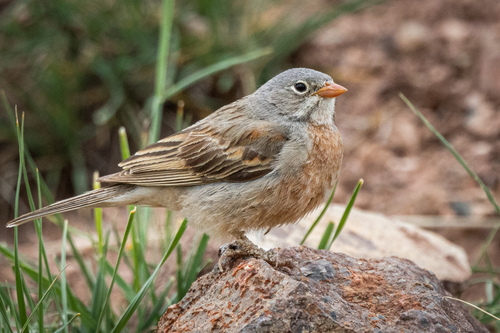 sombria-de-pescoço-cinzento
Em resumo
A maneira mais confiável de separar a tarambola-dourada-siberiana da sombria-de-pescoço-cinzento é pela estrutura geral e forma do bico: a tarambola é uma ave de praia robusta, de pernas longas, com um bico curto e preto, enquanto a sombria é um pequeno pássaro cantor esbelto, com um bico longo e rosado. Em voo ou em repouso, as partes superiores da tarambola, salpicadas de ouro, e, em plumagem de reprodução, seu impressionante rosto e partes inferiores em preto e branco são únicos; a sombria é muito mais simples, com uma capuz cinza, anel ocular branco e partes inferiores rosadas. Tarambolas juvenis e não reprodutivas perdem o preto ousado, mas permanecem salpicadas de ouro acima, nunca mostrando a cabeça cinza ou as penas externas da cauda brancas da sombria. O contexto do habitat também é uma forte pista: tarambolas estão tipicamente em campos abertos ou margens, sombrias em colinas secas e arbustivas ou campos infestados de ervas.
Dicas de identificação
- Tamanho e Estrutura: A tarambola-dourada-siberiana é muito maior e mais pesada que a sombria-de-pescoço-cinzento. Se o pássaro parecer robusto, com pernas longas e um bico curto, pense em tarambola; se pequeno, esbelto e empoleirado verticalmente, pense em sombria. Isso se aplica a todas as idades e estações.
- Forma e Cor do Bico: A tarambola tem um bico curto, reto e preto; a sombria tem um bico longo, cônico e rosado. A cor do bico é especialmente útil em distâncias curtas ou em boa luz.
- Comprimento e Cor das Pernas: A tarambola apresenta pernas longas, de cinza a preto, frequentemente óbvias mesmo à distância. As pernas da sombria são muito mais curtas e menos conspícuas.
- Salpicos Dourados: Qualquer parte superior salpicada de ouro (costas, asas, coroa) aponta para a tarambola-dourada-siberiana, independentemente da idade ou estação. A sombria nunca é salpicada de ouro.
- Padrão do Rosto: Em plumagem de reprodução, o macho da tarambola tem um rosto e pescoço pretos contornados por branco; a fêmea é semelhante, mas menos distinta. A sombria sempre tem um capuz cinza e um anel ocular branco, nunca um rosto preto ou borda branca.
- Partes Inferiores: A tarambola reprodutiva tem partes inferiores pretas; a tarambola não reprodutiva e juvenil são pálidas por baixo. A sombria é marrom rosado por baixo, nunca preta.
- Anel Ocular Branco: A sombria-de-pescoço-cinzento sempre apresenta um claro anel ocular branco, especialmente nos machos. A tarambola nunca mostra um anel ocular branco.
- Padrão da Cauda: A sombria tem penas externas da cauda esbranquiçadas, que podem brilhar em voo ou quando agitadas. A cauda da tarambola é escura, nunca mostrando branco.
- Silhueta de Voo: A tarambola voa com asas longas e pontudas e um corpo reto e esticado; a sombria tem asas mais curtas e arredondadas e uma forma compacta, semelhante a um pardal.
- Empoleiramento vs. Forrageamento no Solo: A sombria frequentemente se empoleira em arbustos ou fios; a tarambola está quase sempre no chão.
- Contexto do Habitat: Jardins abertos, tundra ou margens sugerem tarambola; colinas secas e arbustivas ou campos infestados de ervas sugerem sombria.
- Tamanho do Bando: A sombria geralmente está em pequenos bandos; a tarambola pode ser solitária ou em pequenos grupos, raramente em grandes bandos longe da migração.
- Voz: Uma canção metálica e tilintante ou nota de 'clique' é da sombria; a tarambola é geralmente silenciosa em áreas não reprodutivas.
- Plumagem Sazonal: Em março-abril, as tarambolas podem mostrar muda parcial com preto e ouro manchado; as sombrias não mostram tais mudanças.
- Diferenças de Sexo: A fêmea da tarambola em plumagem de reprodução tem menos preto extenso que o macho, mas ambos os sexos são salpicados de ouro; a fêmea da sombria é mais apagada, mas ainda mostra o capuz cinza e o anel ocular branco.
Tamanho
A tarambola-dourada-siberiana é muito maior e mais pesada (massa adulta ~135 g [wikidata]) que a sombria-de-pescoço-cinzento (sem massa dada, mas as sombrias típicas de Emberiza pesam ~20–30 g). A tarambola é uma ave de praia de tamanho médio, com uma constituição robusta, pernas longas e um bico relativamente curto. A sombria é um pequeno pássaro cantor esbelto, com um bico delicado, longo e cônico e pernas mais curtas. Em comparação direta, a tarambola parecerá mais volumosa e de pernas mais longas, com uma postura mais horizontal, enquanto a sombria é pequena e empoleira-se verticalmente.
Plumagem
- Juvenil/Não Reprodutiva: A tarambola-dourada-siberiana (todas as idades fora da reprodução) mostra partes superiores salpicadas de ouro, um rosto simples e partes inferiores pálidas, sem qualquer capuz cinza ou anel ocular branco. A sombria-de-pescoço-cinzento (todas as idades) nunca é salpicada de ouro; em vez disso, é acinzentada acima, com um capuz cinza distinto, anel ocular branco e partes inferiores rosadas. As penas externas da cauda da sombria são esbranquiçadas, uma característica que nunca é mostrada pela tarambola.
- Adulto Reprodutivo: O macho da tarambola-dourada-siberiana é ousadamente padronizado com rosto, pescoço e partes inferiores pretas contornadas por branco, e partes superiores salpicadas de ouro. A fêmea é semelhante, mas com menos preto extenso. O macho da sombria-de-pescoço-cinzento tem um capuz cinza, anel ocular branco e partes inferiores marrom rosado, sem qualquer preto ou ouro; a fêmea é mais apagada, mas ainda mostra a faixa bigoduda e a cauda externa branca.
- Voo: Nenhum padrão distinto de asa superior ou cauda é descrito para nenhuma das espécies nessas fontes, mas as penas externas da cauda da sombria podem brilhar em voo, enquanto a tarambola mostra asas superiores escuras uniformes com salpicos de ouro e sem branco na cauda.
Comportamento
A tarambola-dourada-siberiana geralmente forrageia correndo e parando em áreas abertas, frequentemente sozinha ou em pequenos grupos, e é cautelosa e alerta. Ela se mantém ereta em pernas longas e pode ser vista sondando ou pegando o chão. A sombria-de-pescoço-cinzento é geralmente encontrada em pequenos bandos, empoleirando-se em arbustos ou forrageando no chão de maneira mais saltitante, semelhante a um pardal. A sombria frequentemente canta de um poleiro, enquanto a tarambola é em sua maioria silenciosa longe dos locais de reprodução.
Habitat
A tarambola-dourada-siberiana prefere espaços abertos com vegetação baixa, incluindo tundra, campos, pastagens e, às vezes, margens, mas na migração e inverno frequentemente se alimenta longe da água. No Havai, adapta-se a gramados, parques e até telhados. A sombria-de-pescoço-cinzento prefere colinas secas, pedregosas ou arbustivas, campos infestados de ervas e pastagens, geralmente longe da água. Ver um pássaro em um gramado bem cuidado ou tundra aberta sugere tarambola; em arbustos espinhosos ou campo infestado de ervas, a sombria é mais provável.
Voz
A tarambola-dourada-siberiana é geralmente silenciosa durante a migração e em áreas de invernada; nenhuma chamada distinta é descrita nessas notas. A sombria-de-pescoço-cinzento emite uma nota curta e suave de 'clique' no inverno e, na época de reprodução, uma canção metálica e tilintante de 'swee-swee...dzwe-ee-dul' de um poleiro. Se você ouvir uma canção metálica, semelhante à de um pardal, é a sombria.
tarambola-dourada-siberiana · sombria-de-pescoço-cinzento · Minhas aves difíceis