

Motmot

ムナグロ 対 イワバホオジロ

Pluvialis fulva 対 Emberiza buchanani

ムナグロとイワバホオジロのクイズ

ムナグロ (Pluvialis fulva) ムナグロ
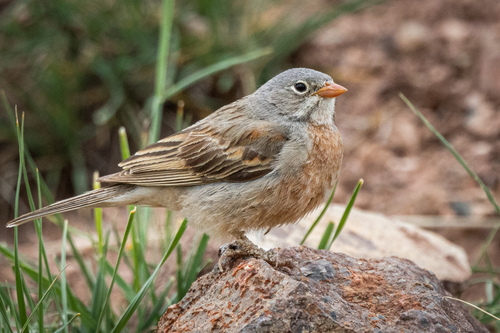
イワバホオジロ (Emberiza buchanani) イワバホオジロ

メディア

読み込み中…

要点

ムナグロとイワバホオジロを区別する最も信頼できる方法は、全体的な構造とくちばしの形状によるものです。ムナグロは頑丈で長い脚を持つ shorebird で、短い黒いくちばしを持っています。一方、イワバホオジロは小さく、細長い歌鳥で、長いピンクがかったくちばしを持っています。飛んでいる時や休んでいる時、ムナグロの金色の斑点のある上面と繁殖羽衣の際の目を引く黒と白の顔と腹部は独特です。イワバホオジロはずっと地味で、灰色のフード、白いアイリング、ピンクがかった腹部を持っています。幼鳥や非繁殖期のムナグロは、はっきりした黒を失いますが、上面は金色の斑点が残り、イワバホオジロの灰色の頭や白い外尾羽を示すことはありません。生息地の文脈も強い手がかりです。ムナグロは通常、開けた野原や海岸にいますが、イワバホオジロは乾燥した茂みのある丘や雑草の生えた野原にいます。

識別のコツ

  1. Size and Structure: ムナグロはイワバホオジロよりもはるかに大きく重いです。鳥が頑丈で、長い脚と短いくちばしを持っている場合はムナグロを考え、小さく、細身で、直立して止まっている場合はイワバホオジロを考えてください。これはすべての年齢と季節に当てはまります。
  2. Bill Shape and Color: ムナグロは短く、まっすぐで黒いくちばしを持ち、イワバホオジロは長く、円錐形でピンクがかったくちばしを持っています。くちばしの色は、特に近距離や良い光の下で役立ちます。
  3. Leg Length and Color: ムナグロは長い灰色から黒の脚を示し、遠くからでも明らかです。イワバホオジロの脚ははるかに短く、目立ちません。
  4. Gold Spangling: どんな金色の斑点のある上面(背中、翼、頭頂)はムナグロを指し示します。年齢や季節に関係なく、イワバホオジロは決して金色の斑点を持ちません。
  5. Face Pattern: 繁殖羽衣の際、オスのムナグロは白で縁取られた黒い顔と首を持ち、メスは似ていますが、あまりはっきりしていません。イワバホオジロは常に灰色のフードと白いアイリングを持ち、黒い顔や白い縁はありません。
  6. Underparts: 繁殖期のムナグロは黒い腹部を持ち、非繁殖期や幼鳥のムナグロは下側が淡いです。イワバホオジロは下側がピンクがかった茶色で、決して黒ではありません。
  7. White Eye-ring: イワバホオジロは常に明確な白いアイリングを示し、特にオスにおいて顕著です。ムナグロは白いアイリングを示しません。
  8. Tail Pattern: イワバホオジロは白っぽい外尾羽を持ち、飛んでいる時やひらひらさせる時にそれが目立つことがあります。ムナグロの尾は暗く、白を示すことはありません。
  9. Flight Silhouette: ムナグロは長く尖った翼とまっすぐで伸びた体で飛び、イワバホオジロは短く、より丸みを帯びた翼とコンパクトでスズメのような形を持っています。
  10. Perching vs. Ground Foraging: イワバホオジロはしばしば低木やワイヤーに止まりますが、ムナグロはほぼ常に地面にいます。
  11. Habitat Context: 開けた芝生、ツンドラ、または海岸はムナグロを示唆し、乾燥した茂みのある丘や雑草の生えた野原はイワバホオジロを示唆します。
  12. Flock Size: イワバホオジロは通常小さな群れで見られますが、ムナグロは孤立しているか、小さなグループで見られ、移動から離れた大きな群れにはめったにいません。
  13. Voice: 金属的でチリンチリンとした歌や「クリック」音はイワバホオジロのものです。ムナグロは非繁殖地では一般的に静かです。
  14. Seasonal Plumage: 3月から4月にかけて、ムナグロは斑点のある黒と金色の部分的な換羽を示すことがありますが、イワバホオジロはそのような変化を示しません。
  15. Sex Differences: 繁殖羽衣のメスのムナグロはオスよりも黒が少なく、両性とも金色の斑点があります。メスのイワバホオジロは地味ですが、灰色のフードと白いアイリングを示します。

大きさ

ムナグロはイワバホオジロよりもはるかに大きく重い(成鳥の質量は約135 g [wikidata])です。ムナグロは頑丈な体型の中型の shorebird で、長い脚と比較的短いくちばしを持っています。イワバホオジロは小さく、細身の歌鳥で、繊細で長い円錐形のくちばしと短い脚を持っています。直接比較すると、ムナグロはより大きく、長い脚を持ち、より水平な姿勢に見える一方で、イワバホオジロは小柄で直立して止まります。

羽色

行動

ムナグロは通常、開けた場所で走りながら採餌し、小さなグループで、または単独で警戒しながら行動します。長い脚で高く立ち、地面をつついたり、ついばんだりする姿が見られます。イワバホオジロは通常、小さな群れで見られ、低木に止まったり、地面でより跳ねるように採餌します。イワバホオジロはしばしば止まり木から歌いますが、ムナグロは繁殖地から離れるとほとんど静かです。

生息環境

ムナグロはツンドラ、野原、牧草地、時には海岸を含む短い植生の開けた場所を好みますが、移動や冬には水から離れた場所でよく餌を取ります。ハワイでは、芝生、公園、さらには屋上にも適応します。イワバホオジロは乾燥した石の多い丘、雑草の生えた野原、草原を好み、通常は水から離れています。手入れされた芝生や開けたツンドラで鳥を見かけるとムナグロを示唆し、トゲのある茂みや雑草の生えた野原ではイワバホオジロの可能性が高くなります。

声

ムナグロは移動中や冬の生息地では一般的に静かで、これらのメモには特有の鳴き声は記載されていません。イワバホオジロは冬に短く控えめな「クリック」音を出し、繁殖期には止まり木から金属的でチリンチリンとした歌「スウィー・スウィー...ズウェー・エー・ダル」を歌います。金属的でスズメのような歌を聞いたら、それはイワバホオジロです。

より良い説明を送る

比較と同じ項目を使ってください。文章はすぐに公開されます。

The most reliable way to separate Pacific Golden Plover from Grey-necked Bunting is by overall structure and bill shape: the plover is a robust, long-legged shorebird with a short, black bill, while the bunting is a small, slender songbird with a long, pinkish bill. In flight or at rest, the plover's gold-spotted upperparts and, in breeding plumage, its striking black-and-white face and underparts are unique; the bunting is much plainer, with a grey hood, white eye-ring, and pinkish underparts. Juvenile and nonbreeding plovers lose the bold black but remain gold-spangled above, never showing the bunting's grey head or white outer tail feathers. Habitat context is also a strong clue: plovers are typically in open fields or shorelines, buntings in dry, scrubby hillsides or weedy fields.

  1. Size and Structure: Pacific Golden Plover is much larger and heavier than Grey-necked Bunting. If the bird appears robust, with long legs and a short bill, think plover; if small, slim, and perching upright, think bunting. This holds for all ages and seasons.
  2. Bill Shape and Color: Plover has a short, straight, black bill; bunting has a long, conical, pinkish bill. Bill color is especially useful at close range or in good light.
  3. Leg Length and Color: Plover shows long, gray to black legs, often obvious even at a distance. Bunting's legs are much shorter and less conspicuous.
  4. Gold Spangling: Any gold-spotted upperparts (back, wings, crown) point to Pacific Golden Plover, regardless of age or season. Bunting is never gold-spangled.
  5. Face Pattern: In breeding plumage, male plover has a black face and neck bordered with white; female is similar but less distinct. Bunting always has a grey hood and a white eye-ring, never a black face or white border.
  6. Underparts: Breeding plover has black underparts; nonbreeding and juvenile plover are pale below. Bunting is pinkish brown below, never black.
  7. White Eye-ring: Grey-necked Bunting always shows a clear white eye-ring, especially in males. Plover never shows a white eye-ring.
  8. Tail Pattern: Bunting has whitish outer tail feathers, which may flash in flight or when flicked. Plover's tail is dark, never showing white.
  9. Flight Silhouette: Plover flies with long, pointed wings and a straight, stretched-out body; bunting has shorter, more rounded wings and a compact, sparrow-like shape.
  10. Perching vs. Ground Foraging: Bunting often perches on shrubs or wires; plover is almost always on the ground.
  11. Habitat Context: Open lawns, tundra, or shorelines suggest plover; dry, scrubby hillsides or weedy fields suggest bunting.
  12. Flock Size: Bunting is usually in small flocks; plover may be solitary or in small groups, rarely in large flocks away from migration.
  13. Voice: A metallic, jingling song or 'click' note is bunting; plover is generally silent in nonbreeding areas.
  14. Seasonal Plumage: In March–April, plovers may show partial molt with patchy black and gold; buntings do not show such changes.
  15. Sex Differences: Female plover in breeding plumage has less extensive black than male, but both sexes are gold-spangled; female bunting is duller but still shows the grey hood and white eye-ring.

Pacific Golden Plover is much larger and heavier (adult mass ~135 g [wikidata]) than Grey-necked Bunting (no mass given, but typical Emberiza buntings are ~20–30 g). The plover is a medium-sized shorebird with a robust build, long legs, and a relatively short bill. The bunting is a small, slim songbird with a delicate, long, conical bill and shorter legs. In direct comparison, the plover will appear bulkier and longer-legged, with a more horizontal stance, while the bunting is petite and perches upright.

  • Juvenile/Nonbreeding: Pacific Golden Plover (all ages outside breeding) shows gold-spangled upperparts, a plain face, and pale underparts, lacking any grey hood or white eye-ring. Grey-necked Bunting (all ages) is never gold-spangled; instead, it is greyish above, with a distinctive grey hood, white eye-ring, and pinkish underparts. The bunting's outer tail feathers are whitish, a feature never shown by the plover.
  • Breeding Adult: Male Pacific Golden Plover is boldly patterned with black face, neck, and underparts bordered by white, and gold-spotted upperparts. Female is similar but with less extensive black. Grey-necked Bunting male has a grey hood, white eye-ring, and pinkish brown underparts, lacking any black or gold; female is duller but still shows the moustachial stripe and white outer tail.
  • Flight: No distinctive upperwing or tail pattern is described for either species in these sources, but the bunting's white outer tail feathers may flash in flight, while the plover shows uniform dark upperwings with gold spangling and no white in the tail.

Pacific Golden Plover typically forages by running and pausing in open areas, often alone or in small groups, and is wary and alert. It stands tall on long legs and may be seen probing or picking at the ground. Grey-necked Bunting is usually found in small flocks, perching on shrubs or foraging on the ground in a more hopping, sparrow-like manner. The bunting often sings from a perch, while the plover is mostly silent away from breeding grounds.

Pacific Golden Plover prefers open spaces with short vegetation, including tundra, fields, pastures, and sometimes shorelines, but in migration and winter often feeds well away from water. In Hawaii, it adapts to lawns, parks, and even rooftops. Grey-necked Bunting favors dry, stony, or scrubby hillsides, weedy fields, and grasslands, usually away from water. Seeing a bird in a manicured lawn or open tundra suggests plover; in thorn scrub or weedy field, bunting is more likely.

Pacific Golden Plover is generally quiet on migration and wintering grounds; no distinctive call is described in these notes. Grey-necked Bunting gives a short, subdued 'click' note in winter and, in breeding season, a metallic, jingling song of 'swee-swee...dzwe-ee-dul' from a perch. If you hear a metallic, sparrow-like song, it's the bunting.

変更を破棄しますか?

保存していない編集があります。今離れると失われます。

ムナグロ · イワバホオジロ · 苦手な鳥