

Piviere orientale vs Gray-necked Bunting
Pluvialis fulva contro Emberiza buchanani
Fai un quiz con Piviere orientale e Gray-necked Bunting
 Piviere orientale
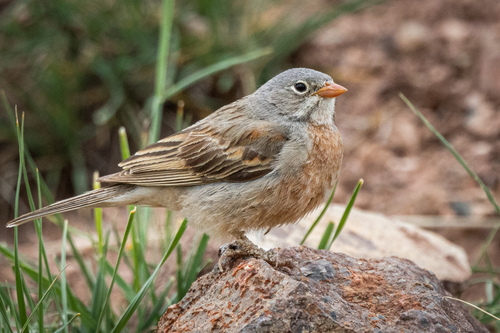 Gray-necked Bunting
In breve
Il modo più affidabile per separare il Piviere orientale dal Passero di Buchan è la struttura generale e la forma del becco: il piviere è un uccello di riva robusto e dalle lunghe gambe con un becco corto e nero, mentre il passero è un piccolo uccello canoro snello con un becco lungo e rosato. In volo o a riposo, le parti superiori macchiate d'oro del piviere e, in abito nuziale, il suo sorprendente volto e parti inferiori in bianco e nero sono unici; il passero è molto più semplice, con un cappuccio grigio, un anello oculare bianco e parti inferiori rosate. I piviere giovanili e non in riproduzione perdono il nero audace ma rimangono macchiati d'oro sopra, senza mai mostrare la testa grigia o le penne esterne della coda bianche del passero. Il contesto dell'habitat è anche un forte indizio: i pivieri si trovano tipicamente in campi aperti o lungo le coste, i passerini in colline secche e cespugliose o in campi infestati da erbacce.
Consigli di identificazione
- Dimensioni e Struttura: Il Piviere orientale è molto più grande e pesante del Passero di Buchan. Se l'uccello appare robusto, con lunghe gambe e un becco corto, pensa al piviere; se è piccolo, snello e si posa eretto, pensa al passero. Questo vale per tutte le età e stagioni.
- Forma e Colore del Becco: Il piviere ha un becco corto, dritto e nero; il passero ha un becco lungo, conico e rosato. Il colore del becco è particolarmente utile a distanza ravvicinata o in buona luce.
- Lunghezza e Colore delle Gambe: Il piviere mostra lunghe gambe grigie o nere, spesso evidenti anche da lontano. Le gambe del passero sono molto più corte e meno appariscenti.
- Macchie d'Oro: Qualsiasi parte superiore macchiata d'oro (schiena, ali, corona) indica il Piviere orientale, indipendentemente dall'età o dalla stagione. Il passero non è mai macchiato d'oro.
- Schema del Viso: In abito nuziale, il maschio del piviere ha un volto e un collo neri bordati di bianco; la femmina è simile ma meno distinta. Il passero ha sempre un cappuccio grigio e un anello oculare bianco, mai un volto nero o un bordo bianco.
- Parti Inferiori: Il piviere in riproduzione ha parti inferiori nere; il piviere non in riproduzione e giovanile sono chiari sotto. Il passero è marrone rosato sotto, mai nero.
- Anello Oculare Bianco: Il Passero di Buchan mostra sempre un chiaro anello oculare bianco, specialmente nei maschi. Il piviere non mostra mai un anello oculare bianco.
- Schema della Coda: Il passero ha penne esterne della coda bianche, che possono lampeggiare in volo o quando vengono scosse. La coda del piviere è scura, senza mai mostrare bianco.
- Silhouette in Volo: Il piviere vola con ali lunghe e appuntite e un corpo dritto e allungato; il passero ha ali più corte e arrotondate e una forma compatta simile a quella di un passero.
- Posa vs. Ricerca a Terra: Il passero spesso si posa su arbusti o fili; il piviere è quasi sempre a terra.
- Contesto dell'Habitat: Prati aperti, tundra o coste suggeriscono il piviere; colline secche e cespugliose o campi infestati da erbacce suggeriscono il passero.
- Dimensione del Branco: Il passero è solitamente in piccoli branchi; il piviere può essere solitario o in piccoli gruppi, raramente in grandi branchi lontano dalla migrazione.
- Voce: Una canzone metallica e tintinnante o una nota 'click' è del passero; il piviere è generalmente silenzioso nelle aree non di riproduzione.
- Abito Stagionale: A marzo-aprile, i pivieri possono mostrare una muta parziale con macchie nere e dorate; i passerini non mostrano tali cambiamenti.
- Differenze Sessuali: La femmina del piviere in abito nuziale ha meno nero esteso rispetto al maschio, ma entrambi i sessi sono macchiati d'oro; la femmina del passero è più opaca ma mostra ancora il cappuccio grigio e l'anello oculare bianco.
Taglia
Il Piviere orientale è molto più grande e pesante (massa adulta ~135 g [wikidata]) rispetto al Passero di Buchan (nessuna massa fornita, ma i tipici passerini Emberiza pesano ~20–30 g). Il piviere è un uccello di riva di dimensioni medie con una struttura robusta, lunghe gambe e un becco relativamente corto. Il passero è un piccolo uccello canoro snello con un becco delicato, lungo e conico e gambe più corte. In un confronto diretto, il piviere apparirà più massiccio e con gambe più lunghe, con una postura più orizzontale, mentre il passero è minuto e si posa eretto.
Piumaggio
- Giovanile/Non in Riproduzione: Il Piviere orientale (tutte le età al di fuori della riproduzione) mostra parti superiori macchiate d'oro, un volto semplice e parti inferiori chiare, senza alcun cappuccio grigio o anello oculare bianco. Il Passero di Buchan (tutte le età) non è mai macchiato d'oro; invece, è grigiastro sopra, con un distintivo cappuccio grigio, anello oculare bianco e parti inferiori rosate. Le penne esterne della coda del passero sono bianche, una caratteristica mai mostrata dal piviere.
- Adulto in Riproduzione: Il maschio del Piviere orientale è audacemente decorato con un volto, collo e parti inferiori neri bordati di bianco, e parti superiori macchiate d'oro. La femmina è simile ma con meno nero esteso. Il maschio del Passero di Buchan ha un cappuccio grigio, un anello oculare bianco e parti inferiori marrone rosato, senza alcun nero o oro; la femmina è più opaca ma mostra ancora la striscia moustachiale e la coda esterna bianca.
- Volo: Non è descritto alcun schema distintivo per l'ala superiore o la coda di nessuna delle due specie in queste fonti, ma le penne esterne della coda del passero possono lampeggiare in volo, mentre il piviere mostra ali superiori scure uniformi con macchie d'oro e nessun bianco nella coda.
Comportamento
Il Piviere orientale tipicamente cerca cibo correndo e fermandosi in aree aperte, spesso da solo o in piccoli gruppi, ed è cauto e all'erta. Si erge alto su lunghe gambe e può essere visto a frugare o beccare a terra. Il Passero di Buchan si trova solitamente in piccoli branchi, posandosi su arbusti o cercando cibo a terra in modo più saltellante, simile a un passero. Il passero spesso canta da un posatoio, mentre il piviere è per lo più silenzioso lontano dai luoghi di riproduzione.
Habitat
Il Piviere orientale preferisce spazi aperti con vegetazione bassa, inclusi tundra, campi, pascoli e talvolta coste, ma durante la migrazione e l'inverno spesso si nutre lontano dall'acqua. Alle Hawaii, si adatta a prati, parchi e persino tetti. Il Passero di Buchan favorisce colline secche, rocciose o cespugliose, campi infestati da erbacce e praterie, solitamente lontano dall'acqua. Vedere un uccello in un prato curato o in tundra aperta suggerisce il piviere; in cespugli spinosi o campi infestati da erbacce, il passero è più probabile.
Voce
Il Piviere orientale è generalmente silenzioso durante la migrazione e nei luoghi di svernamento; non è descritta alcuna chiamata distintiva in queste note. Il Passero di Buchan emette una breve nota 'click' sommessa in inverno e, durante la stagione di riproduzione, una canzone metallica e tintinnante di 'swee-swee...dzwe-ee-dul' da un posatoio. Se senti una canzone metallica simile a quella di un passero, è il passero.
Piviere orientale · Gray-necked Bunting · I miei uccelli difficili