

orange river white-eye vs southern yellow white-eye
Zosterops pallidus versus Zosterops anderssoni
Jogue um quiz com orange river white-eye e southern yellow white-eye
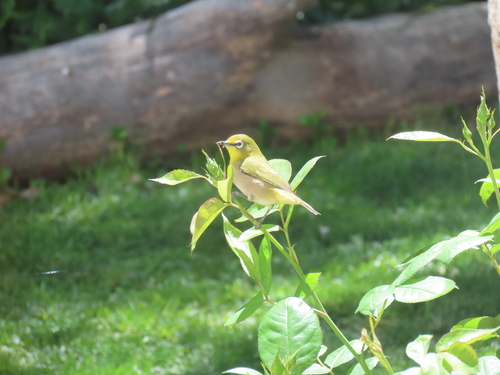 orange river white-eye
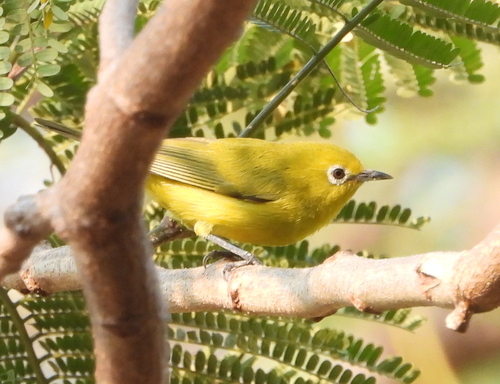 southern yellow white-eye
Em resumo
A marca de campo mais confiável para separar orange river white-eye de southern yellow white-eye é a combinação de tons de plumagem nas laterais e no peito: orange river white-eye apresenta uma distinta coloração tawny-buff aqui, enquanto southern yellow white-eye não possui essa característica. Ambas as espécies são pequenos olhos-brancos esverdeados com gargantas amarelas e anéis oculares brancos, e podem ocorrer juntas no sul da África, tornando detalhes sutis da plumagem críticos. Juvenis de orange river white-eye se assemelham aos adultos, mas são mais pálidos, e seus anéis oculares se desenvolvem após o desmame. Diferenças estruturais e vocalizações não estão documentadas como úteis para separação nas notas disponíveis, então concentre-se na cor das laterais e no tom geral ao identificar essas espécies em campo.
Dicas de identificação
- Cor das laterais e do lado: A única marca diagnóstica é a coloração tawny-buff nas laterais e no peito de orange river white-eye. Southern yellow white-eye não possui isso, apresentando uma parte inferior mais uniforme amarela-esverdeada.
- Desenvolvimento do anel ocular juvenil: Juvenis de orange river white-eye são mais pálidos que os adultos e desenvolvem seus anéis oculares brancos durante o segundo mês. Se você ver um juvenil pálido com anel ocular e laterais buffy, prefira orange river white-eye.
- Tom das partes superiores: Ambas as espécies têm partes superiores verde-oliva pálidas, mas orange river white-eye pode parecer ligeiramente mais pálido no geral, especialmente em plumagem fresca. Isso é sutil e não confiável sozinho.
- Garganta amarela e faixa supraloral: Ambas as espécies apresentam gargantas amarelas e uma faixa supraloral amarela; isso não é diagnóstico entre elas.
- Lore e partes nuas: Ambas têm lores e partes nuas pretas, então essa característica não as separa.
- Anel ocular branco: Ambas as espécies têm um anel ocular branco, que aparece em juvenis de orange river white-eye após o primeiro mês. A presença do anel ocular sozinha não é diagnóstica.
- Sexos iguais: Ambas as espécies não apresentam dimorfismo sexual na plumagem, então o sexo não pode ser usado para separação.
- Simpatria: Ambas as espécies podem ocorrer juntas no centro da África do Sul, então não confie apenas na distribuição para identificação.
- Variação de subespécies: Orange river white-eye tem várias subespécies com pequenas diferenças na plumagem e tamanho, mas as laterais tawny-buff são diagnosticamente regionais e consistentes.
- Tamanho: Não há diferença de tamanho confiável disponível; ambas são pequenos olhos-brancos, e o tamanho aparente em campo não é uma marca segura.
- Comportamento: Ambas as espécies são ativas, gregárias e arbóreas; o comportamento não é útil para separação.
- Habitat: Ambas usam habitats semelhantes no sul da África; não use habitat como uma marca de campo primária.
- Voz: Nenhuma diferença vocal distintiva está documentada nas notas disponíveis; não confie em chamadas ou canções para separação.
- Armadilha – partes inferiores amarelas limpas: Se o pássaro não tiver qualquer coloração buff ou tawny nas laterais e for de outra forma um típico yellow-throated white-eye, southern yellow white-eye é mais provável, mas cuidado com orange river white-eyes desgastados ou desbotados.
- Atrapalhada – sobreposição regional: Em áreas onde ambas as espécies ocorrem, sempre verifique as laterais tawny-buff antes de fazer uma identificação.
Tamanho
Adulto orange river white-eye tem uma média de 11,1 g de massa corporal [wikidata], com um comprimento de 10–13 cm do bico à ponta da cauda [wikipedia]. Nenhuma medição direta está disponível para southern yellow white-eye, mas como um Zosterops, espera-se que seja semelhante em tamanho. Não há evidências de uma diferença de tamanho consistente útil para identificação em campo entre essas duas espécies.
Plumagem
- Juvenil/imaturo: Juvenis de orange river white-eye são versões mais pálidas do adulto, com o anel ocular branco diagnóstico se desenvolvendo durante o segundo mês. Nenhuma informação específica de plumagem juvenil está disponível para southern yellow white-eye, mas presume-se que seja semelhante a outros Zosterops, sem as laterais tawny-buff de orange river white-eye em todas as idades.
- Adulto: Orange river white-eye apresenta partes superiores verde-oliva pálidas, uma garganta amarela e faixa supraloral, e uma coloração tawny-buff diagnosticamente regional nas laterais e no peito. Os lores e partes nuas são pretos, e os sexos são iguais. Southern yellow white-eye também tem partes superiores esverdeadas e amarelo no rosto e garganta, mas não possui o tawny-buff nas laterais e lados do peito, aparecendo mais limpo e mais uniformemente amarelo-esverdeado abaixo. Ambas têm anéis oculares brancos, mas apenas orange river white-eye é notada pelas laterais tawny-buff.
Comportamento
Nenhuma diferença comportamental é notada nas fontes disponíveis que ajudaria a separar essas duas espécies em campo. Ambas são típicos olhos-brancos ativos e sociais, frequentemente vistos em pequenos bandos.
Habitat
Ambas as espécies ocorrem no sul da África e podem ser encontradas em regiões sobrepostas, particularmente no centro da África do Sul. Não há separação de habitat notada nas fontes; ambas podem ser encontradas em ambientes semelhantes, então o habitat não é uma marca de campo confiável.
orange river white-eye · southern yellow white-eye · Minhas aves difíceis