

Orange River White-eye vs Southern Yellow White-eye
Zosterops pallidus contro Zosterops anderssoni
Fai un quiz con Orange River White-eye e Southern Yellow White-eye
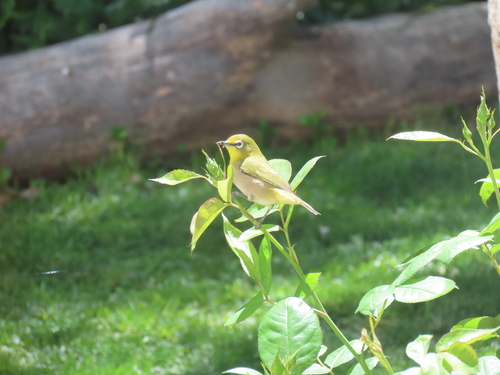 Orange River White-eye
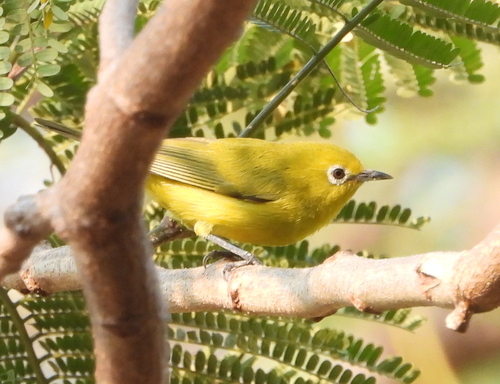 Southern Yellow White-eye
In breve
Il segno di campo più affidabile per separare l'Orange River White-eye dal Southern Yellow White-eye è la combinazione di toni del piumaggio sui fianchi e sui lati del petto: l'Orange River White-eye mostra qui un distintivo lavaggio color fulvo, mentre il Southern Yellow White-eye manca di questa caratteristica. Entrambe le specie sono piccoli occhi bianchi verdognoli con gole gialle e anelli oculari bianchi, e possono verificarsi insieme nell'Africa meridionale, rendendo i dettagli del piumaggio sottili critici. I giovani Orange River White-eye somigliano agli adulti ma sono più chiari, e i loro anelli oculari si sviluppano dopo il volo. Le differenze strutturali e le vocalizzazioni non sono documentate come utili per la separazione nelle note disponibili, quindi concentrati sul colore dei fianchi e sul tono generale quando identifichi queste specie sul campo.
Consigli di identificazione
- Colore dei fianchi e dei lati: Il segno diagnostico più importante è il lavaggio color fulvo sui fianchi e sui lati del petto nell'Orange River White-eye. Il Southern Yellow White-eye manca di questo, mostrando una parte inferiore giallo-verde più uniforme.
- Sviluppo dell'anello oculare giovanile: I giovani Orange River White-eye sono più chiari degli adulti e sviluppano i loro anelli oculari bianchi durante il secondo mese. Se vedi un giovane pallido con anello oculare e fianchi color fulvo, favorisci l'Orange River White-eye.
- Tono della parte superiore: Entrambe le specie hanno parti superiori di un verde oliva pallido, ma l'Orange River White-eye può apparire leggermente più chiaro nel complesso, specialmente nel piumaggio fresco. Questo è sottile e non affidabile da solo.
- Gola gialla e striscia soprallorale: Entrambe le specie mostrano gole gialle e una striscia soprallorale gialla; questo non è diagnostico tra di loro.
- Lori e parti nude: Entrambi hanno lori neri e parti nude, quindi questa caratteristica non le separa.
- Anello oculare bianco: Entrambe le specie hanno un anello oculare bianco, che appare nel giovane Orange River White-eye dopo il primo mese. La presenza dell'anello oculare da sola non è diagnostica.
- Sessi simili: Entrambe le specie non mostrano dimorfismo sessuale nel piumaggio, quindi il sesso non può essere usato per la separazione.
- Simpatria: Entrambe le specie possono verificarsi insieme nel sud del Sudafrica, quindi non fare affidamento solo sull'areale per l'identificazione.
- Variazione delle sottospecie: L'Orange River White-eye ha diverse sottospecie con lievi differenze nel piumaggio e nelle dimensioni, ma i fianchi color fulvo sono diagnostici e consistenti a livello regionale.
- Dimensioni: Non è disponibile alcuna differenza di dimensioni affidabile; entrambe sono piccoli occhi bianchi, e la dimensione apparente sul campo non è un segno sicuro.
- Comportamento: Entrambe le specie sono attive, gregarie e arboricole; il comportamento non è utile per la separazione.
- Habitat: Entrambi utilizzano habitat simili nell'Africa meridionale; non utilizzare l'habitat come segno di campo primario.
- Voce: Non sono documentate differenze vocali distintive nelle note disponibili; non fare affidamento su richiami o canti per la separazione.
- Trappola – parte inferiore gialla pulita: Se l'uccello manca di qualsiasi fulvo o colorato sui fianchi ed è altrimenti un tipico occhio bianco con gola gialla, è più probabile che sia un Southern Yellow White-eye, ma fai attenzione agli Orange River White-eye usurati o sbiaditi.
- Trappola – sovrapposizione regionale: Nelle aree in cui si verificano entrambe le specie, controlla sempre i fianchi color fulvo prima di fare un'identificazione.
Taglia
L'Orange River White-eye adulto pesa in media 11,1 g [wikidata], con una lunghezza di 10–13 cm dal becco alla punta della coda [wikipedia]. Non è disponibile alcuna misurazione diretta per il Southern Yellow White-eye, ma come Zosterops, ci si aspetta che sia simile in dimensioni. Non ci sono prove di una differenza di dimensioni consistente utile per l'identificazione sul campo tra queste due specie.
Piumaggio
- Giovane/immaturo: I giovani Orange River White-eye sono versioni più chiare dell'adulto, con l'anello oculare bianco diagnostico che si sviluppa durante il secondo mese. Non sono disponibili informazioni specifiche sul piumaggio giovanile per il Southern Yellow White-eye, ma si presume simile ad altri Zosterops, mancando i fianchi color fulvo dell'Orange River White-eye a tutte le età.
- Adulto: L'Orange River White-eye mostra parti superiori di un verde oliva pallido, una gola gialla e una striscia soprallorale gialla, e un lavaggio color fulvo diagnostico a livello regionale sui fianchi e sui lati del petto. I lori e le parti nude sono neri, e i sessi sono simili. Anche il Southern Yellow White-eye ha parti superiori verdognole e giallo sul viso e sulla gola, ma manca del fulvo sui fianchi e sui lati del petto, apparendo più pulito e più uniformemente giallo-verde sotto. Entrambi hanno anelli oculari bianchi, ma solo l'Orange River White-eye è noto per i lati color fulvo.
Comportamento
Non sono notate differenze comportamentali nelle fonti disponibili che aiuterebbero a separare queste due specie sul campo. Entrambi sono tipici occhi bianchi attivi e sociali, spesso visti in piccoli gruppi.
Habitat
Entrambe le specie si verificano nell'Africa meridionale e possono essere trovate in regioni sovrapposte, in particolare nel sud del Sudafrica. Non è nota alcuna separazione dell'habitat nelle fonti; entrambe possono essere incontrate in ambienti simili, quindi l'habitat non è un segno di campo affidabile.
Orange River White-eye · Southern Yellow White-eye · I miei uccelli difficili