

Motmot

ウスイロメジロ 対 Southern Yellow White-eye

Zosterops pallidus 対 Zosterops anderssoni

ウスイロメジロとSouthern Yellow White-eyeのクイズ
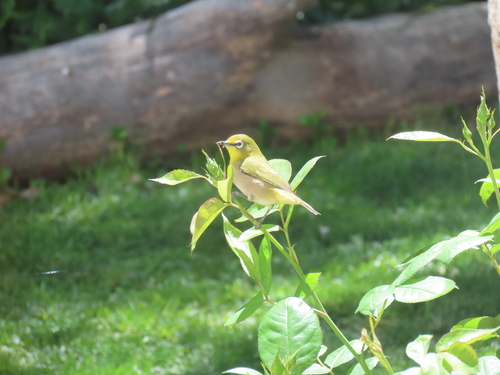
ウスイロメジロ (Zosterops pallidus) ウスイロメジロ
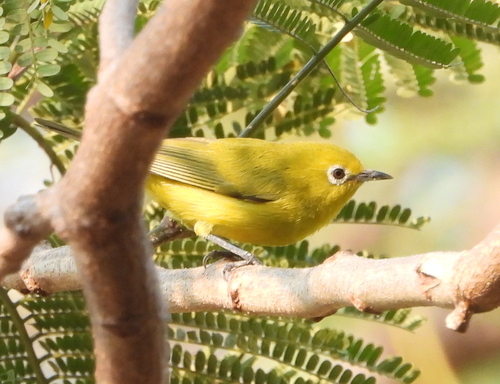
Southern Yellow White-eye (Zosterops anderssoni) Southern Yellow White-eye

メディア

読み込み中…

要点

オレンジリバーウスイロメジロとサザンイエローメジロを区別する最も信頼できるフィールドマークは、脇腹と胸の側面の羽色の組み合わせです:オレンジリバーウスイロメジロはここに特徴的な黄褐色の洗いが見られますが、サザンイエローメジロにはこの特徴がありません。両種は小型の緑がかったメジロで、黄色い喉と白いアイリングを持ち、南アフリカで一緒に見られることがあるため、微妙な羽毛の詳細が重要です。幼鳥のオレンジリバーウスイロメジロは成鳥に似ていますが、色が薄く、アイリングは巣立ち後に発達します。構造的な違いや鳴き声は、利用可能なノートでは区別に役立つと記録されていないため、フィールドでこれらの種を識別する際には脇腹の色と全体的なトーンに焦点を当ててください。

識別のコツ

  1. 脇腹と側面の色: 最も診断的なマークは、オレンジリバーウスイロメジロの脇腹と胸の側面に見られる黄褐色の洗いです。サザンイエローメジロにはこれがなく、より均一な黄緑色の下部を示します。
  2. 幼鳥のアイリングの発達: 幼鳥のオレンジリバーウスイロメジロは成鳥よりも色が薄く、2ヶ月目に白いアイリングを発達させます。もし薄い色のアイリングのある幼鳥を見たら、脇腹が黄褐色のオレンジリバーウスイロメジロを優先してください。
  3. 上面のトーン: 両種は薄いオリーブグリーンの上面を持っていますが、オレンジリバーウスイロメジロは全体的にわずかに色が薄く見えることがあります。これは微妙で、単独では信頼できません。
  4. 黄色い喉と上喉のストライプ: 両種は黄色い喉と黄色の上喉のストライプを示しますが、これは彼らの間で診断的ではありません。
  5. ロアと裸の部分: 両方とも黒いロアと裸の部分を持っているため、この特徴では区別できません。
  6. 白いアイリング: 両種は白いアイリングを持ち、幼鳥のオレンジリバーウスイロメジロは最初の月の後にアイリングが現れます。アイリングの存在だけでは診断的ではありません。
  7. 性別は同じ: 両種は羽毛に性的二形性がないため、性別を区別に使用することはできません。
  8. 共生: 両種は南アフリカの中央部で一緒に見られることがあるため、識別のために範囲だけに頼らないでください。
  9. 亜種の変異: オレンジリバーウスイロメジロには羽毛やサイズにわずかな違いのあるいくつかの亜種がありますが、黄褐色の脇腹は地域的に診断的で一貫しています。
  10. サイズ: 信頼できるサイズの違いはなく、両方とも小型のメジロであり、フィールドでの見かけのサイズは安全なマークではありません。
  11. 行動: 両種は活発で群れを成し、樹上性であり、行動は区別に役立ちません。
  12. 生息地: 両種は南アフリカで類似の生息地を使用しており、生息地を主要なフィールドマークとして使用しないでください。
  13. 声: 利用可能なノートには区別できる鳴き声の違いは記録されておらず、呼び声や歌に頼らないでください。
  14. 落とし穴 - 清潔な黄色の下部: 鳥が脇腹に黄褐色や黄褐色がなく、他は典型的な黄色い喉のメジロである場合、サザンイエローメジロの可能性が高いですが、擦り切れたまたは色あせたオレンジリバーウスイロメジロに注意してください。
  15. 落とし穴 - 地域的重複: 両種が発生する地域では、識別を行う前に常に黄褐色の脇腹を確認してください。

大きさ

成鳥のオレンジリバーウスイロメジロは、体重が平均11.1gで、くちばしから尾先までの長さは10〜13cmです[wikidata]。サザンイエローメジロの直接的な測定値はありませんが、Zosteropsとして、サイズは似ていると予想されます。これらの2種のフィールド識別に役立つ一貫したサイズの違いの証拠はありません。

羽色

行動

利用可能な情報源には、フィールドでこれらの2種を区別するのに役立つ行動の違いは記載されていません。両方とも典型的な活発で社交的なメジロであり、小さな群れで見られることがよくあります。

生息環境

両種は南アフリカに生息し、特に南アフリカ中央部で重複する地域に見られます。情報源には生息地の分離は記載されておらず、両方が類似の環境で遭遇する可能性があるため、生息地は信頼できるフィールドマークではありません。

より良い説明を送る

比較と同じ項目を使ってください。文章はすぐに公開されます。

The most reliable field mark to separate Orange River White-eye from Southern Yellow White-eye is the combination of plumage tones on the flanks and breast sides: Orange River White-eye shows a distinctive tawny-buff wash here, whereas Southern Yellow White-eye lacks this feature. Both species are small, greenish white-eyes with yellow throats and white eye-rings, and can occur together in southern Africa, making subtle plumage details critical. Juvenile Orange River White-eyes resemble adults but are paler, and their eye-rings develop after fledging. Structural differences and vocalizations are not documented as useful for separation in the available notes, so focus on flank color and overall tone when identifying these species in the field.

  1. Flank and side color: The single most diagnostic mark is the tawny-buff wash on the flanks and sides of the breast in Orange River White-eye. Southern Yellow White-eye lacks this, showing a more uniform yellow-green underpart.
  2. Juvenile eye-ring development: Juvenile Orange River White-eyes are paler than adults and develop their white eye-rings during the second month. If you see a pale, eye-ringed juvenile with buffy flanks, favor Orange River White-eye.
  3. Upperpart tone: Both species have pale olive-green upperparts, but Orange River White-eye may appear slightly paler overall, especially in fresh plumage. This is subtle and unreliable alone.
  4. Yellow throat and supraloral stripe: Both species show yellow throats and a yellow supraloral stripe; this is not diagnostic between them.
  5. Lores and bare parts: Both have black lores and bare parts, so this feature does not separate them.
  6. White eye-ring: Both species have a white eye-ring, which appears in juvenile Orange River White-eye after the first month. Presence of the eye-ring alone is not diagnostic.
  7. Sexes alike: Both species show no sexual dimorphism in plumage, so sex cannot be used for separation.
  8. Sympatry: Both species can occur together in central South Africa, so do not rely on range alone for identification.
  9. Subspecies variation: Orange River White-eye has several subspecies with slight differences in plumage and size, but the tawny-buff flanks are regionally diagnostic and consistent.
  10. Size: No reliable size difference is available; both are small white-eyes, and apparent size in the field is not a safe mark.
  11. Behavior: Both species are active, flocking, and arboreal; behavior is not useful for separation.
  12. Habitat: Both use similar habitats in southern Africa; do not use habitat as a primary field mark.
  13. Voice: No distinguishing vocal differences are documented in the available notes; do not rely on calls or song for separation.
  14. Pitfall – clean yellow underparts: If the bird lacks any buff or tawny on the flanks and is otherwise a typical yellow-throated white-eye, Southern Yellow White-eye is more likely, but beware of worn or faded Orange River White-eyes.
  15. Pitfall – regional overlap: In areas where both species occur, always check for the tawny-buff flanks before making an identification.

Adult Orange River White-eye averages 11.1 g in body mass [wikidata], with a length of 10–13 cm from bill to tail tip [wikipedia]. No direct measurement is available for Southern Yellow White-eye, but as a Zosterops, it is expected to be similar in size. There is no evidence for a consistent size difference useful for field identification between these two species.

  • Juvenile/immature: Juvenile Orange River White-eyes are paler versions of the adult, with the diagnostic white eye-ring developing during the second month. No specific juvenile plumage information is available for Southern Yellow White-eye, but it is presumed similar to other Zosterops, lacking the tawny-buff flanks of Orange River White-eye at all ages.
  • Adult: Orange River White-eye shows pale olive-green upperparts, a yellow throat and supraloral stripe, and a regionally diagnostic tawny-buff wash on the flanks and sides of the breast. The lores and bare parts are black, and the sexes are alike. Southern Yellow White-eye also has greenish upperparts and yellow on the face and throat, but lacks the tawny-buff on the flanks and breast sides, appearing cleaner and more uniformly yellow-green below. Both have white eye-rings, but only Orange River White-eye is noted for the tawny-buff sides.

No behavioral differences are noted in the available sources that would help separate these two species in the field. Both are typical active, social white-eyes, often seen in small flocks.

Both species occur in southern Africa and can be found in overlapping regions, particularly in central South Africa. There is no habitat separation noted in the sources; both may be encountered in similar environments, so habitat is not a reliable field mark.

変更を破棄しますか?

保存していない編集があります。今離れると失われます。

ウスイロメジロ · Southern Yellow White-eye · 苦手な鳥