

olomao vs bicknell's thrush
Myadestes lanaiensis versus Catharus bicknelli
Jogue um quiz com olomao e bicknell's thrush
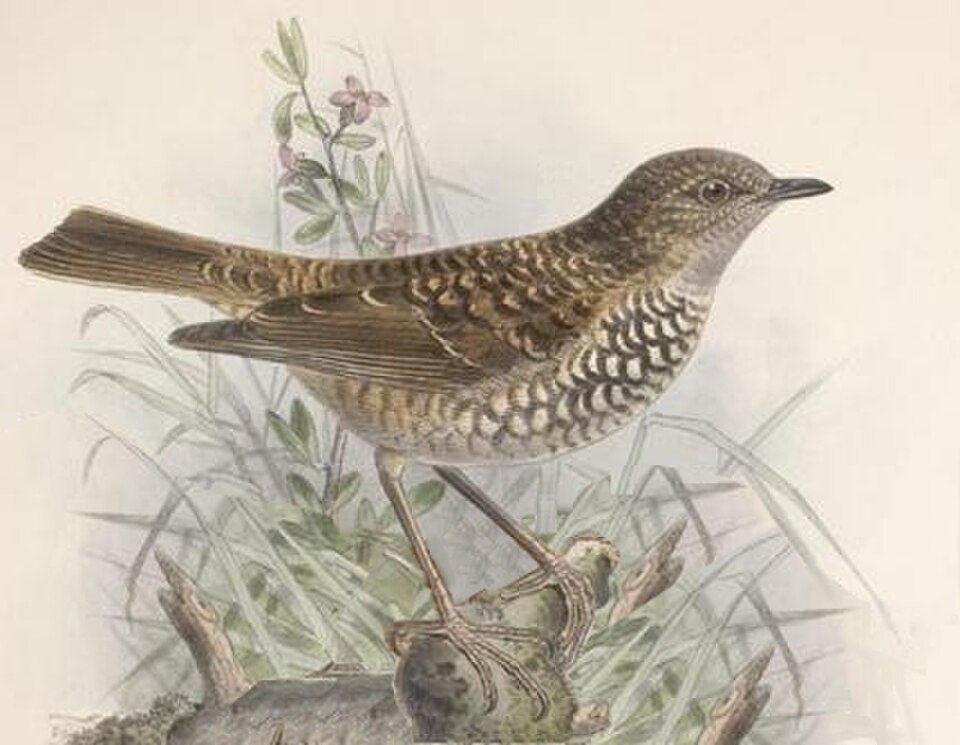 olomao
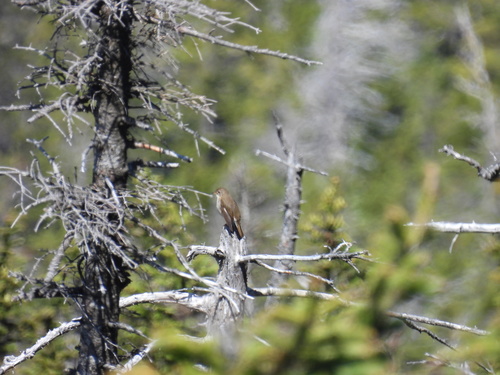 bicknell's thrush
Em resumo
A separação de campo mais confiável entre olomao e bicknell's thrush é a coloração geral: olomao é distintamente marrom escuro por cima e cinza por baixo, enquanto bicknell's thrush apresenta um dorso mais quente, de oliva-marrom a marronzinho, com uma cauda tingida de castanho e partes inferiores off-white com manchas amareladas. Ambos são pequenos tordos com tamanho e estrutura semelhantes, mas olomao parece mais sóbrio e uniforme, e é encontrado apenas em sub-bosques densos havaianos, enquanto bicknell's thrush é restrito a florestas de alta altitude no nordeste da América do Norte. As vocalizações diferem: olomao emite uma canção complexa, gorgolejante e às vezes áspera, enquanto bicknell's thrush canta uma série confusa de tons semelhantes a flautas. No campo, o habitat e o tom de cor geral são suas melhores pistas.
Dicas de identificação
- Tom de cor geral: olomao é marrom escuro por cima e cinza por baixo, criando uma aparência sóbria e uniforme; bicknell's thrush é mais quente, de oliva-marrom por cima, com uma cauda tingida de castanho e partes inferiores off-white, lavadas de buff, com manchas escuras.
- Cor da cauda: bicknell's thrush apresenta uma tonalidade castanha na cauda (especialmente em plumagem fresca), contrastando com o dorso; a cauda de olomao não é descrita como contrastante e se mistura com as partes superiores marrons escuras.
- Partes inferiores: olomao é cinza por baixo com pouco contraste; bicknell's thrush é off-white com uma lavagem de buff e manchas escuras difusas no peito, desvanecendo em direção à barriga.
- Cor das pernas: olomao tem pernas escuras, enquanto bicknell's thrush tem pernas rosas—isso pode ser visto em boa luz e de perto.
- Padrão do bico: bicknell's thrush tem um bico bicolor (base da mandíbula inferior amarelada, ponta e mandíbula superior escuras); o bico de olomao não é descrito como bicolor.
- Anel ocular e face: bicknell's thrush tem um leve anel ocular cinza e bochechas cinzas; olomao não possui um anel ocular descrito e tem uma face mais simples.
- Postura e comportamento: olomao frequentemente empoleira-se imóvel e curvado em sub-bosques densos, às vezes tremendo as asas; bicknell's thrush é mais ativo, frequentemente visto cantando ao ar livre no topo de coníferas.
- Habitat e distribuição: olomao é estritamente havaiano (Maui, Lānaʻi, Molokaʻi) em ravinas florestais densas; bicknell's thrush é um reprodutor do nordeste da América do Norte em florestas coníferas de alta altitude. Se o habitat ou a região estiverem errados, a identificação também estará.
- Vocalizações: a canção de olomao é complexa, com notas semelhantes a flautas, gorgolejos e notas ásperas; bicknell's thrush emite uma canção de flauta mais simples e confusa que termina em uma nota alta. O chamado de olomao pode ser um raspado semelhante a um gato ou um apito de polícia, ao contrário de bicknell's.
- Sexo e idade: ambas as espécies são semelhantes entre os sexos e idades no campo; não há diferenças fortes baseadas em idade ou sexo descritas para separação.
- Padrão de voo e asas: não há marcas distintivas de voo ou painéis de asas específicas para idade descritas para nenhuma das espécies; não confie no padrão de asas para separação.
- Tamanho e estrutura: ambas são semelhantes em tamanho (cerca de 17–18 cm), sem diferença significativa no campo. A estrutura não é um separador confiável.
- Desgaste da plumagem: em bicknell's thrush, o contraste da cauda castanha pode desvanecer em plumagem desgastada, mas as partes inferiores permanecem mais claras e mais marcadas do que em olomao.
- Risco de confusão: na América do Norte, olomao nunca está presente; no Havai, bicknell's thrush nunca está presente. Sempre considere a localização primeiro.
- Armadilhas do questionário: se você ver um pequeno tordo escuro e simples em um sub-bosque denso havaiano, é olomao; se você ver um tordo com peito manchado e marrom mais quente com uma cauda castanha em um pico de montanha da América do Norte, é bicknell's thrush.
Tamanho
Ambas as espécies são muito próximas em tamanho, com olomao atingindo até 7 polegadas (cerca de 17,8 cm) e bicknell's thrush averaging 17–17,5 cm de comprimento. O peso também é semelhante, com bicknell's thrush pesando entre 26–30g. Não há diferença significativa de tamanho no campo; ambos os sexos são semelhantes em ambas as espécies, e nenhum mostra dimorfismo sexual forte em tamanho ou estrutura. Use plumagem e contexto, não tamanho, para separação.
Plumagem
Nenhuma marca de padrão de asas ou voo específica para idade é descrita para nenhuma das espécies; ambas carecem de painéis superiores ou bordas de asas distintivas para juvenis ou imaturos. Para todas as idades, olomao é marrom escuro por cima e cinza por baixo, com uma aparência uniforme e sóbria e pernas escuras. Bicknell's thrush é de oliva-marrom a marronzinho por cima, com uma cauda tingida de castanho (especialmente fresca), partes inferiores off-white com uma lavagem de buff e manchas escuras no peito que desvanecem em direção à barriga. Bicknell's thrush também tem pernas rosas, um leve anel ocular cinza e um bico bicolor (base da mandíbula inferior amarelada, ponta e mandíbula superior escuras). Em plumagem desgastada, o contraste da cauda castanha pode ser menos óbvio, mas as partes inferiores permanecem mais claras e mais marcadas do que em olomao. Ambas as espécies são semelhantes entre os sexos e idades no campo.
Comportamento
Olomao frequentemente empoleira-se imóvel em uma postura curvada dentro de sub-bosques densos, às vezes tremendo suas asas. Bicknell's thrush é mais propenso a ser visto forrageando ou cantando ao ar livre em picos de montanha coníferos ou em florestas de segundo crescimento perturbadas. Ambas as espécies são principalmente frugívoras e insetívoras, mas o comportamento de olomao é mais secreto e sedentário, enquanto bicknell's thrush pode ser ativo e conspícuo ao cantar.
Habitat
O habitat é um forte separador: olomao é endêmico das Ilhas Havaianas (Maui, Lānaʻi, Molokaʻi), habitando estritamente ravinas densamente vegetadas e sub-bosques florestais. Bicknell's thrush é encontrado apenas no nordeste da América do Norte, reproduzindo-se em picos de montanha coníferos de alta altitude e às vezes em florestas perturbadas. Se você não estiver na região geográfica ou habitat corretos, o pássaro quase certamente não é a outra espécie.
Voz
A canção de olomao é uma melodia complexa de notas semelhantes a flautas, gorgolejos líquidos e assobios gorgolejantes, com um raspado semelhante a um gato e um chamado agudo, semelhante a um apito de polícia. Bicknell's thrush emite uma série confusa de tons semelhantes a flautas que sobem para uma nota mais alta, geralmente menos complexa e sem a qualidade gorgolejante ou áspera. Ambas são musicais, mas a canção de olomao é mais variada e inclui elementos mais ásperos.