

Olomao vs Bicknell's Thrush
Myadestes lanaiensis contro Catharus bicknelli
Fai un quiz con Olomao e Bicknell's Thrush
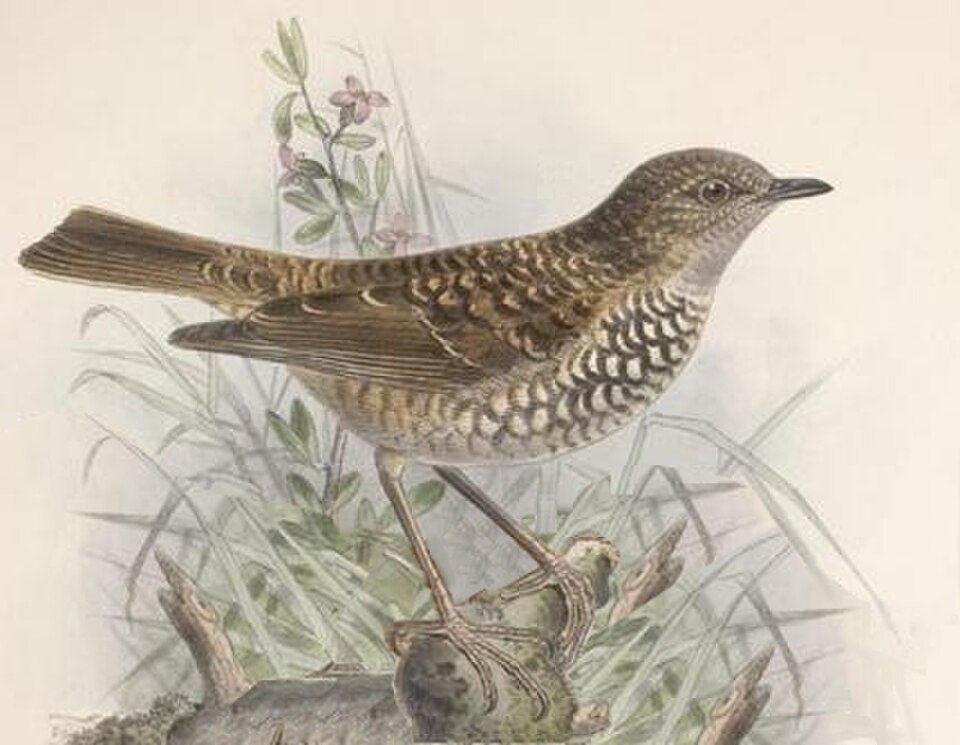 Olomao
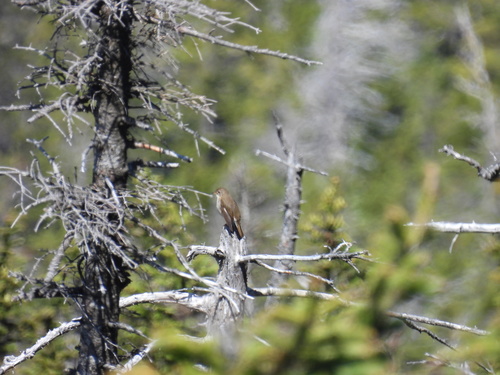 Bicknell's Thrush
In breve
La separazione sul campo più affidabile tra Olomao e Bicknell's Thrush è la colorazione generale: Olomao è distintamente marrone scuro sopra e grigio sotto, mentre Bicknell's Thrush mostra un dorso di un marrone oliva caldo a marrone con una coda con sfumature castanee e parti inferiori di un bianco sporco con macchie color crema. Entrambi sono piccoli tordi con dimensioni e struttura simili, ma Olomao appare più cupo e uniforme, e si trova solo nel denso sottobosco hawaiano, mentre Bicknell's Thrush è limitato alle foreste del nord-est dell'America del Nord ad alta quota. Le vocalizzazioni differiscono: Olomao emette un canto complesso, gorgogliante e talvolta rauco, mentre Bicknell's Thrush canta una serie confusa di toni simili a quelli di un flauto. Sul campo, l'habitat e il tono di colore generale sono i tuoi migliori indizi.
Consigli di identificazione
- Overall color tone: Olomao è marrone scuro sopra e grigio sotto, creando un aspetto cupo e uniforme; Bicknell's Thrush è più caldo, marrone oliva sopra, con una coda con sfumature castanee e parti inferiori di un bianco sporco, lavate di color crema, con macchie scure.
- Tail color: Bicknell's Thrush mostra una sfumatura castanea nella coda (soprattutto nel piumaggio fresco), in contrasto con il dorso; la coda di Olomao non è descritta come contrastante e si fonde con le parti superiori marrone scuro.
- Underparts: Olomao è grigio sotto con poco contrasto; Bicknell's Thrush è di un bianco sporco con un lavaggio color crema e macchie scure diffuse sul petto, che svaniscono verso il ventre.
- Leg color: Olomao ha zampe nere, mentre Bicknell's Thrush ha zampe rosa—questo può essere visto in buona luce e da vicino.
- Bill pattern: Bicknell's Thrush ha un becco bicolore (base della mandibola inferiore giallastra, punta e mandibola superiore nere); il becco di Olomao non è descritto come bicolore.
- Eye-ring and face: Bicknell's Thrush ha un debole anello oculare grigio e guance grigie; Olomao non ha un anello oculare descritto e ha un volto più semplice.
- Posture and behavior: Olomao spesso si posa immobile e curvo nel denso sottobosco, a volte tremando le ali; Bicknell's Thrush è più attivo, spesso visto cantare all'aperto sopra le conifere.
- Habitat and range: Olomao è strettamente hawaiano (Maui, Lānaʻi, Molokaʻi) in gole forestali dense; Bicknell's Thrush è un riproduttore del nord-est dell'America del Nord di foreste conifere ad alta quota. Se l'habitat o la regione sono sbagliati, anche l'ID è sbagliato.
- Vocalizations: Il canto di Olomao è complesso, con note simili a quelle di un flauto, gorgoglii e note rauche; Bicknell's Thrush emette un canto di flauto più semplice e confuso che termina su una nota alta. Il richiamo di Olomao può essere un gorgoglio simile a un gatto o un fischio di polizia, a differenza di Bicknell's.
- Sex and age: Entrambe le specie sono simili tra i sessi e le età sul campo; non sono descritte forti differenze basate su età o sesso per la separazione.
- Flight and wing pattern: Non sono descritti segni distintivi di volo o pannelli alari specifici per età per nessuna delle due specie; non fare affidamento sul modello alare per la separazione.
- Size and structure: Entrambi sono simili in dimensioni (circa 17–18 cm), senza differenze significative sul campo. La struttura non è un separatore affidabile.
- Plumage wear: In Bicknell's Thrush, il contrasto della coda castanea può svanire nel piumaggio usurato, ma le parti inferiori rimangono più chiare e più marcate rispetto a Olomao.
- Confusion risk: In Nord America, Olomao non è mai presente; alle Hawaii, Bicknell's Thrush non è mai presente. Considera sempre prima la posizione.
- Quiz pitfalls: Se vedi un piccolo, semplice, scuro tordo nel denso sottobosco hawaiano, è Olomao; se vedi un tordo con petto macchiato, di un marrone più caldo con una coda castanea su una cima montuosa dell'America del Nord, è Bicknell's Thrush.
Taglia
Entrambe le specie sono molto simili in dimensioni, con Olomao che raggiunge fino a 7 pollici (circa 17,8 cm) e Bicknell's Thrush che misura in media 17–17,5 cm di lunghezza. Il peso è anche simile, con Bicknell's Thrush che pesa 26–30g. Non c'è una differenza significativa di dimensioni sul campo; entrambi i sessi sono simili in entrambe le specie e nessuno mostra un forte dimorfismo sessuale in dimensioni o struttura. Usa il piumaggio e il contesto, non la dimensione, per la separazione.
Piumaggio
Non sono descritti segni specifici di volo o modello alare per età per nessuna delle due specie; entrambe mancano di pannelli superiori o bordi posteriori distintivi per i giovani o gli immaturi. Per tutte le età, Olomao è marrone scuro sopra e grigio sotto, con un aspetto uniforme e cupo e zampe nere. Bicknell's Thrush è marrone oliva a marrone sopra, con una coda con sfumature castanee (soprattutto fresca), parti inferiori di un bianco sporco con un lavaggio color crema e macchie scure sul petto che svaniscono verso il ventre. Bicknell's Thrush ha anche zampe rosa, un debole anello oculare grigio e un becco bicolore (base della mandibola inferiore giallastra, punta e mandibola superiore nere). Nel piumaggio usurato, il contrasto della coda castanea può essere meno evidente, ma le parti inferiori rimangono più chiare e più marcate rispetto a Olomao. Entrambe le specie sono simili tra i sessi e le età sul campo.
Comportamento
Olomao spesso si posa immobile in una postura curvata all'interno del denso sottobosco, a volte tremando le ali. Bicknell's Thrush è più probabile che venga visto cercare cibo o cantare all'aperto su cime montuose conifere o in foreste disturbate di seconda crescita. Entrambe le specie sono principalmente frugivore e insetti, ma il comportamento di Olomao è più segreto e sedentario, mentre Bicknell's Thrush può essere attivo e evidente quando canta.
Habitat
L'habitat è un forte separatore: Olomao è endemico alle Isole Hawaii (Maui, Lānaʻi, Molokaʻi), abitante esclusivamente di gole forestali densamente vegetate e sottobosco. Bicknell's Thrush si trova solo nel nord-est dell'America del Nord, riproducendosi su cime montuose conifere ad alta quota e talvolta in foreste disturbate. Se non ti trovi nella corretta regione geografica o habitat, l'uccello non è quasi certamente l'altra specie.
Voce
Il canto di Olomao è una melodia complessa di note simili a quelle di un flauto, gorgoglii liquidi e fischi gorgoglianti, con un gorgoglio simile a un gatto e un richiamo acuto, simile a un fischio di polizia. Bicknell's Thrush emette una serie confusa di toni simili a quelli di un flauto che salgono a una nota più alta, generalmente meno complessa e priva della qualità gorgogliante o rauca. Entrambi sono musicali, ma il canto di Olomao è più vario e include elementi più duri.