

Solitario Olomao vs Zorzalito de Bicknell
Myadestes lanaiensis frente a Catharus bicknelli
Juega un quiz con Solitario Olomao y Zorzalito de Bicknell
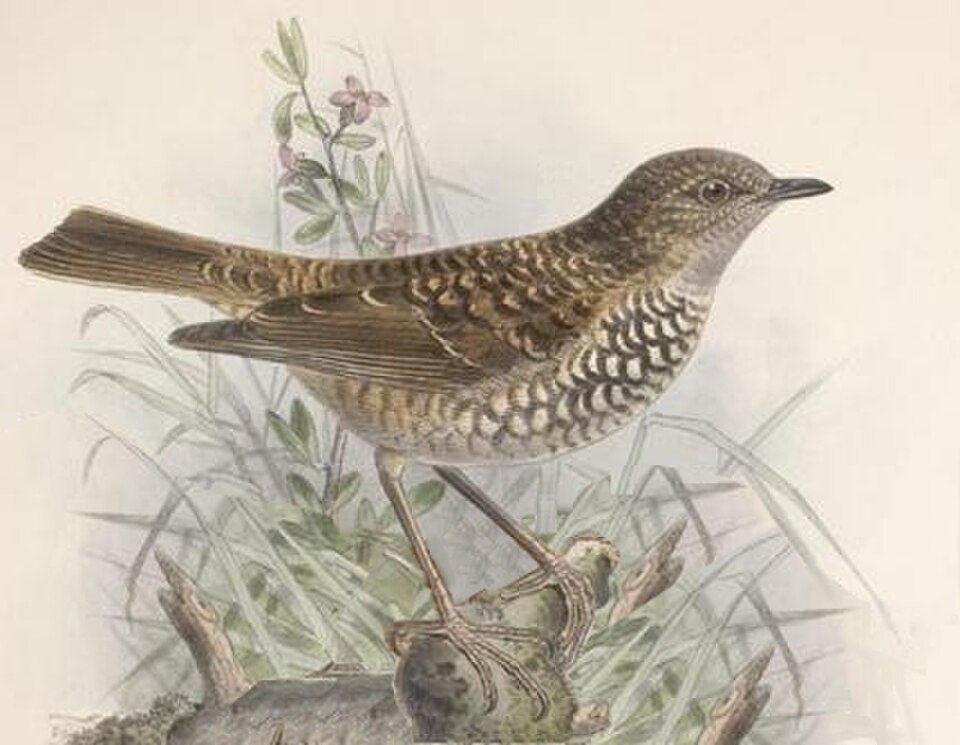 Solitario Olomao
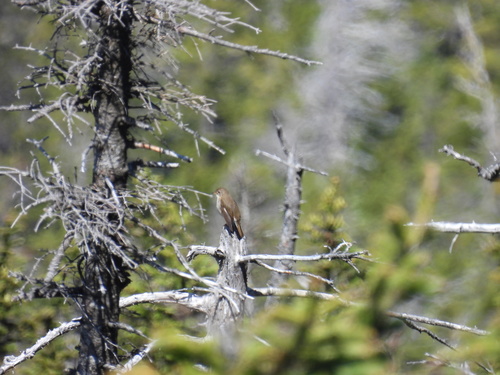 Zorzalito de Bicknell
En breve
La separación de campo más confiable entre el Solitario Solitario Solitario Olomao y el Zorzalito de Bicknell es la coloración general: el Solitario Solitario Solitario Olomao es distintivamente marrón oscuro por encima y gris por debajo, mientras que el Zorzalito de Bicknell muestra un dorso de color marrón oliva a marrón más cálido con una cola con matices castaños y partes inferiores de color blanco sucio con manchas amarillentas. Ambos son zorzales pequeños con tamaño y estructura similares, pero el Solitario Solitario Solitario Olomao parece más sombrío y uniforme, y se encuentra solo en el denso sotobosque hawaiano, mientras que el Zorzalito de Bicknell está restringido a los bosques de alta elevación del noreste de América del Norte. Las vocalizaciones difieren: el Solitario Solitario Solitario Olomao emite una canción compleja, burbujeante y a veces áspera, mientras que el Zorzalito de Bicknell canta una serie desordenada de tonos similares a flautas. En el campo, el hábitat y el tono de color general son tus mejores pistas.
Consejos de identificación
- Tono de color general: El Solitario Solitario Solitario Olomao es marrón oscuro por encima y gris por debajo, creando una apariencia sombría y uniforme; el Zorzalito de Bicknell es más cálido, de color marrón oliva por encima, con una cola con matices castaños y partes inferiores de color blanco sucio con manchas oscuras.
- Color de la cola: El Zorzalito de Bicknell muestra un matiz castaño en la cola (especialmente en plumaje fresco), contrastando con el dorso; la cola del Solitario Solitario Solitario Olomao no se describe como contrastante y se mezcla con las partes superiores marrón oscuro.
- Partes inferiores: El Solitario Solitario Solitario Olomao es gris por debajo con poco contraste; el Zorzalito de Bicknell es blanco sucio con un lavado amarillento y manchas oscuras difusas en el pecho, desvaneciéndose hacia el vientre.
- Color de las patas: El Solitario Solitario Solitario Olomao tiene patas negruzcas, mientras que el Zorzalito de Bicknell tiene patas rosadas—esto se puede ver en buena luz y vistas cercanas.
- Patrón del pico: El Zorzalito de Bicknell tiene un pico bicolor (base de mandíbula inferior amarillenta, punta y mandíbula superior negruzcas); el pico del Solitario Solitario Solitario Olomao no se describe como bicolor.
- Anillo ocular y cara: El Zorzalito de Bicknell tiene un débil anillo ocular gris y mejillas grises; el Solitario Solitario Solitario Olomao carece de un anillo ocular descrito y tiene una cara más simple.
- Postura y comportamiento: El Solitario Solitario Solitario Olomao a menudo se posó inmóvil y encorvado en el denso sotobosque, a veces temblando las alas; el Zorzalito de Bicknell es más activo, a menudo visto cantando a la vista en la parte superior de los coníferas.
- Hábitat y rango: El Solitario Solitario Solitario Olomao es estrictamente hawaiano (Maui, Lānaʻi, Molokaʻi) en cañones de bosques densos; el Zorzalito de Bicknell es un criador del noreste de América del Norte en bosques coníferos de alta elevación. Si el hábitat o la región son incorrectos, también lo es la identificación.
- Vocalizaciones: La canción del Solitario Solitario Solitario Olomao es compleja, con notas similares a flautas, gorgoteos y notas ásperas; el Zorzalito de Bicknell emite una canción de flauta más simple y desordenada que termina en una nota alta. El llamado del Solitario Solitario Solitario Olomao puede ser un raspado similar a un gato o un silbido de policía, a diferencia del de Bicknell.
- Sexo y edad: Ambas especies son similares entre sexos y edades en el campo; no se describen diferencias fuertes basadas en la edad o el sexo para la separación.
- Vuelo y patrón de alas: No se describen marcas distintivas de vuelo o paneles de alas específicos de edad para ninguna de las especies; no confíes en el patrón de alas para la separación.
- Tamaño y estructura: Ambas son similares en tamaño (alrededor de 17–18 cm), sin diferencias significativas en el campo. La estructura no es un separador confiable.
- Desgaste del plumaje: En el Zorzalito de Bicknell, el contraste de la cola castaña puede desvanecerse en plumaje desgastado, pero las partes inferiores permanecen más pálidas y más marcadas que las del Solitario Solitario Solitario Olomao.
- Riesgo de confusión: En América del Norte, el Solitario Solitario Solitario Olomao nunca está presente; en Hawái, el Zorzalito de Bicknell nunca está presente. Siempre considera la ubicación primero.
- Trampas del cuestionario: Si ves un zorzal pequeño, simple y oscuro en el denso sotobosque hawaiano, es el Solitario Solitario Solitario Olomao; si ves un zorzal con el pecho manchado, de color marrón más cálido con una cola castaña en la cima de una montaña de América del Norte, es el Zorzalito de Bicknell.
Tamaño
Ambas especies son muy similares en tamaño, con el Solitario Solitario Solitario Olomao alcanzando hasta 7 pulgadas (aproximadamente 17.8 cm) y el Zorzalito de Bicknell promediando 17–17.5 cm de longitud. El peso también es similar, con el Zorzalito de Bicknell pesando entre 26–30g. No hay una diferencia de tamaño significativa en el campo; ambos sexos son similares en ambas especies, y ninguno muestra un fuerte dimorfismo sexual en tamaño o estructura. Usa el plumaje y el contexto, no el tamaño, para la separación.
Plumaje
No se describen marcas de patrón de alas o vuelo específicas de edad para ninguna de las especies; ambas carecen de paneles de alas superiores o bordes traseros distintivos de juveniles o inmaduros. Para todas las edades, el Solitario Solitario Solitario Olomao es marrón oscuro por encima y gris por debajo, con un aspecto uniforme y sombrío y patas negruzcas. El Zorzalito de Bicknell es marrón oliva a marrón por encima, con una cola con matices castaños (especialmente fresca), partes inferiores de color blanco sucio con un lavado amarillento y manchas oscuras en el pecho que se desvanecen hacia el vientre. El Zorzalito de Bicknell también tiene patas rosadas, un débil anillo ocular gris y un pico bicolor (base de mandíbula inferior amarillenta, punta y mandíbula superior negruzcas). En plumaje desgastado, el contraste de la cola castaña puede ser menos obvio, pero las partes inferiores permanecen más pálidas y más marcadas que las del Solitario Solitario Solitario Olomao. Ambas especies son similares entre sexos y edades en el campo.
Comportamiento
El Solitario Solitario Solitario Olomao a menudo se posa inmóvil en una postura encorvada dentro del denso sotobosque, a veces temblando sus alas. El Zorzalito de Bicknell es más probable que se vea buscando alimento o cantando a la vista en las cimas de montañas coníferas o en bosques de segundo crecimiento perturbados. Ambas especies son principalmente frugívoras e insectívoras, pero el comportamiento del Solitario Solitario Solitario Olomao es más secreto y sedentario, mientras que el Zorzalito de Bicknell puede ser activo y conspicuo cuando canta.
Hábitat
El hábitat es un fuerte separador: el Solitario Solitario Solitario Olomao es endémico de las Islas Hawaianas (Maui, Lānaʻi, Molokaʻi), habitando estrictamente cañones densamente vegetados y sotobosque forestal. El Zorzalito de Bicknell se encuentra solo en el noreste de América del Norte, criando en cimas de montañas coníferas de alta elevación y a veces en bosques perturbados. Si no estás en la región geográfica o hábitat correctos, el ave casi seguramente no es la otra especie.
Voz
La canción del Solitario Solitario Solitario Olomao es una melodía compleja de notas similares a flautas, trinos líquidos y silbidos burbujeantes, con un raspado similar a un gato y un llamado agudo, similar a un silbido de policía. El Zorzalito de Bicknell emite una serie desordenada de tonos similares a flautas que ascienden a una nota más alta, generalmente menos compleja y sin la calidad burbujeante o áspera. Ambas son musicales, pero la canción del Solitario Solitario Solitario Olomao es más variada e incluye elementos más ásperos.
Solitario Olomao · Zorzalito de Bicknell · Mis aves difíciles