

olive-streaked flycatcher vs olive-striped flycatcher
Mionectes olivaceus versus Mionectes galbinus
Jogue um quiz com olive-streaked flycatcher e olive-striped flycatcher
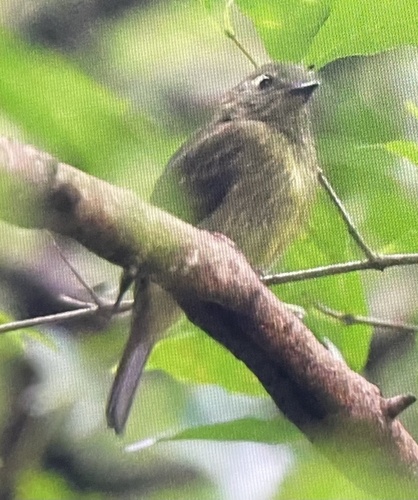 olive-streaked flycatcher
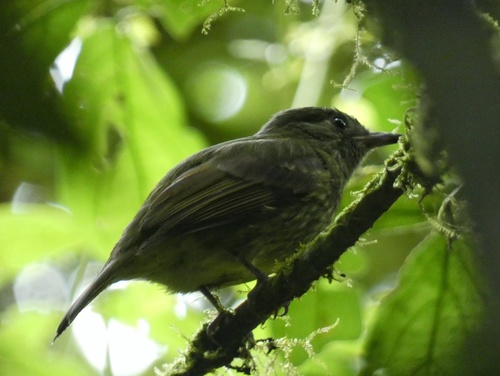 olive-striped flycatcher
Em resumo
A marca de campo mais confiável entre o bem-te-vi-rajado e o bem-te-vi-listrado é sutil, mas consistente: o bem-te-vi-rajado tem partes superiores e rosto mais escuros e com tons de oliva, enquanto o bem-te-vi-listrado é geralmente mais amarelo-esverdeado acima, com bordas mais amareladas nas asas. Ambas as espécies são extremamente semelhantes em tamanho e estrutura, e ambos os sexos se parecem, então a atenção cuidadosa aos tons de cor geral e detalhes faciais sutis é fundamental. A distribuição também é uma pista forte: o bem-te-vi-rajado é limitado à Costa Rica e Panamá, enquanto o bem-te-vi-listrado é encontrado do Panamá para o sul e leste através de grande parte do norte da América do Sul e Trinidad. Em áreas de sobreposição (Panamá), a separação requer um estudo cuidadoso da plumagem e, às vezes, conhecimento de subespécies locais. As vocalizações não são bem descritas para o bem-te-vi-listrado, então a voz não é um separador confiável.
Dicas de identificação
- A distribuição geográfica é frequentemente a melhor primeira verificação: o bem-te-vi-rajado ocorre apenas na Costa Rica e no Panamá, enquanto o bem-te-vi-listrado é encontrado do Panamá para o sul e leste na América do Sul e Trinidad. Se você estiver fora da Costa Rica ou do Panamá, você quase certamente tem um bem-te-vi-listrado.
- Cor das partes superiores: o bem-te-vi-rajado é mais escuro e mais uniformemente oliva acima, especialmente no rosto e na coroa. O bem-te-vi-listrado é mais amarelo-esverdeado acima, às vezes com bordas amarelo-esverdeadas nas penas das asas, especialmente na subespécie nominativa.
- Padrão facial: o bem-te-vi-rajado tem um rosto oliva escuro com listras brancas e uma pequena mancha branca triangular, muitas vezes sutil, atrás do olho. O bem-te-vi-listrado também tem uma mancha branca atrás do olho, mas o rosto é mais listrado com amarelo-esbranquiçado e oliva escuro, muitas vezes parecendo menos uniformemente escuro do que o bem-te-vi-rajado.
- Cor das asas e cauda: ambos têm asas e cauda oliva escuro, mas o bem-te-vi-listrado frequentemente mostra bordas finas amarelo-esverdeadas nas penas de voo, especialmente na plumagem fresca. As asas do bem-te-vi-rajado são mais uniformemente oliva escuro, sem bordas proeminentes.
- Listras na garganta e peito: ambas as espécies têm listras oliva escuras e amarelo-esbranquiçadas na garganta e no peito superior, mas as listras do bem-te-vi-rajado são mais densas e a cor de fundo é mais escura. As listras do bem-te-vi-listrado podem parecer mais finas e o fundo mais claro, especialmente em algumas subespécies.
- Cor da barriga: ambos têm uma barriga amarela sem listras, mas a do bem-te-vi-listrado pode ser mais clara ou mais rica em amarelo, dependendo da subespécie, às vezes contrastando mais com o peito listrado. A barriga do bem-te-vi-rajado é um amarelo mais quente.
- Cor do bico: ambos têm um bico escuro, mas os bem-te-vi-listrados mais velhos podem mostrar uma base laranja no bico, o que é menos comum no bem-te-vi-rajado.
- Íris e pernas: ambos têm íris marrons escuras e pernas e pés cinza escuro ou rosados; estes não são úteis para separação.
- Sexo e idade: ambos os sexos se parecem em ambas as espécies, e nenhuma diferença específica de padrão de asas ou cauda relacionada à idade é descrita que ajudaria no campo.
- Vocalizações: se você ouvir uma canção muito aguda, rápida, tilintante e ondulante ou um claro, descendente 'Tsew', você provavelmente está ouvindo o bem-te-vi-rajado. A voz do bem-te-vi-listrado não é bem descrita, então a ausência desses sons não é diagnóstica.
- Comportamento: ambas as espécies forrageiam de maneira semelhante, colhendo frutas em voo e às vezes seguindo enxames de formigas. O comportamento não é um separador confiável.
- Habitat: ambas preferem o sub-bosque denso e os níveis médios de florestas úmidas ou montanhosas. No Panamá, ambas podem ocorrer em habitats semelhantes, então não confie apenas no habitat lá.
- Variação de subespécies (bem-te-vi-listrado): se você estiver na América do Sul, esteja ciente de que algumas subespécies de bem-te-vi-listrado são mais escuras acima ou mais claras abaixo, mas nenhuma é tão uniformemente escura quanto o bem-te-vi-rajado.
- Armadilha—iluminação e desgaste: em luz fraca ou plumagem desgastada, ambas as espécies podem parecer mais opacas ou menos listradas, tornando a separação mais difícil. Concentre-se no tom geral e no padrão facial.
- Armadilha—sobreposição de distribuição: no Panamá, ambas as espécies podem estar presentes. Use uma combinação de distribuição, tom das partes superiores e padrão facial para a melhor chance de identificação correta.
Tamanho
Ambas as espécies são virtualmente idênticas em tamanho, com o bem-te-vi-rajado medindo cerca de 13 cm de comprimento, e o bem-te-vi-listrado variando de 13 a 13,5 cm e pesando entre 10 e 17,5 g. Não há diferença significativa de tamanho ou estrutura no campo; ambos aparecem como pequenos e compactos bem-te-vis com proporções semelhantes.
Plumagem
Nenhuma diferença específica de padrão de asas ou voo relacionada à idade é descrita para qualquer uma das espécies; tanto os adultos quanto os imaturos mostram coloração semelhante nas asas e cauda. Para aves empoleiradas, o bem-te-vi-rajado é mais escuro no geral, com um rosto e coroa oliva escuros, partes superiores amarelo-esverdeadas quentes e listras densas de oliva escuro e amarelo-esbranquiçado na garganta e no peito superior. O bem-te-vi-listrado é mais amarelo-esverdeado acima, com bordas amarelo-esverdeadas nas penas de voo e um rosto listrado com oliva escuro e amarelo-esbranquiçado. As subespécies de bem-te-vi-listrado podem variar: algumas são mais escuras acima ou mais claras abaixo, mas todas tendem a ser menos uniformemente escuras do que o bem-te-vi-rajado. Ambos têm uma pequena mancha branca atrás do olho, mas a do bem-te-vi-listrado é frequentemente mais distinta. A barriga de ambos é amarela sem listras, mas a do bem-te-vi-listrado pode ser mais clara ou mais rica dependendo da subespécie. A cor do bico é semelhante, embora os bem-te-vi-listrados mais velhos possam mostrar uma base laranja no bico.
Comportamento
Ambas as espécies forrageiam no sub-bosque denso da floresta e nos níveis médios, frequentemente colhendo frutas em voo ou pegando-as enquanto empoleiradas. Ambas são tipicamente solitárias, mas podem se juntar a bandos mistos ou seguir enxames de formigas. Não há diferença descrita no estilo de forrageamento ou comportamento geral que seja útil para separação em campo.
Habitat
O habitat é uma pista forte: o bem-te-vi-rajado é restrito à Costa Rica e ao Panamá, enquanto o bem-te-vi-listrado é encontrado em uma faixa muito mais ampla, incluindo Panamá, norte da América do Sul e Trinidad. No Panamá, ambas podem ocorrer, então o habitat sozinho não é diagnóstico lá. Ambas preferem o sub-bosque denso e os níveis médios, frequentemente em florestas úmidas ou montanhosas.
Voz
O bem-te-vi-rajado tem uma canção distintiva, extremamente aguda, rápida e tilintante, e um chamado claro e descendente 'Tsew', ouvido principalmente ao amanhecer e em vegetação densa. As vocalizações do bem-te-vi-listrado não são bem descritas, então a voz não é um separador confiável, a menos que a canção do bem-te-vi-rajado seja ouvida claramente.
olive-streaked flycatcher · olive-striped flycatcher · Minhas aves difíceis