

Olive-streaked Flycatcher vs Olive-striped Flycatcher
Mionectes olivaceus contro Mionectes galbinus
Fai un quiz con Olive-streaked Flycatcher e Olive-striped Flycatcher
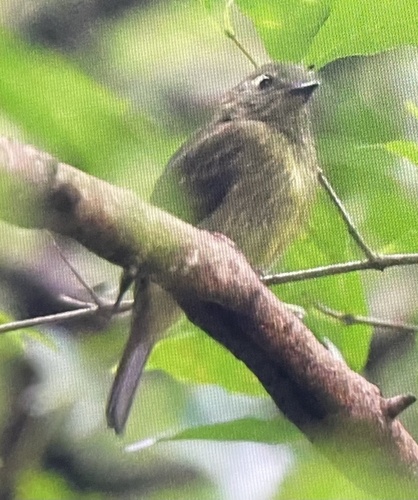 Olive-streaked Flycatcher
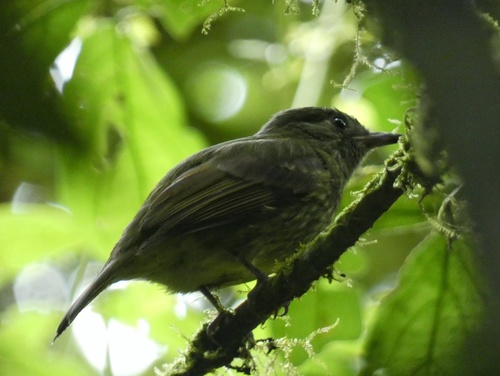 Olive-striped Flycatcher
In breve
Il segno distintivo più affidabile tra Olive-streaked e Olive-striped Flycatchers è sottile ma costante: Olive-streaked ha parti superiori e faccia di un tono oliva più scuro, mentre Olive-striped è generalmente di un giallo-verde più brillante sopra con bordi più giallastri sulle ali. Entrambe le specie sono estremamente simili in dimensioni e struttura, e entrambi i sessi si somigliano, quindi prestare attenzione ai toni di colore complessivi e ai dettagli facciali sottili è fondamentale. L'areale è anche un forte indizio: Olive-streaked è limitato a Costa Rica e Panama, mentre Olive-striped si trova da Panama a sud e a est attraverso gran parte del nord del Sud America e Trinidad. Nelle aree di sovrapposizione (Panama), la separazione richiede uno studio attento del piumaggio e talvolta conoscenza delle sottospecie locali. Le vocalizzazioni non sono ben descritte per Olive-striped, quindi la voce non è un separatore affidabile.
Consigli di identificazione
- L'areale geografico è spesso il primo controllo migliore: Olive-streaked si trova solo in Costa Rica e Panama, mentre Olive-striped si trova da Panama a sud e a est nel Sud America e Trinidad. Se sei al di fuori di Costa Rica o Panama, hai quasi certamente Olive-striped.
- Colore delle parti superiori: Olive-streaked è più scuro e più uniformemente oliva sopra, specialmente sulla faccia e sulla corona. Olive-striped è più brillante giallo-verde sopra, a volte con bordi giallo-verdi sulle piume delle ali, specialmente nella sottospecie nominativa.
- Schema facciale: Olive-streaked ha una faccia oliva scura con strisce bianche e un piccolo, spesso sottile, punto bianco triangolare dietro l'occhio. Olive-striped ha anche un punto bianco dietro l'occhio, ma la faccia è più striata di bianco-giallastro e oliva scuro, apparendo spesso meno uniformemente scura rispetto a Olive-streaked.
- Colore delle ali e della coda: Entrambi hanno ali e coda oliva scure, ma Olive-striped spesso mostra sottili bordi giallo-verdi sulle piume da volo, specialmente nel piumaggio fresco. Le ali di Olive-streaked sono più uniformemente oliva scuro senza bordi prominenti.
- Striature sulla gola e sul petto: Entrambe le specie hanno striature oliva scure e bianco-giallastro sulla gola e sul petto superiore, ma le striature di Olive-streaked sono più dense e il colore di sfondo è più scuro. Le striature di Olive-striped possono apparire più fini e il colore di sfondo più chiaro, specialmente in alcune sottospecie.
- Colore della pancia: Entrambi hanno una pancia gialla non striata, ma quella di Olive-striped può essere più chiara o più ricca di giallo a seconda della sottospecie, a volte contrastando di più con il petto striato. La pancia di Olive-streaked è di un giallo più caldo.
- Colore del becco: Entrambi hanno un becco scuro, ma i Flycatchers Olive-striped più vecchi possono mostrare una base arancione al becco, che è meno comune in Olive-streaked.
- Iride e zampe: Entrambi hanno iridi marroni scure e zampe e piedi grigio scuro o rosati; questi non sono utili per la separazione.
- Sesso e età: Entrambi i sessi si somigliano in entrambe le specie, e non sono descritte differenze specifiche di età nel modello delle ali o della coda che possano aiutare sul campo.
- Vocalizzazioni: Se senti un canto molto acuto, veloce, tintinnante e ondulato o un chiaro 'Tsew' discendente, è probabile che tu stia sentendo Olive-streaked. La voce di Olive-striped non è ben descritta, quindi l'assenza di questi suoni non è diagnostica.
- Comportamento: Entrambe le specie si nutrono in modo simile, raccogliendo frutta in volo e talvolta seguendo sciami di formiche. Il comportamento non è un separatore affidabile.
- Habitat: Entrambi preferiscono il sottobosco denso e i livelli medi delle foreste umide o montane. In Panama, entrambe possono verificarsi in habitat simili, quindi non fare affidamento solo sull'habitat lì.
- Variazione delle sottospecie (Olive-striped): Se sei in Sud America, fai attenzione che alcune sottospecie di Olive-striped sono più scure sopra o più chiare sotto, ma nessuna è così uniformemente scura come Olive-streaked.
- Trappola—illuminazione e usura: In scarsa illuminazione o piumaggio usurato, entrambe le specie possono apparire più opache o meno striate, rendendo più difficile la separazione. Concentrati sul tono complessivo e sul modello facciale.
- Trappola—sovrapposizione dell'areale: In Panama, entrambe le specie possono essere presenti. Usa una combinazione di areale, tono delle parti superiori e modello facciale per la migliore possibilità di identificazione corretta.
Taglia
Entrambe le specie sono praticamente identiche in dimensioni, con Olive-streaked Flycatcher che misura in media circa 13 cm di lunghezza, e Olive-striped Flycatcher che varia da 13 a 13,5 cm e pesa 10–17,5 g. Non ci sono differenze significative di dimensione o struttura sul campo; entrambe appaiono come piccoli e compatti flycatchers con proporzioni simili.
Piumaggio
Non sono descritte differenze specifiche di età nel modello delle ali o di volo per entrambe le specie; sia gli adulti che gli immaturi mostrano una colorazione simile delle ali e della coda. Per gli uccelli in pericolo, Olive-streaked Flycatcher è più scuro nel complesso, con una faccia e una corona oliva scura, parti superiori giallo-verde caldo e striature dense di oliva scura e bianco-giallastro sulla gola e sul petto superiore. Olive-striped Flycatcher è più brillante giallo-verde sopra, con bordi giallo-verdi sulle piume da volo e una faccia striata di oliva scura e bianco-giallastro. Le sottospecie di Olive-striped possono variare: alcune sono più scure sopra o più chiare sotto, ma tutte tendono a essere meno uniformemente scure di Olive-streaked. Entrambi hanno un piccolo punto bianco dietro l'occhio, ma quello di Olive-striped è spesso più distintivo. La pancia di entrambi è gialla non striata, ma quella di Olive-striped può essere più chiara o più ricca a seconda della sottospecie. Il colore del becco è simile, anche se Olive-striped più vecchi possono mostrare una base arancione al becco.
Comportamento
Entrambe le specie si nutrono nel denso sottobosco forestale e nei livelli medi, spesso raccogliendo frutta in volo o prendendola mentre sono appollaiate. Entrambi sono tipicamente solitari ma possono unirsi a stormi misti o seguire sciami di formiche. Non ci sono differenze descritte nello stile di foraggiamento o nel comportamento generale che siano utili per la separazione sul campo.
Habitat
L'habitat è un forte indizio: Olive-streaked è ristretto a Costa Rica e Panama, mentre Olive-striped si trova in un areale molto più ampio, compresi Panama, il nord del Sud America e Trinidad. In Panama, entrambe possono verificarsi, quindi l'habitat da solo non è diagnostico lì. Entrambi preferiscono il sottobosco denso e i livelli medi, spesso in foreste umide o montane.
Voce
Olive-streaked Flycatcher ha un canto distintivo, estremamente acuto, veloce e tintinnante e un chiaro richiamo 'Tsew' discendente, per lo più udito all'alba e in vegetazione densa. Le vocalizzazioni per Olive-striped Flycatcher non sono ben descritte, quindi la voce non è un separatore affidabile a meno che il canto di Olive-streaked non venga udito chiaramente.
Olive-streaked Flycatcher · Olive-striped Flycatcher · I miei uccelli difficili