

Motmot

Olive-streaked Flycatcher 対 Olive-striped Flycatcher

Mionectes olivaceus 対 Mionectes galbinus

Olive-streaked FlycatcherとOlive-striped Flycatcherのクイズ
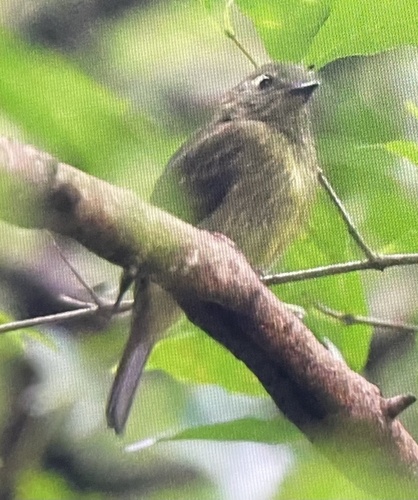
Olive-streaked Flycatcher (Mionectes olivaceus) Olive-streaked Flycatcher
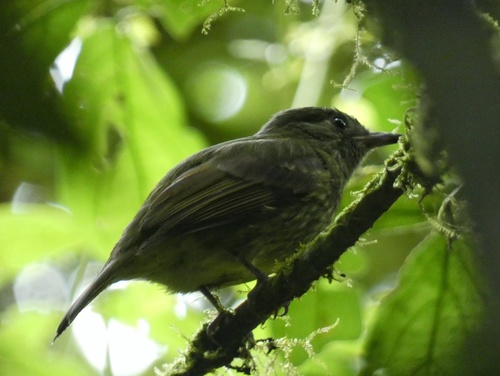
Olive-striped Flycatcher (Mionectes galbinus) Olive-striped Flycatcher

メディア

読み込み中…

要点

オリーブストライクドフライキャッチャーとオリーブストライプドフライキャッチャーの最も信頼できるフィールドマークは微妙ですが一貫しています:オリーブストライクドは上面と顔がより暗く、オリーブトーンが強いのに対し、オリーブストライプドは一般的に明るい黄緑色で、翼の縁により黄色がかっています。両種はサイズと構造が非常に似ており、両性は似ているため、全体の色調と微妙な顔の詳細に注意を払うことが重要です。分布も強力な手がかりです:オリーブストライクドはコスタリカとパナマに限られ、オリーブストライプドはパナマから南と東にかけて南アメリカの北部やトリニダードの大部分に見られます。重複する地域(パナマ)では、羽毛の詳細な観察と時には地元の亜種の知識が必要です。オリーブストライプドの声はよく記述されていないため、声は信頼できる区別要因ではありません。

識別のコツ

  1. 地理的分布は最初のチェックとして最も良い:オリーブストライクドはコスタリカとパナマにのみ生息し、オリーブストライプドはパナマから南と東に南アメリカやトリニダードに見られます。コスタリカやパナマの外にいる場合、ほぼ確実にオリーブストライプドです。
  2. 上面の色:オリーブストライクドは上面が暗く、特に顔と冠が均一にオリーブ色です。オリーブストライプドは上面が明るい黄緑色で、時には翼の羽に黄色がかった緑の羽縁があります。
  3. 顔の模様:オリーブストライクドは白い筋模様のある暗いオリーブ色の顔と、目の後ろに小さく、しばしば微妙な三角形の白い斑点があります。オリーブストライプドも目の後ろに白い斑点がありますが、顔は黄色がかった白と暗いオリーブ色の筋模様が多く、オリーブストライクドよりも均一に暗く見えないことがよくあります。
  4. 翼と尾の色:両種ともに暗いオリーブ色の翼と尾を持っていますが、オリーブストライプドは新しい羽毛では特に飛行羽に薄い黄色がかった緑の縁が見られることがよくあります。オリーブストライクドの翼は目立つ縁なしでより均一に暗いオリーブ色です。
  5. 喉と胸の筋模様:両種ともに喉と上胸に暗いオリーブ色と黄色がかった白の筋模様がありますが、オリーブストライクドの筋模様はより密で、背景色はより暗いです。オリーブストライプドの筋模様はより細かく見えることがあり、特にいくつかの亜種では背景がより淡いです。
  6. 腹の色:両種ともに筋模様のない黄色の腹を持っていますが、オリーブストライプドの腹は亜種によってより淡いまたは豊かな黄色になることがあり、筋模様のある胸とより対照的に見えることがあります。オリーブストライクドの腹はより温かみのある黄色です。
  7. くちばしの色:両種ともに暗いくちばしを持っていますが、古いオリーブストライプドフライキャッチャーはくちばしの基部にオレンジ色が見られることがあり、これはオリーブストライクドではあまり一般的ではありません。
  8. 虹彩と脚:両種ともに暗い茶色の虹彩と暗い灰色またはピンクがかった脚と足を持っています;これらは区別には役立ちません。
  9. 性別と年齢:両種の両性は似ており、フィールドで役立つ年齢特有の翼や尾のパターンの違いは記述されていません。
  10. 声:非常に高音で速い、きらきらした、うねるような歌や明確で下降する「ツェウ」を聞くと、オリーブストライクドを聞いている可能性が高いです。オリーブストライプドの声はよく記述されていないため、これらの音がないことは診断的ではありません。
  11. 行動:両種ともに果物をホバリングしながら採取したり、時にはアリの群れを追ったりして似たように採餌します。行動は信頼できる区別要因ではありません。
  12. 生息地:両者は湿ったまたは山地の森林の密な下層と中層を好みます。パナマでは両種が似たような生息地に生息することがあるため、そこでは生息地だけに頼らないでください。
  13. 亜種の変異(オリーブストライプド):南アメリカにいる場合、一部のオリーブストライプド亜種は上面がより暗いまたは下面がより淡いことに注意してくださいが、オリーブストライクドほど均一に暗いものはありません。
  14. 落とし穴—照明と摩耗:光が悪い場合や羽毛が摩耗している場合、両種はより鈍く見えたり、筋模様が少なく見えたりすることがあり、区別が難しくなります。全体のトーンと顔のパターンに焦点を当ててください。
  15. 落とし穴—分布の重複:パナマでは両種が存在する可能性があります。正しい同定のためには、分布、上面のトーン、顔のパターンの組み合わせを使用してください。

大きさ

両種はサイズがほぼ同じで、オリーブストライクドフライキャッチャーは平均約13 cmの長さで、オリーブストライプドフライキャッチャーは13 cmから13.5 cmで、体重は10〜17.5 gです。フィールドでの意味のあるサイズや構造の違いはなく、両方とも小さく、コンパクトなフライキャッチャーとして似たような比率に見えます。

羽色

どちらの種についても年齢特有の翼や飛行パターンの違いは記述されていません;成鳥と幼鳥の両方が似たような翼と尾の色合いを示します。止まっている鳥の場合、オリーブストライクドフライキャッチャーは全体的に暗く、暗いオリーブ色の顔と冠、温かみのある黄緑色の上面、喉と上胸に濃い暗いオリーブ色と黄色がかった白の密な筋模様があります。オリーブストライプドフライキャッチャーは上面が明るい黄緑色で、飛行羽に黄色がかった緑の縁があり、顔は暗いオリーブ色と黄色がかった白の筋模様があります。オリーブストライプドの亜種は変異することがあります:一部は上面がより暗いまたは下面がより淡いですが、すべてオリーブストライクドよりも均一に暗くない傾向があります。両方とも目の後ろに小さな白い斑点がありますが、オリーブストライプドの方がしばしばより明確です。両者の腹は筋模様のない黄色ですが、オリーブストライプドの腹は亜種によってより淡いまたは豊かな場合があります。くちばしの色は似ていますが、古いオリーブストライプドはくちばしの基部にオレンジ色が見られることがあります。

行動

両種は密な森林の下層と中層で採餌し、しばしば果物をホバリングしながら採取したり、止まっている間に果物をついばんだりします。両者は通常孤立していますが、混成群に参加したり、アリの群れを追ったりすることがあります。フィールドでの区別に役立つ採餌スタイルや一般的な行動の違いは記述されていません。

生息環境

生息地は強力な手がかりです:オリーブストライクドはコスタリカとパナマに制限されており、オリーブストライプドはパナマ、南アメリカ北部、トリニダードを含むはるか広い範囲に見られます。パナマでは両種が存在する可能性があるため、生息地だけでは診断的ではありません。両者は湿ったまたは山地の森林の密な下層と中層を好みます。

声

オリーブストライクドフライキャッチャーは特徴的で非常に高音の速いきらきらした歌と明確で下降する「ツェウ」の呼び声を持ち、主に夜明けや密な植生の中で聞かれます。オリーブストライプドフライキャッチャーの声はよく記述されていないため、オリーブストライクドの歌が明確に聞かれない限り、声は信頼できる区別要因ではありません。

より良い説明を送る

比較と同じ項目を使ってください。文章はすぐに公開されます。

The most reliable field mark between Olive-streaked and Olive-striped Flycatchers is subtle but consistent: Olive-streaked has darker, more olive-toned upperparts and face, while Olive-striped is generally brighter yellow-green above with more yellowish edging on the wings. Both species are extremely similar in size and structure, and both sexes look alike, so careful attention to overall color tones and subtle facial details is key. Range is also a strong clue: Olive-streaked is limited to Costa Rica and Panama, while Olive-striped is found from Panama south and east through much of northern South America and Trinidad. In areas of overlap (Panama), separation requires close study of plumage and sometimes knowledge of local subspecies. Vocalizations are not well described for Olive-striped, so voice is not a reliable separator.

  1. Geographic range is often the best first check: Olive-streaked occurs only in Costa Rica and Panama, while Olive-striped is found from Panama south and east into South America and Trinidad. If you are outside Costa Rica or Panama, you almost certainly have Olive-striped.
  2. Upperparts color: Olive-streaked is darker and more uniformly olive above, especially on the face and crown. Olive-striped is brighter yellow-green above, sometimes with yellowish-green feather edges on the wings, especially in the nominate subspecies.
  3. Facial pattern: Olive-streaked has a dark olive face with white streaks and a small, often subtle, triangular white spot behind the eye. Olive-striped also has a white spot behind the eye, but the face is more streaked with yellowish-white and dark olive, often appearing less uniformly dark than Olive-streaked.
  4. Wing and tail color: Both have dusky olive wings and tail, but Olive-striped often shows thin yellowish-green edges to the flight feathers, especially in fresh plumage. Olive-streaked's wings are more uniformly dusky olive without prominent edging.
  5. Throat and breast streaking: Both species have dark olive and yellowish-white streaking on the throat and upper breast, but Olive-streaked's streaking is denser and the background color is darker. Olive-striped's streaking may appear finer and the background paler, especially in some subspecies.
  6. Belly color: Both have an unstreaked yellow belly, but Olive-striped's can be paler or richer yellow depending on subspecies, sometimes contrasting more with the streaked breast. Olive-streaked's belly is a warmer yellow.
  7. Bill color: Both have a dark bill, but older Olive-striped Flycatchers may show an orange base to the bill, which is less common in Olive-streaked.
  8. Iris and legs: Both have dark brown irises and dark gray or pinkish legs and feet; these are not useful for separation.
  9. Sex and age: Both sexes look alike in both species, and no age-specific wing or tail pattern differences are described that would help in the field.
  10. Vocalizations: If you hear a very high-pitched, fast, tinkling, undulating song or a clear, descending 'Tsew', you are likely hearing Olive-streaked. Olive-striped's voice is not well described, so absence of these sounds is not diagnostic.
  11. Behavior: Both species forage similarly, hover-gleaning fruit and sometimes following ant swarms. Behavior is not a reliable separator.
  12. Habitat: Both prefer dense understory and mid-levels of humid or montane forest. In Panama, both may occur in similar habitats, so do not rely on habitat alone there.
  13. Subspecies variation (Olive-striped): If you are in South America, be aware that some Olive-striped subspecies are darker above or paler below, but none are as uniformly dark as Olive-streaked.
  14. Pitfall—lighting and wear: In poor light or worn plumage, both species can appear duller or less streaked, making separation harder. Focus on overall tone and face pattern.
  15. Pitfall—range overlap: In Panama, both species may be present. Use a combination of range, upperparts tone, and face pattern for the best chance of correct identification.

Both species are virtually identical in size, with Olive-streaked Flycatcher averaging about 13 cm in length, and Olive-striped Flycatcher ranging from 13 to 13.5 cm and weighing 10–17.5 g. There is no meaningful size or structural difference in the field; both appear as small, compact flycatchers with similar proportions.

No age-specific wing or flight pattern differences are described for either species; both adults and immatures show similar wing and tail coloration. For perched birds, Olive-streaked Flycatcher is darker overall, with a dark olive face and crown, warm yellow-green upperparts, and dense dark olive and yellowish-white streaking on the throat and upper breast. Olive-striped Flycatcher is brighter yellow-green above, with yellowish-green edging on the flight feathers and a face streaked with dark olive and yellowish-white. Subspecies of Olive-striped can vary: some are darker above or paler below, but all tend to be less uniformly dark than Olive-streaked. Both have a small white spot behind the eye, but Olive-striped's is often more distinct. The belly of both is unstreaked yellow, but Olive-striped's can be paler or richer depending on subspecies. Bill color is similar, though older Olive-striped may show an orange base to the bill.

Both species forage in dense forest understory and mid-levels, often hover-gleaning fruit or picking it while perched. Both are typically solitary but may join mixed flocks or follow army ant swarms. There is no described difference in foraging style or general behavior that is useful for field separation.

Habitat is a strong clue: Olive-streaked is restricted to Costa Rica and Panama, while Olive-striped is found in a much broader range, including Panama, northern South America, and Trinidad. In Panama, both may occur, so habitat alone is not diagnostic there. Both prefer dense forest understory and mid-levels, often in humid or montane forests.

Olive-streaked Flycatcher has a distinctive, extremely high-pitched, fast tinkling song and a clear, descending 'Tsew' call, mostly heard at dawn and in dense vegetation. Vocalizations for Olive-striped Flycatcher are not well described, so voice is not a reliable separator unless the song of Olive-streaked is heard clearly.

変更を破棄しますか?

保存していない編集があります。今離れると失われます。

Olive-streaked Flycatcher · Olive-striped Flycatcher · 苦手な鳥