

petinha-silvestre vs petinha-de-garganta-ruiva
Anthus hodgsoni versus Anthus cervinus
Jogue um quiz com petinha-silvestre e petinha-de-garganta-ruiva
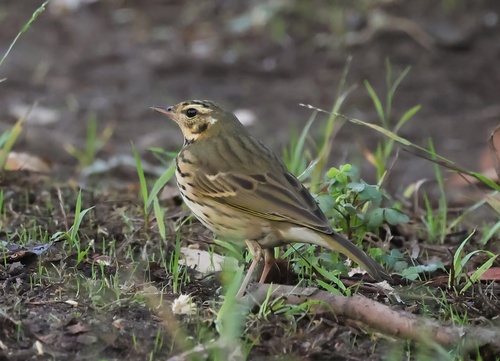 petinha-silvestre
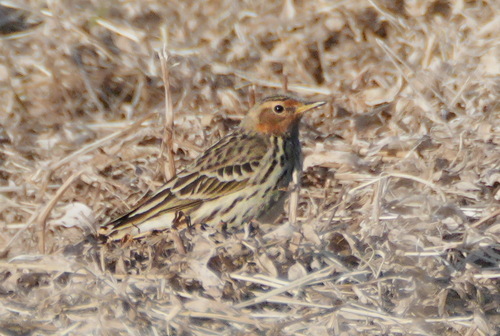 petinha-de-garganta-ruiva
Em resumo
A marca de campo mais confiável entre a petinha-silvestre e a petinha-de-garganta-ruiva é o padrão geral das costas e da cabeça: a petinha-silvestre apresenta uma costa mais em tom de oliva, menos riscada, e um supercílios pálido bem marcado, enquanto a petinha-de-garganta-ruiva é muito mais riscada acima, com listras de manto óbvias e uma coroa e costas mais extensivamente riscadas. Na plumagem de reprodução, os adultos da petinha-de-garganta-ruiva têm um rosto e garganta de um vermelho tijolo distinto, mas em plumagens não reprodutivas e imaturas, ambas as espécies podem parecer semelhantes e são melhor separadas pelo grau e padrão de riscas. Ambas são pequenas pipits com estrutura semelhante, mas a atenção cuidadosa à coloração das partes superiores e às riscas é fundamental, especialmente no outono e inverno, quando a confusão é mais provável.
Dicas de identificação
- Riscas nas costas e no manto: A petinha-silvestre tem uma costa mais em tom de oliva, menos riscada, enquanto a petinha-de-garganta-ruiva é fortemente riscada acima, com listras de manto pálidas óbvias. Esta é a marca mais confiável em todas as idades, exceto na petinha-de-garganta-ruiva adulta em reprodução.
- Supercílios: A petinha-silvestre apresenta um supercílios pálido bem marcado que contrasta fortemente com a coroa e as coberturas auriculares; o supercílios da petinha-de-garganta-ruiva é menos distinto, muitas vezes borrado por riscas pesadas na cabeça.
- Riscas na cabeça e na coroa: A petinha-de-garganta-ruiva tem uma coroa e nuca muito mais riscadas, dando uma aparência 'listrada' a toda a cabeça; a petinha-silvestre tem uma cabeça mais limpa.
- Cor da garganta na plumagem de reprodução: A petinha-de-garganta-ruiva adulta na plumagem de reprodução tem um rosto e garganta vermelho tijolo, único entre as pipits na região. A petinha-silvestre nunca apresenta vermelho.
- Riscas nas partes inferiores: Ambas as espécies são riscadas abaixo, mas a petinha-de-garganta-ruiva é mais fortemente marcada nas laterais, peito e barriga, com riscas pretas em um fundo branco; a petinha-silvestre é riscada principalmente no peito e nas laterais, muitas vezes em uma base mais clara.
- Faixas nas asas e padrão da cauda: Ambas apresentam faixas duplas pálidas nas asas e penas de cauda brancas, mas estas não são confiáveis para separação.
- Estilo de voo: A petinha-silvestre tem um voo irregular e ondulante, mas isso se sobrepõe a outras pipits; a petinha-de-garganta-ruiva é descrita como forte e direta no voo, mas isso é sutil e não diagnóstico.
- Comportamento de empoleiramento: A petinha-silvestre pode empoleirar-se mais prontamente em árvores, especialmente quando assustada, mas ambas podem ser encontradas no chão ou em vegetação baixa.
- Contexto do habitat: Em habitats de floresta ou borda de floresta, a petinha-silvestre é mais provável; em tundra aberta, pastagens ou campos agrícolas, especialmente no extremo norte ou durante a migração, a petinha-de-garganta-ruiva é mais provável.
- Canto: O 'tseep' ou 'spek' da petinha-silvestre é mais agudo e rápido do que a petinha-das-árvores, enquanto o 'psii' da petinha-de-garganta-ruiva é mais fino e prolongado. Use com cautela, a menos que esteja familiarizado com ambas.
- Estação e localização: A estação de reprodução no extremo norte (tundra) aponta para a petinha-de-garganta-ruiva; em áreas florestais da Ásia, a petinha-silvestre é mais provável. No inverno e durante a migração, ambas podem se sobrepor no Sudeste Asiático.
- Sexo e idade: Apenas o macho adulto da petinha-de-garganta-ruiva na plumagem de reprodução apresenta a garganta vermelha; todas as outras idades e sexos são riscadas em marrom acima e abaixo, então confie nas riscas e no supercílios.
- Armadilhas: Os juvenis e os pássaros do primeiro inverno de ambas as espécies são os mais facilmente confundidos; concentre-se na densidade e extensão das riscas das partes superiores e na clareza do supercílios.
- Não tamanho: Não confie no tamanho ou estrutura para separação, pois ambas são muito semelhantes em massa e proporções.
- Não fórmula de asa: Nenhum padrão de asa distinto ou diferenças na projeção primária são notadas nas fontes para separação em campo.
Tamanho
Ambas as espécies são pequenas pipits, com a petinha-silvestre apresentando uma massa corporal registrada de 22,0g [wikidata]. Não há massa direta dada para a petinha-de-garganta-ruiva nas fontes, mas seu tamanho e estrutura geral são muito semelhantes e não são separáveis de forma confiável em campo apenas pelo tamanho.
Plumagem
Os pássaros juvenis e do primeiro inverno de ambas as espécies podem ser confusos, mas a petinha-silvestre sempre apresenta uma costa mais em tom de oliva com menos riscas extensivas e um supercílios pálido mais bem definido. A petinha-de-garganta-ruiva, em todas as plumagens não reprodutivas e imaturas, é fortemente riscada na coroa, costas, rabo e laterais, com listras de manto pálidas que podem se destacar em plumagem fresca. Na plumagem de reprodução, a petinha-de-garganta-ruiva adulta é inconfundível com seu rosto e garganta vermelho tijolo, enquanto a petinha-silvestre nunca apresenta vermelho. Abaixo, ambas têm riscas, mas a petinha-de-garganta-ruiva é mais fortemente marcada, especialmente nas laterais e no peito. Ambas têm penas de cauda brancas e faixas duplas nas asas, mas estas não são tão diagnósticas quanto o padrão das partes superiores e da cabeça.
Comportamento
Ambas as espécies são pipits que se alimentam no chão, frequentemente vistas sozinhas ou em pares, correndo no chão e voando para árvores ou arbustos quando perturbadas. A petinha-silvestre é notada por seu voo irregular e ondulante, enquanto a petinha-de-garganta-ruiva é descrita como tendo um voo forte e direto. Esses estilos de voo se sobrepõem e não são confiáveis para separação. Ambas as espécies podem empoleirar-se em árvores, mas a petinha-silvestre pode fazê-lo mais prontamente.
Habitat
A petinha-silvestre se reproduz em toda a Ásia do sul, centro-norte e oriental, bem como no nordeste da Rússia europeia, e inverna no sul da Ásia e na Indonésia. A petinha-de-garganta-ruiva se reproduz muito mais ao norte, no extremo norte da Europa, na região paleártica e no Alasca setentrional, e inverna na África, Sudeste Asiático e Alasca ocidental. Embora suas áreas de invernada possam se sobrepor no Sudeste Asiático, a petinha-silvestre é mais provável em habitats de floresta ou borda de floresta, enquanto a petinha-de-garganta-ruiva prefere tundra aberta ou pastagens na estação de reprodução e áreas abertas no inverno. No entanto, ambas podem ocorrer juntas em habitats abertos durante a migração.
Voz
A petinha-silvestre emite um único chamado 'tseep' ou 'spek', semelhante ao da petinha-das-árvores, mas mais rápido e agudo. Sua canção é semelhante à de uma cotovia e é emitida em voo. A petinha-de-garganta-ruiva emite um chamado característico 'psii' em voo. Ambos os chamados são agudos e podem ser difíceis de separar sem experiência, mas o chamado da petinha-de-garganta-ruiva é frequentemente descrito como mais fino e prolongado.
petinha-silvestre · petinha-de-garganta-ruiva · Minhas aves difíceis