

Prispolone indiano vs Pispola golarossa
Anthus hodgsoni contro Anthus cervinus
Fai un quiz con Prispolone indiano e Pispola golarossa
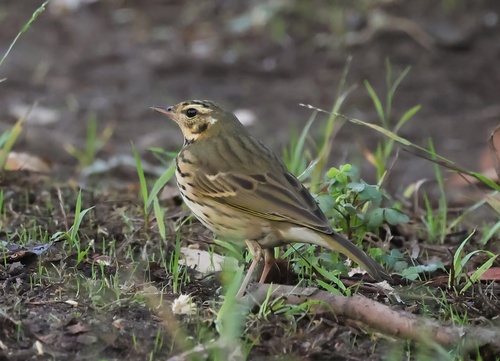 Prispolone indiano
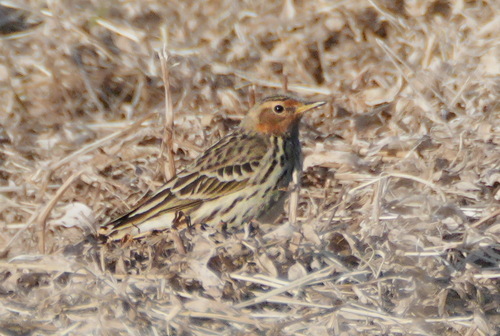 Pispola golarossa
In breve
Il segno di campo più affidabile tra Prispolone indiano e Pispola golarossa è il modello generale della schiena e della testa: il Prispolone indiano mostra una schiena di tonalità più oliva, meno striata e un supercilium pallido ben definito, mentre la Pispola golarossa è molto più striata sopra, con strisce evidenti sul mantello e un cappuccio e una schiena più estensivamente striati. In abito nuziale, gli adulti della Pispola golarossa hanno un volto e una gola di un rosso mattone distintivo, ma negli abiti non nuziali e immaturi, entrambe le specie possono sembrare simili e sono meglio separate dal grado e dal modello di striature. Entrambi sono piccoli prispoloni con una struttura simile, ma prestare attenzione al colore della parte superiore e alle striature è fondamentale, specialmente in autunno e inverno quando la confusione è più probabile.
Consigli di identificazione
- Back and mantle streaking: Il Prispolone indiano ha una schiena di tonalità più oliva, meno striata, mentre la Pispola golarossa è pesantemente striata sopra, con evidenti strisce pallide sul mantello. Questo è il segno più affidabile in tutte le età tranne che per la Pispola golarossa adulta in abito nuziale.
- Supercilium: Il Prispolone indiano mostra un supercilium pallido ben definito che contrasta fortemente con la corona e le copritrici auricolari; il supercilium della Pispola golarossa è meno distinto, spesso offuscato da pesanti striature sulla testa.
- Head and cap streaking: La Pispola golarossa ha un cappuccio e una nuca molto più striati, dando un aspetto 'strisciato' all'intera testa; il Prispolone indiano ha una testa più pulita.
- Breeding plumage throat color: L'adulto della Pispola golarossa in abito nuziale ha un volto e una gola di un rosso mattone, unico tra i prispoloni nella regione. Il Prispolone indiano non mostra mai rosso.
- Underpart streaking: Entrambe le specie sono striate sotto, ma la Pispola golarossa è più pesantemente marcata sui fianchi, sul petto e sull'addome, con striature nere su uno sfondo bianco; il Prispolone indiano è striato principalmente sul petto e sui fianchi, spesso su una base più chiara.
- Wingbars and tail pattern: Entrambi mostrano doppie strisce alari pallide e penne esterne della coda bianche, ma queste non sono affidabili per la separazione.
- Flight style: Il Prispolone indiano ha un volo irregolare e ondulato, ma questo si sovrappone ad altri prispoloni; la Pispola golarossa è descritta come forte e diretta nel volo, ma questo è sottile e non diagnostico.
- Perching behavior: Il Prispolone indiano può posarsi più facilmente sugli alberi, specialmente quando spaventato, ma entrambi possono essere trovati a terra o in vegetazione bassa.
- Habitat context: Negli habitat boschivi o ai margini delle foreste, è più probabile trovare il Prispolone indiano; nella tundra aperta, nei prati o nei campi agricoli, specialmente nel far nord o durante la migrazione, è più probabile trovare la Pispola golarossa.
- Call: Il 'tseep' o 'spek' del Prispolone indiano è di tono più alto e più veloce rispetto al Prispolone, mentre il 'psii' della Pispola golarossa è più sottile e più prolungato. Usare con cautela a meno che non si sia familiari con entrambi.
- Season and location: La stagione di nidificazione nel far nord (tundra) indica la Pispola golarossa; nelle aree boschive dell'Asia, è più probabile trovare il Prispolone indiano. In inverno e durante la migrazione, entrambi possono sovrapporsi nel Sud-est asiatico.
- Sex and age: Solo il maschio adulto della Pispola golarossa in abito nuziale mostra la gola rossa; tutte le altre età e sessi sono striati di marrone sopra e sotto, quindi fare affidamento sulle striature e sul supercilium.
- Pitfalls: Gli uccelli giovanili e di primo inverno di entrambe le specie sono i più facilmente confondibili; concentrarsi sulla densità e sull'estensione delle striature della parte superiore e sulla chiarezza del supercilium.
- Not size: Non fare affidamento su dimensioni o struttura per la separazione, poiché entrambi sono molto simili in massa e proporzioni.
- Not wing formula: Non sono state notate differenze distintive nel modello delle ali o nella proiezione primaria nelle fonti per la separazione sul campo.
Taglia
Entrambe le specie sono piccoli prispoloni, con il Prispolone indiano che ha una massa corporea registrata di 22.0g [wikidata]. Non è stata fornita una massa diretta per la Pispola golarossa nelle fonti, ma la loro dimensione e struttura complessive sono molto simili e non sono affidabilmente separabili sul campo solo per dimensione.
Piumaggio
Gli uccelli giovanili e di primo inverno di entrambe le specie possono essere confusi, ma il Prispolone indiano mostra sempre una schiena di tonalità più oliva con meno striature estese e un supercilium pallido meglio definito. La Pispola golarossa, in tutti gli abiti non nuziali e immaturi, è pesantemente striata sul cappuccio, sulla schiena, sul dorso e sui fianchi, con strisce pallide sul mantello che possono risaltare in abito fresco. In abito nuziale, l'adulto della Pispola golarossa è inconfondibile con il suo volto e la sua gola rossi mattone, mentre il Prispolone indiano non mostra mai rosso. Sotto, entrambe hanno striature, ma la Pispola golarossa è più pesantemente marcata, specialmente sui fianchi e sul petto. Entrambi hanno penne esterne della coda bianche e doppie strisce alari, ma queste non sono diagnostiche come il modello della parte superiore e della testa.
Comportamento
Entrambe le specie sono prispoloni che si nutrono a terra, spesso visti singolarmente o in coppie, correndo a terra e volando su alberi o arbusti quando disturbati. Il Prispolone indiano è noto per il suo volo irregolare e ondulato, mentre la Pispola golarossa è descritta come avente un volo forte e diretto. Questi stili di volo si sovrappongono e non sono affidabili per la separazione. Entrambe le specie possono posarsi sugli alberi, ma il Prispolone indiano potrebbe farlo più facilmente.
Habitat
Il Prispolone indiano nidifica in tutta l'Asia meridionale, centro-settentrionale ed orientale, così come nella Russia europea nord-orientale, e sverna in Asia meridionale e Indonesia. La Pispola golarossa nidifica molto più a nord, nel far nord dell'Europa, nel Paleartico e nell'Alaska settentrionale, e sverna in Africa, nel Sud-est asiatico e nell'Alaska occidentale. Anche se i loro territori di svernamento possono sovrapporsi nel Sud-est asiatico, il Prispolone indiano è più probabile trovarlo in habitat boschivi o ai margini delle foreste, mentre la Pispola golarossa preferisce tundra aperta o prati nella stagione di nidificazione e campi aperti in inverno. Tuttavia, entrambi possono verificarsi insieme in habitat aperti durante la migrazione.
Voce
Il Prispolone indiano emette un singolo richiamo 'tseep' o 'spek', simile al Prispolone ma più veloce e di tono più alto. Il suo canto è simile a quello di un allodola e viene emesso in volo. La Pispola golarossa emette un richiamo caratteristico 'psii' in volo. Entrambi i richiami sono acuti e possono essere difficili da separare senza esperienza, ma il richiamo della Pispola golarossa è spesso descritto come più sottile e più prolungato.
Prispolone indiano · Pispola golarossa · I miei uccelli difficili