

Motmot

ビンズイ 対 ムネアカタヒバリ

Anthus hodgsoni 対 Anthus cervinus

ビンズイとムネアカタヒバリのクイズ
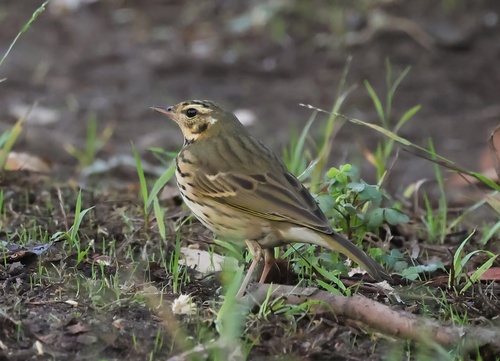
ビンズイ (Anthus hodgsoni) ビンズイ
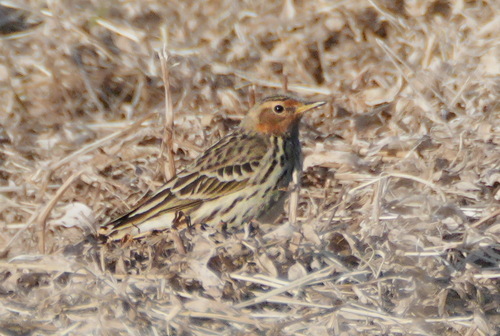
ムネアカタヒバリ (Anthus cervinus) ムネアカタヒバリ

メディア

読み込み中…

要点

オリーブバックビンズイとムネアカタヒバリの最も信頼できるフィールドマークは、全体の背中と頭のパターンです:オリーブバックビンズイは、よりオリーブトーンで、ストライプが少ない背中と、はっきりとした淡いスーパシリウムを示しますが、ムネアカタヒバリは、上部がはるかに重くストライプが入っており、明らかなマントルストライプと、より広範囲にストライプの入ったキャップと背中を持っています。繁殖羽毛では、ムネアカタヒバリの成鳥は独特のレンガ色の顔と喉を持っていますが、非繁殖期や未熟な羽毛では、両種は似て見えることがあり、ストライプの程度とパターンによって分けるのが最適です。両者は構造が似た小型のビンズイですが、特に秋と冬に混乱が最も起こりやすい時期には、上部の色合いとストライプに注意を払うことが重要です。

識別のコツ

  1. 背中とマントルのストライプ:オリーブバックビンズイは、よりオリーブトーンで、ストライプが少ない背中を持ち、ムネアカタヒバリは上部が重くストライプが入っており、明らかな淡いマントルストライプがあります。これは、成鳥の繁殖期のムネアカタヒバリを除くすべての年齢で最も信頼できるマークです。
  2. スーパシリウム:オリーブバックビンズイは、頭頂と耳羽と強く対比するはっきりとした淡いスーパシリウムを示しますが、ムネアカタヒバリのスーパシリウムはあまり明確でなく、頭の重いストライプによってぼやけていることがよくあります。
  3. 頭とキャップのストライプ:ムネアカタヒバリは、キャップと後頭部により多くのストライプがあり、全体の頭に「ストライプ状」の外観を与えます;オリーブバックビンズイは、頭がきれいです。
  4. 繁殖羽毛の喉の色:繁殖羽毛の成鳥ムネアカタヒバリは、地域のビンズイの中でユニークなレンガ色の顔と喉を持っています。オリーブバックビンズイは赤を示しません。
  5. 下部のストライプ:両種は下部にストライプがありますが、ムネアカタヒバリは脇腹、胸、お腹により重くマークされており、白い背景に黒いストライプがあります;オリーブバックビンズイは主に胸と脇腹にストライプがあり、しばしばより淡い基盤の上にあります。
  6. 翼帯と尾のパターン:両者は二重の淡い翼帯と白っぽい外尾羽を示しますが、これらは分離には信頼できません。
  7. 飛行スタイル:オリーブバックビンズイは、ぎこちなく波打つような飛行を持っていますが、これは他のビンズイと重なります;ムネアカタヒバリは、強く直接的な飛行と説明されますが、これは微妙で診断的ではありません。
  8. 止まり方:オリーブバックビンズイは、特に追い立てられたときに木に止まることが多いですが、両者は地面や低い植生の中に見られることがあります。
  9. 生息地の文脈:森林や森林の縁の生息地では、オリーブバックビンズイがより可能性が高いです;開けたツンドラ、草原、または農地、特に北の果てや移動中では、ムネアカタヒバリがより可能性が高いです。
  10. 鳴き声:オリーブバックビンズイの「ツィープ」または「スペック」は、ヨーロッパビンズイよりも高音で速いですが、ムネアカタヒバリの「プシー」は細く、より引き延ばされています。両者に慣れていない限り、注意して使用してください。
  11. 季節と場所:北の果て(ツンドラ)での繁殖期はムネアカタヒバリを指し、アジアの森林地域ではオリーブバックビンズイがより可能性が高いです。冬と移動中は、両者が東南アジアで重なることがあります。
  12. 性別と年齢:繁殖羽毛の成鳥オスのムネアカタヒバリのみが赤い喉を示します;他のすべての年齢と性別は、上部と下部が茶色のストライプであるため、ストライプとスーパシリウムに依存してください。
  13. 落とし穴:両種の幼鳥と初冬の鳥は最も混乱しやすいです;上部のストライプの密度と範囲、スーパシリウムの明瞭さに焦点を当ててください。
  14. サイズではない:サイズや構造に依存して分離しないでください。両者は質量と比率が非常に似ています。
  15. 翼のフォーミュラではない:フィールド分離のための情報源には、特異な翼のパターンや一次投影の違いは記載されていません。

大きさ

両種は小型のビンズイで、オリーブバックビンズイの記録された体重は22.0gです [wikidata]。情報源にはムネアカタヒバリの直接的な体重は記載されていませんが、全体のサイズと構造は非常に似ており、サイズだけでフィールドで信頼できる分離はできません。

羽色

両種の幼鳥と初冬の鳥は混乱しやすいですが、オリーブバックビンズイは常によりオリーブトーンの背中を示し、ストライプが少なく、より明確な淡いスーパシリウムを持っています。ムネアカタヒバリは、すべての非繁殖期と未熟な羽毛で、キャップ、背中、尾、脇腹に重くストライプが入っており、新しい羽毛では淡いマントルストライプが目立つことがあります。繁殖羽毛では、成鳥のムネアカタヒバリはレンガ色の顔と喉で明確であり、オリーブバックビンズイは赤を示しません。下部では、両者にストライプがありますが、ムネアカタヒバリは特に脇腹と胸でより重くマークされています。両者は白っぽい外尾羽と二重の翼帯を持っていますが、これらは上部と頭のパターンほど診断的ではありません。

行動

両種は地面で餌を取るビンズイで、しばしば単独またはペアで見られ、地面を走り、動揺したときに木や低木に飛び上がります。オリーブバックビンズイは、ぎこちなく波打つような飛行が特徴ですが、ムネアカタヒバリは強く直接的な飛行と説明されます。これらの飛行スタイルは重なり合い、分離には信頼できません。両種は木に止まることができますが、オリーブバックビンズイはより容易にそうするかもしれません。

生息環境

オリーブバックビンズイは、南部、北中部、東アジア、ならびに北東ヨーロッパロシアで繁殖し、南アジアとインドネシアで冬を越します。ムネアカタヒバリは、ヨーロッパの北端、ユーラシア、北アラスカでずっと北で繁殖し、アフリカ、東南アジア、西アラスカで冬を越します。冬の生息範囲は東南アジアで重なることがありますが、オリーブバックビンズイは森林や森林の縁の生息地でより可能性が高く、ムネアカタヒバリは繁殖期に開けたツンドラや草原、冬には開けた国を好みます。しかし、両者は移動中に開けた生息地で一緒に見られることがあります。

声

オリーブバックビンズイは、単一の「ツィープ」または「スペック」の鳴き声を出し、ヨーロッパビンズイに似ていますが、より速く高音です。その歌はひな鳥のようで、飛行中に発せられます。ムネアカタヒバリは、飛行中に特徴的な「プシー」の鳴き声を出します。両者の鳴き声は高音で、経験がないと分けるのが難しいですが、ムネアカタヒバリの鳴き声はしばしば細く、より引き延ばされていると説明されます。

より良い説明を送る

比較と同じ項目を使ってください。文章はすぐに公開されます。

The most reliable field mark between Olive-backed Pipit and Red-throated Pipit is the overall back and head pattern: Olive-backed Pipit shows a more olive-toned, less streaked back and a sharply marked pale supercilium, while Red-throated Pipit is much more heavily streaked above, with obvious mantle stripes and a more extensively streaked cap and back. In breeding plumage, Red-throated Pipit adults have a distinctive brick-red face and throat, but in non-breeding and immature plumages, both species can look similar and are best separated by the degree and pattern of streaking. Both are small pipits with similar structure, but careful attention to upperpart coloration and streaking is key, especially in autumn and winter when confusion is most likely.

  1. Back and mantle streaking: Olive-backed Pipit has a more olive-toned, less streaked back, while Red-throated Pipit is heavily streaked above, with obvious pale mantle stripes. This is the single most reliable mark in all ages except adult breeding Red-throated Pipit.
  2. Supercilium: Olive-backed Pipit shows a well-marked, pale supercilium that contrasts strongly with the crown and ear coverts; Red-throated Pipit's supercilium is less distinct, often blurred by heavy streaking on the head.
  3. Head and cap streaking: Red-throated Pipit has a much more streaked cap and nape, giving a 'striped' look to the whole head; Olive-backed Pipit is cleaner-headed.
  4. Breeding plumage throat color: Adult Red-throated Pipit in breeding plumage has a brick-red face and throat, unique among pipits in the region. Olive-backed Pipit never shows any red.
  5. Underpart streaking: Both species are streaked below, but Red-throated Pipit is more heavily marked on the flanks, chest, and belly, with black streaks on a white background; Olive-backed Pipit is streaked mainly on the breast and flanks, often on a buffier base.
  6. Wingbars and tail pattern: Both show double pale wingbars and whitish outer tail feathers, but these are not reliable for separation.
  7. Flight style: Olive-backed Pipit has a jerky, undulating flight, but this overlaps with other pipits; Red-throated Pipit is described as strong and direct in flight, but this is subtle and not diagnostic.
  8. Perching behavior: Olive-backed Pipit may perch more readily in trees, especially when flushed, but both can be found on the ground or in low vegetation.
  9. Habitat context: In wooded or forest edge habitats, Olive-backed Pipit is more likely; in open tundra, grassland, or agricultural fields, especially in the far north or on migration, Red-throated Pipit is more likely.
  10. Call: Olive-backed Pipit's 'tseep' or 'spek' is higher-pitched and faster than Tree Pipit, while Red-throated Pipit's 'psii' is thinner and more drawn-out. Use with caution unless familiar with both.
  11. Season and location: Breeding season in the far north (tundra) points to Red-throated Pipit; in wooded areas of Asia, Olive-backed Pipit is more likely. In winter and on migration, both can overlap in Southeast Asia.
  12. Sex and age: Only adult male Red-throated Pipit in breeding plumage shows the red throat; all other ages and sexes are streaked brown above and below, so rely on streaking and supercilium.
  13. Pitfalls: Juvenile and first-winter birds of both species are most easily confused; focus on the density and extent of upperpart streaking and the clarity of the supercilium.
  14. Not size: Do not rely on size or structure for separation, as both are very similar in mass and proportions.
  15. Not wing formula: No distinctive wing pattern or primary projection differences are noted in the sources for field separation.

Both species are small pipits, with Olive-backed Pipit having a recorded body mass of 22.0g [wikidata]. There is no direct mass given for Red-throated Pipit in the sources, but their overall size and structure are very similar and not reliably separable in the field by size alone.

Juvenile and first-winter birds of both species can be confusing, but Olive-backed Pipit always shows a more olive-toned back with less extensive streaking, and a better-defined pale supercilium. Red-throated Pipit, in all non-breeding and immature plumages, is heavily streaked on the cap, back, rump, and flanks, with pale mantle stripes that can stand out in fresh plumage. In breeding plumage, adult Red-throated Pipit is unmistakable with its brick-red face and throat, while Olive-backed Pipit never shows any red. Below, both have streaking, but Red-throated Pipit is more heavily marked, especially on the flanks and chest. Both have whitish outer tail feathers and double wingbars, but these are not as diagnostic as the upperpart and head pattern.

Both species are ground-feeding pipits, often seen singly or in pairs, running on the ground and flying up into trees or shrubs when disturbed. Olive-backed Pipit is noted for its jerky, undulating flight, while Red-throated Pipit is described as having a strong, direct flight. These flight styles overlap and are not reliable for separation. Both species can perch in trees, but Olive-backed Pipit may do so more readily.

Olive-backed Pipit breeds across southern, north-central, and eastern Asia, as well as northeastern European Russia, and winters in southern Asia and Indonesia. Red-throated Pipit breeds much farther north, in the far north of Europe, the Palearctic, and northern Alaska, and winters in Africa, Southeast Asia, and western Alaska. While their wintering ranges can overlap in Southeast Asia, Olive-backed Pipit is more likely in wooded or forest edge habitats, while Red-throated Pipit favors open tundra or grassland in the breeding season and open country in winter. However, both can occur together in open habitats on migration.

Olive-backed Pipit gives a single 'tseep' or 'spek' call, similar to Tree Pipit but faster and higher-pitched. Its song is lark-like and delivered in flight. Red-throated Pipit gives a characteristic 'psii' call in flight. Both calls are high-pitched and can be hard to separate without experience, but Red-throated Pipit's call is often described as thinner and more drawn-out.

変更を破棄しますか?

保存していない編集があります。今離れると失われます。

ビンズイ · ムネアカタヒバリ · 苦手な鳥