

northern rough-winged swallow vs cave swallow
Stelgidopteryx serripennis versus Petrochelidon fulva
Jogue um quiz com northern rough-winged swallow e cave swallow
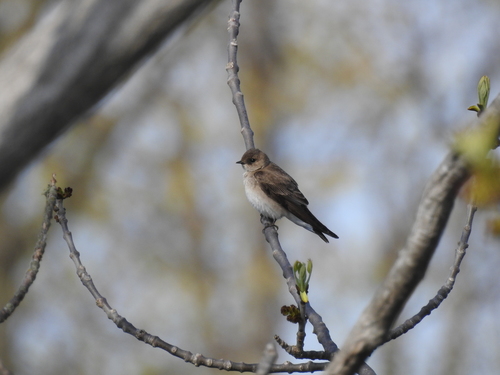 northern rough-winged swallow
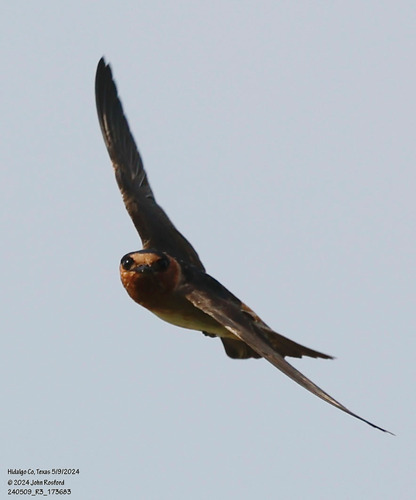 cave swallow
Em resumo
A marca de campo mais confiável entre northern rough-winged swallow e cave swallow é a cor da garganta e do rosto: northern rough-winged swallow apresenta uma garganta e um rosto de cor cinza ou marrom-acinzentado, enquanto cave swallow tem uma testa e garganta brilhantes, de cor marrom-tangerina ou ruiva, que se destacam em boa luz. Os juvenis de northern rough-winged swallow podem apresentar faixas alaranjadas fracas nas asas, uma característica ausente em cave swallow. Em voo, note a forma da cauda: northern rough-winged swallow tem uma cauda sutilmente bifurcada, enquanto a cauda de cave swallow é mais quadrada. Cave swallow também parece mais compacta e tem partes superiores azul-cinza, ao contrário das partes superiores uniformemente marrons de northern rough-winged swallow. Ambas as espécies podem ser vistas perto de água ou estruturas feitas pelo homem, mas cave swallow é mais provável de ser encontrada nidificando em cavernas, buracos ou sob pontes no sul dos EUA e no México.
Dicas de identificação
- Cor da garganta e da testa (todas as idades): northern rough-winged swallow tem uma garganta e testa de cor cinza ou marrom-acinzentado; cave swallow mostra uma testa e garganta brilhantes de cor marrom-tangerina ou ruiva, frequentemente visíveis mesmo à distância em boa luz.
- Contraste facial: O rosto de cave swallow é mais padronizado e colorido, com uma testa ruiva distinta e bochechas claras, enquanto o rosto de northern rough-winged swallow é simples e carece de contraste forte.
- Faixas nas asas de juvenis: Juvenis de northern rough-winged swallow podem mostrar faixas alaranjadas fracas, uma característica ausente em cave swallow. Procure por isso no final do verão ou no início do outono.
- Cor das partes superiores: northern rough-winged swallow é uniformemente marrom por cima; cave swallow tem partes superiores azul-cinza que podem parecer brilhantes sob a luz do sol.
- Forma da cauda: northern rough-winged swallow tem uma cauda sutilmente bifurcada; a cauda de cave swallow é mais quadrada. Isso é mais óbvio em voo ou quando empoleirada com a cauda espalhada.
- Partes inferiores: Ambas são claras por baixo, mas northern rough-winged swallow é branca mais limpa com uma garganta acinzentada, enquanto cave swallow pode mostrar uma coloração mais quente e amarelada na barriga e uma garganta ruiva.
- Bico: Ambas têm bicos pequenos, mas isso não é uma marca de campo forte para separação.
- Tamanho e estrutura: cave swallow parece mais robusta e compacta, especialmente quando empoleirada; northern rough-winged swallow é mais esbelta e com asas mais longas.
- Estilo de voo: cave swallow pode parecer mais flutuante e agitada em voo, enquanto northern rough-winged swallow é mais direta e menos errática.
- Contexto de habitat: No sul dos EUA e no México, cave swallow é frequentemente encontrada nidificando em cavernas, buracos ou sob pontes; northern rough-winged swallow prefere margens, beiras de lagos e água aberta, às vezes usando tubos ou bueiros, mas raramente cavernas.
- Tamanho do bando: cave swallow é mais provável de ser vista em colônias maiores e mais densas, especialmente perto de locais de nidificação; northern rough-winged swallow é mais solitária ou em grupos soltos.
- Ocorrência sazonal: cave swallow é uma especialidade do sul, com vagantes alcançando o Golfo e as costas leste no outono e inverno; northern rough-winged swallow é amplamente distribuída na primavera e no verão em toda a América do Norte.
- Diferenças sexuais: Não é útil em campo; ambas as espécies são semelhantes em plumagem entre os sexos.
- Voz: Não é diagnóstica com base nas fontes disponíveis.
- Armadilhas: Em luz fraca, a garganta e a testa ruivas de cave swallow podem ser difíceis de ver, fazendo-a parecer mais simples; sempre verifique a cor do rosto e da garganta em boa luz. Juvenis de northern rough-winged swallow podem parecer especialmente simples, mas faixas fracas nas asas podem ajudar.
Tamanho
Northern rough-winged swallow é ligeiramente mais leve, com uma massa corporal média de 13,9 g [wikidata], enquanto cave swallow tem uma média de cerca de 19 g [wikipedia]. Ambas são semelhantes em comprimento (northern rough-winged swallow: 13–15 cm; cave swallow: 12–14 cm), mas cave swallow tende a parecer mais robusta e compacta, especialmente quando empoleirada. A envergadura não é comparada diretamente, mas as subespécies de cave swallow da América do Norte têm asas relativamente longas para seu tamanho.
Plumagem
- Pássaros juvenis/imaturos: Juvenis de northern rough-winged swallow podem mostrar faixas alaranjadas fracas, especialmente visíveis em plumagem fresca; juvenis de cave swallow não possuem essa característica e se assemelham a adultos em padrão.
- Adultos: northern rough-winged swallow é marrom por cima com partes inferiores brancas, uma garganta acinzentada ou marrom-acinzentada, e um rosto simples. cave swallow tem partes superiores azul-cinza, uma testa e garganta contrastantes de cor marrom-tangerina (ruiva), e uma barriga mais clara. O padrão facial é muito mais marcante em cave swallow, com a testa ruiva frequentemente refletindo a luz. A cauda é sutilmente bifurcada em northern rough-winged swallow, mas mais quadrada em cave swallow. Os sexos são semelhantes em ambas as espécies, mas machos de northern rough-winged swallow têm coberturas de cauda mais longas (não é uma marca de campo em vistas normais).
Comportamento
Ambas as espécies são insetívoras aéreas, frequentemente vistas forrageando sobre água ou áreas abertas. northern rough-winged swallow tende a ser solitária ou em grupos soltos, frequentemente empoleirando-se sozinha ou em pequenos números. cave swallow é mais colonial, especialmente em locais de nidificação, e pode ser vista em bandos maiores e mais densos, especialmente perto de pontes, bueiros ou entradas de cavernas. Em voo, cave swallow pode parecer mais flutuante e compacta, enquanto northern rough-winged swallow tem um voo mais direto e menos agitado.
Habitat
Northern rough-winged swallow é amplamente distribuída na América do Norte, nidificando perto de água, margens, e às vezes em ambientes urbanos, frequentemente nidificando em tocas ou cavidades em margens ou estruturas feitas pelo homem. cave swallow é mais localizada no sul dos EUA, México e Caribe, com uma forte preferência por nidificar em cavernas, buracos e sob pontes ou bueiros. Se vista na entrada de uma caverna ou sob uma ponte de rodovia no Texas ou no sudoeste, cave swallow é mais provável; northern rough-winged swallow é mais provável ao longo de riachos, lagos ou em áreas abertas longe de cavernas.
northern rough-winged swallow · cave swallow · Minhas aves difíceis