

Northern Rough-winged Swallow vs Cave Swallow
Stelgidopteryx serripennis contro Petrochelidon fulva
Fai un quiz con Northern Rough-winged Swallow e Cave Swallow
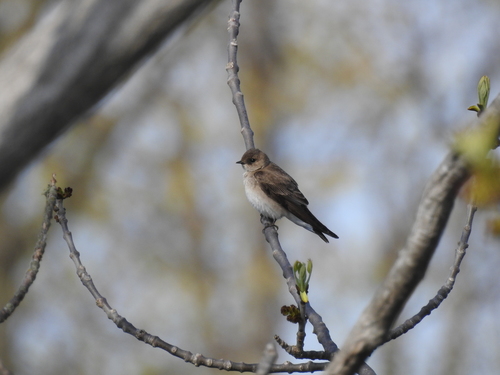 Northern Rough-winged Swallow
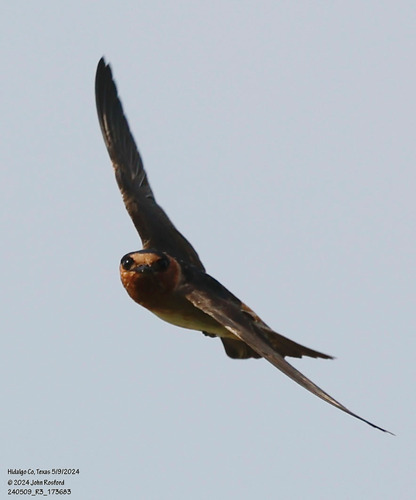 Cave Swallow
In breve
Il segno distintivo più affidabile tra Northern Rough-winged Swallow e Cave Swallow è il colore della gola e del viso: Northern Rough-winged Swallow mostra una gola e un viso di colore uniforme, grigio scuro o marrone-grigiastro, mentre Cave Swallow ha una fronte e una gola di un brillante colore marrone-arancio o ruggine che risaltano in buona luce. I giovani Northern Rough-winged Swallows possono mostrare deboli barre alari rossastre, una caratteristica assente in Cave Swallow. In volo, nota la forma della coda: Northern Rough-winged Swallow ha una coda leggermente forked, mentre la coda di Cave Swallow è più squadrata. Cave Swallow appare anche più compatto e ha parti superiori blu-grigie, a differenza delle parti superiori uniformemente marroni di Northern Rough-winged Swallow. Entrambe le specie possono essere viste vicino all'acqua o a strutture artificiali, ma Cave Swallow è più probabile che venga trovata a nidificare in grotte, doline o sotto ponti nel sud degli Stati Uniti e in Messico.
Consigli di identificazione
- Colore della gola e della fronte (tutte le età): Northern Rough-winged Swallow ha una gola e una fronte di colore uniforme, grigio scuro o marrone-grigiastro; Cave Swallow mostra una brillante fronte e gola marrone-arancio o ruggine, spesso visibili anche da lontano in buona luce.
- Contrasto facciale: Il viso di Cave Swallow è più decorato e colorato, con una distinta fronte ruggine e guancia chiara, mentre il viso di Northern Rough-winged Swallow è uniforme e privo di forte contrasto.
- Barre alari giovanili: I giovani Northern Rough-winged Swallows possono mostrare deboli barre alari marrone-rossastre, una caratteristica assente in Cave Swallow. Cerca questo alla fine dell'estate o all'inizio dell'autunno.
- Colore delle parti superiori: Northern Rough-winged Swallow è uniformemente marrone sopra; Cave Swallow ha parti superiori blu-grigie che possono apparire lucide alla luce del sole.
- Forma della coda: Northern Rough-winged Swallow ha una coda leggermente forked; la coda di Cave Swallow è più squadrata. Questo è più evidente in volo o quando è posata con la coda aperta.
- Parti inferiori: Entrambi sono chiari sotto, ma Northern Rough-winged Swallow è di un bianco più pulito con una gola scura, mentre Cave Swallow può mostrare un lavaggio più caldo e buffo sul ventre e una gola ruggine.
- Becco: Entrambi hanno becchi piccoli, ma questo non è un segno distintivo forte per la separazione.
- Dimensioni e struttura: Cave Swallow appare più robusto e compatto, specialmente quando è posato; Northern Rough-winged Swallow è più snello e con ali più lunghe.
- Stile di volo: Cave Swallow può apparire più galleggiante e fluttuante in volo, mentre Northern Rough-winged Swallow ha un volo più diretto e meno erratico.
- Contesto dell'habitat: Nel sud degli Stati Uniti e in Messico, Cave Swallow è spesso trovato a nidificare in grotte, doline o sotto ponti; Northern Rough-winged Swallow preferisce le rive, le sponde dei laghi e le acque aperte, a volte utilizzando tubi o cunicoli ma raramente grotte.
- Dimensione del gruppo: Cave Swallow è più probabile che venga visto in colonie più grandi e più compatte, specialmente vicino ai siti di nidificazione; Northern Rough-winged Swallow è più solitario o in gruppi sciolti.
- Occorrenza stagionale: Cave Swallow è una specialità meridionale, con vagabondi che raggiungono le coste del Golfo e dell'Est in autunno e inverno; Northern Rough-winged Swallow è diffuso in primavera e estate in tutta l'America del Nord.
- Differenze sessuali: Non utile sul campo; entrambe le specie sono simili nel piumaggio tra i sessi.
- Voce: Non diagnostica in base alle fonti disponibili.
- Trappole: In scarsa luce, la gola e la fronte ruggine di Cave Swallow possono essere difficili da vedere, facendola apparire più semplice; controlla sempre il colore del viso e della gola in buona luce. I giovani Northern Rough-winged Swallows possono apparire particolarmente semplici, ma deboli barre alari possono aiutare.
Taglia
Northern Rough-winged Swallow è leggermente più leggero, con una massa corporea media di 13.9 g [wikidata], mentre Cave Swallow ha una media di circa 19 g [wikipedia]. Entrambi sono simili in lunghezza (Northern Rough-winged Swallow: 13–15 cm; Cave Swallow: 12–14 cm), ma Cave Swallow tende ad apparire più robusto e compatto, specialmente quando è posato. L'apertura alare non è confrontata direttamente, ma le sottospecie di Cave Swallow in Nord America hanno ali relativamente lunghe per le loro dimensioni.
Piumaggio
- Uccelli giovanili/immaturi: I giovani Northern Rough-winged Swallows possono mostrare deboli barre alari marrone-rossastre, specialmente visibili nel piumaggio fresco; i giovani di Cave Swallow mancano di questa caratteristica e assomigliano invece agli adulti nel pattern.
- Adulti: Northern Rough-winged Swallow è marrone sopra con parti inferiori bianche, una gola scura o marrone-grigiastro, e un viso semplice. Cave Swallow ha parti superiori blu-grigie, una fronte e una gola marrone-arancio (ruggine) a contrasto, e un ventre più chiaro. Il pattern facciale è molto più sorprendente in Cave Swallow, con la fronte ruggine che spesso cattura la luce. La coda è leggermente forked in Northern Rough-winged Swallow, ma più squadrata in Cave Swallow. I sessi sono simili in entrambe le specie, ma i maschi di Northern Rough-winged Swallow hanno copritrici sottocoda più lunghe (non un segno distintivo in viste normali).
Comportamento
Entrambe le specie sono insetti aerei, spesso viste a caccia sopra l'acqua o in aree aperte. Northern Rough-winged Swallow tende a essere solitario o in gruppi sciolti, spesso posandosi da solo o in piccoli numeri. Cave Swallow è più coloniale, specialmente nei siti di nidificazione, e può essere vista in stormi più grandi e più compatti, specialmente vicino a ponti, cunicoli o ingressi di grotte. In volo, Cave Swallow può apparire più galleggiante e compatta, mentre Northern Rough-winged Swallow ha un volo più diretto e meno fluttuante.
Habitat
Northern Rough-winged Swallow è diffuso in Nord America, nidificando vicino all'acqua, alle rive, e a volte in ambienti urbani, spesso nidificando in tane o cavità nelle rive o in strutture artificiali. Cave Swallow è più localizzata nel sud degli Stati Uniti, in Messico e nei Caraibi, con una forte preferenza per nidificare in grotte, doline e sotto ponti o cunicoli. Se vista all'ingresso di una grotta o sotto un ponte autostradale in Texas o nel Sud-Ovest, è più probabile che sia Cave Swallow; Northern Rough-winged Swallow è più probabile lungo i corsi d'acqua, i laghi o in campagna aperta lontano dalle grotte.
Northern Rough-winged Swallow · Cave Swallow · I miei uccelli difficili