

Motmot

キタオビナシショウドウツバメ 対 セスジツバメ

Stelgidopteryx serripennis 対 Petrochelidon fulva

キタオビナシショウドウツバメとセスジツバメのクイズ
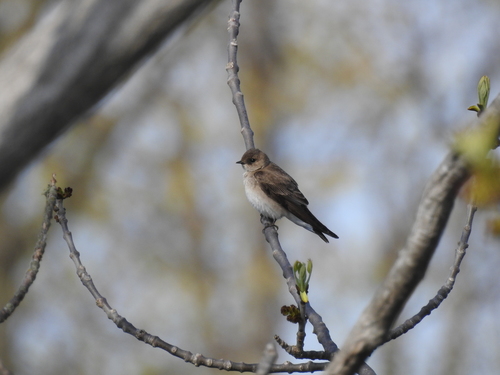
キタオビナシショウドウツバメ (Stelgidopteryx serripennis) キタオビナシショウドウツバメ
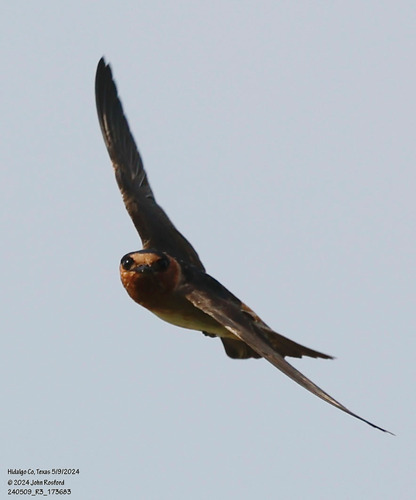
セスジツバメ (Petrochelidon fulva) セスジツバメ

メディア

読み込み中…

要点

キタオビナシショウドウツバメとセスジツバメの最も信頼できるフィールドマークは、喉と顔の色です:キタオビナシショウドウツバメは、平坦で薄暗いまたは茶色がかった灰色の喉と顔を示し、セスジツバメは明るい茶色のタンジェリンまたは赤褐色の額と喉を持ち、良い光の中で際立ちます。幼鳥のキタオビナシショウドウツバメは、セスジツバメには見られない微かな赤みがかった翼帯を示すことがあります。飛行中は、尾の形に注意してください:キタオビナシショウドウツバメは微妙に分かれた尾を持ち、セスジツバメの尾はより四角いです。セスジツバメはまた、よりコンパクトに見え、青灰色の上面を持ち、キタオビナシショウドウツバメの均一に茶色の上面とは異なります。両種は水辺や人工構造物の近くで見られることがありますが、セスジツバメは南部アメリカやメキシコの洞窟、陥没穴、または橋の下に巣を作る可能性が高いです。

識別のコツ

  1. 喉と額の色(全ての年齢): キタオビナシショウドウツバメは平坦で薄暗いまたは茶色がかった灰色の喉と額を持ち、セスジツバメは明るい茶色のタンジェリンまたは赤褐色の額と喉を示し、良い光の中で遠くからでも見えることがよくあります。
  2. 顔のコントラスト: セスジツバメの顔はより模様がありカラフルで、はっきりとした赤褐色の額と淡い頬を持ち、キタオビナシショウドウツバメの顔は平坦で強いコントラストがありません。
  3. 幼鳥の翼帯: 幼鳥のキタオビナシショウドウツバメは微かな赤褐色の翼帯を示すことがあり、これはセスジツバメには見られません。これを遅い夏または初秋に探してください。
  4. 上面の色: キタオビナシショウドウツバメは上面が均一に茶色です;セスジツバメは青灰色の上面を持ち、日光の中で光沢があるように見えることがあります。
  5. 尾の形: キタオビナシショウドウツバメは微妙に分かれた尾を持ち、セスジツバメの尾はより四角いです。これは飛行中または尾を広げて止まっているときに最も明らかです。
  6. 腹部: 両者は下側が淡いですが、キタオビナシショウドウツバメは薄暗い喉を持つきれいな白で、セスジツバメは腹部に温かみのあるバフィーな洗いを示し、赤褐色の喉を持つことがあります。
  7. くちばし: 両者は小さなくちばしを持っていますが、これは分離のための強いフィールドマークではありません。
  8. サイズと構造: セスジツバメは特に止まっているときによりずんぐりしてコンパクトに見え、キタオビナシショウドウツバメはスリムで長い翼を持っています。
  9. 飛行スタイル: セスジツバメは飛行中により浮遊感があり、ひらひらとした印象を与えることがありますが、キタオビナシショウドウツバメはより直接的で不規則ではありません。
  10. 生息地の文脈: 南部アメリカやメキシコでは、セスジツバメはしばしば洞窟、陥没穴、または橋の下に巣を作ることが多いですが、キタオビナシショウドウツバメは河岸、湖岸、開けた水域を好み、時にはパイプや水路を利用しますが、洞窟はめったに利用しません。
  11. 群れのサイズ: セスジツバメは特に巣の近くでより大きく、密集したコロニーで見られる可能性が高く、キタオビナシショウドウツバメはより孤立しているか、緩いグループで見られます。
  12. 季節的出現: セスジツバメは南部の特産で、漂流者は秋と冬に湾岸や東海岸に到達します;キタオビナシショウドウツバメは春と夏に北アメリカ全体に広がっています。
  13. 性差: フィールドでは役に立たない;両種は性別間で羽毛が似ています。
  14. 声: 利用可能な情報源に基づいて診断的ではありません。
  15. 落とし穴: 光が悪いと、セスジツバメの赤褐色の喉と額は見えにくく、より平坦に見えることがあります;良い光の中で顔と喉の色を常に確認してください。幼鳥のキタオビナシショウドウツバメは特に平坦に見えることがありますが、微かな翼帯が助けになることがあります。

大きさ

キタオビナシショウドウツバメはわずかに軽く、平均体重は13.9 g [wikidata]で、セスジツバメは平均約19 g [wikipedia]です。両者は長さが似ています(キタオビナシショウドウツバメ:13–15 cm;セスジツバメ:12–14 cm)ですが、セスジツバメは特に止まっているときによりずんぐりしてコンパクトに見えます。翼幅は直接比較されていませんが、セスジツバメの北アメリカ亜種はそのサイズに対して比較的長い翼を持っています。

羽色

行動

両種は空中の昆虫食者であり、水面や開けた場所で採餌しているのがよく見られます。キタオビナシショウドウツバメは孤立しているか緩いグループでいる傾向があり、しばしば一人または少数で止まっています。セスジツバメはよりコロニアルで、特に巣の近くで見られ、特に橋、水路、または洞窟の入り口の近くでより大きく、密集した群れで見られることがあります。飛行中、セスジツバメはより浮遊感がありコンパクトに見えることがありますが、キタオビナシショウドウツバメはより直接的で、ひらひらしない飛行を持っています。

生息環境

キタオビナシショウドウツバメは北アメリカ全体に広がっており、水辺、河岸、時には都市環境で繁殖し、しばしば河岸や人工構造物の穴や空洞に巣を作ります。セスジツバメは南部アメリカ、メキシコ、カリブ海でより局所的で、洞窟、陥没穴、または橋や水路の下に巣を作ることを強く好みます。テキサスや南西部の高速道路の橋の下や洞窟の入り口で見られた場合、セスジツバメがより可能性が高く、キタオビナシショウドウツバメは河川、湖、または洞窟から離れた開けた土地でより可能性が高いです。

より良い説明を送る

比較と同じ項目を使ってください。文章はすぐに公開されます。

The most reliable field mark between Northern Rough-winged Swallow and Cave Swallow is the throat and face color: Northern Rough-winged Swallow shows a plain, dusky or brownish-grey washed throat and face, while Cave Swallow has a bright, brown-tangerine or rufous forehead and throat that stand out in good light. Juvenile Northern Rough-winged Swallows may show faint reddish wing-bars, a feature not present in Cave Swallow. In flight, note the tail shape: Northern Rough-winged Swallow has a subtly forked tail, whereas Cave Swallow's tail is more squared-off. Cave Swallow also appears more compact and has blue-grey upperparts, unlike the uniformly brown upperparts of Northern Rough-winged Swallow. Both species may be seen near water or man-made structures, but Cave Swallow is more likely to be found nesting in caves, sinkholes, or under bridges in the southern U.S. and Mexico.

  1. Throat and forehead color (all ages): Northern Rough-winged Swallow has a plain, dusky or brownish-grey throat and forehead; Cave Swallow shows a bright brown-tangerine or rufous forehead and throat, often visible even at a distance in good light.
  2. Facial contrast: Cave Swallow's face is more patterned and colorful, with a distinct rufous forehead and pale cheek, while Northern Rough-winged Swallow's face is plain and lacks strong contrast.
  3. Juvenile wing-bars: Juvenile Northern Rough-winged Swallows may show faint reddish-brown wing-bars, a feature absent in Cave Swallow. Look for this in late summer or early fall.
  4. Upperparts color: Northern Rough-winged Swallow is uniformly brown above; Cave Swallow has blue-grey upperparts that can appear glossy in sunlight.
  5. Tail shape: Northern Rough-winged Swallow has a subtly forked tail; Cave Swallow's tail is more squared-off. This is most obvious in flight or when perched with tail spread.
  6. Underparts: Both are pale below, but Northern Rough-winged Swallow is cleaner white with a dusky throat, while Cave Swallow may show a warmer, buffy wash on the belly and a rufous throat.
  7. Bill: Both have small bills, but this is not a strong field mark for separation.
  8. Size and structure: Cave Swallow appears chunkier and more compact, especially when perched; Northern Rough-winged Swallow is slimmer and longer-winged.
  9. Flight style: Cave Swallow may appear more buoyant and fluttery in flight, while Northern Rough-winged Swallow is more direct and less erratic.
  10. Habitat context: In the southern U.S. and Mexico, Cave Swallow is often found nesting in caves, sinkholes, or under bridges; Northern Rough-winged Swallow prefers banks, lakeshores, and open water, sometimes using pipes or culverts but rarely caves.
  11. Flock size: Cave Swallow is more likely to be seen in larger, tighter colonies, especially near nest sites; Northern Rough-winged Swallow is more solitary or in loose groups.
  12. Seasonal occurrence: Cave Swallow is a southern specialty, with vagrants reaching the Gulf and East Coasts in fall and winter; Northern Rough-winged Swallow is widespread in spring and summer across North America.
  13. Sex differences: Not useful in the field; both species are similar in plumage between sexes.
  14. Voice: Not diagnostic based on available sources.
  15. Pitfalls: In poor light, Cave Swallow's rufous throat and forehead may be hard to see, making it look plainer; always check for face and throat color in good light. Juvenile Northern Rough-winged Swallows may look especially plain, but faint wing-bars can help.

Northern Rough-winged Swallow is slightly lighter, with an average body mass of 13.9 g [wikidata], while Cave Swallow averages about 19 g [wikipedia]. Both are similar in length (Northern Rough-winged Swallow: 13–15 cm; Cave Swallow: 12–14 cm), but Cave Swallow tends to look chunkier and more compact, especially when perched. Wingspan is not directly compared, but Cave Swallow's North American subspecies have relatively long wings for their size.

  • Juvenile/immature birds: Juvenile Northern Rough-winged Swallows can show faint reddish-brown wing-bars, especially visible in fresh plumage; Cave Swallow juveniles lack this feature and instead resemble adults in pattern.
  • Adults: Northern Rough-winged Swallow is brown above with white underparts, a dusky or brownish-grey washed throat, and a plain face. Cave Swallow has blue-grey upperparts, a contrasting brown-tangerine (rufous) forehead and throat, and a paler belly. The facial pattern is much more striking in Cave Swallow, with the rufous forehead often catching the light. Tail is subtly forked in Northern Rough-winged Swallow, but more squared in Cave Swallow. Sexes are similar in both species, but male Northern Rough-winged Swallows have longer undertail coverts (not a field mark in normal views).

Both species are aerial insectivores, often seen foraging over water or open areas. Northern Rough-winged Swallow tends to be solitary or in loose groups, often perching alone or in small numbers. Cave Swallow is more colonial, especially at nest sites, and may be seen in larger, tighter flocks, especially near bridges, culverts, or cave entrances. In flight, Cave Swallow can appear more buoyant and compact, while Northern Rough-winged Swallow has a more direct, less fluttery flight.

Northern Rough-winged Swallow is widespread in North America, breeding near water, banks, and sometimes in urban settings, often nesting in burrows or cavities in banks or man-made structures. Cave Swallow is more localized in the southern U.S., Mexico, and the Caribbean, with a strong preference for nesting in caves, sinkholes, and under bridges or culverts. If seen at a cave entrance or under a highway bridge in Texas or the Southwest, Cave Swallow is more likely; Northern Rough-winged Swallow is more likely along streams, lakes, or in open country away from caves.

変更を破棄しますか?

保存していない編集があります。今離れると失われます。

キタオビナシショウドウツバメ · セスジツバメ · 苦手な鳥