

pombalete vs atobá-boreal
Fulmarus glacialis versus Morus bassanus
Jogue um quiz com pombalete e atobá-boreal
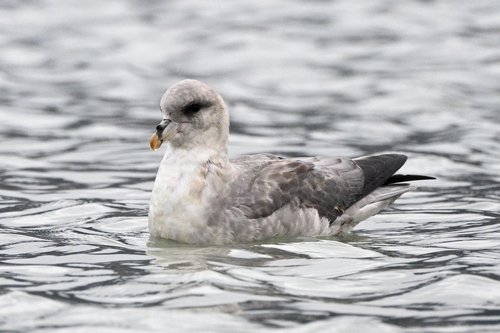 pombalete
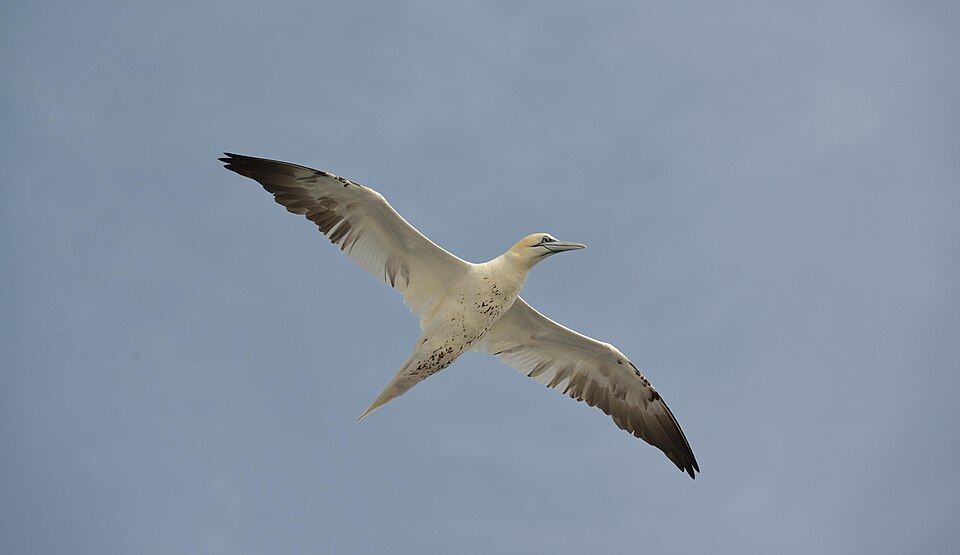 atobá-boreal
Em resumo
A marca de campo mais confiável para separar o pombalete do atobá-boreal é a estrutura geral e o estilo de voo: os pombaletes são aves compactas, de pescoço grosso, com batidas de asa rígidas e rasas, enquanto os atobás-boreais são muito maiores, de pescoço longo, e têm asas longas e esguias com um voo mais gracioso e planador. Em todas as plumagens, os atobás-boreais apresentam um corpo majoritariamente branco com pontas de asas pretas e um bico longo e pontudo, enquanto os pombaletes são mais robustos, com um bico grosso e pálido e plumagem variável de branco e cinza a totalmente escura. Os atobás-boreais juvenis são marrons escuros e gradualmente ficam brancos ao longo de vários anos, enquanto os pombaletes (incluindo imaturos) nunca mostram o mesmo contraste acentuado ou as linhas longas e elegantes de um atobá-boreal. Se você ver uma grande ave marinha branca com uma cabeça tingida de marrom, pescoço longo e asas com pontas pretas, é um atobá-boreal; uma ave de pescoço grosso e bico grosso com um voo mais rígido é um pombalete.
Dicas de identificação
-
O tamanho é uma pista importante: Os atobás-boreais são muito maiores e têm asas mais longas do que os pombaletes. Se você ver ambos juntos, a diferença é óbvia, mas mesmo individualmente, a envergadura e o comprimento de um atobá-boreal são quase o dobro dos de um pombalete. Use isso especialmente ao julgar aves em voo à distância.
-
Estilo de voo: Os pombaletes voam com batidas de asa rígidas e rasas e planam frequentemente, muitas vezes perto da água, dando uma impressão de corte, semelhante a um petrel. Os atobás-boreais têm batidas de asa profundas e poderosas, planam em asas longas e estreitas, e frequentemente planam alto acima da água. Se a ave parecer ter pescoço grosso e asas rígidas, é um pombalete; se for elegante e planador, é um atobá-boreal.
-
Forma e cor do bico: Os atobás-boreais têm um bico longo, em forma de adaga, azul-cinza com pele preta ao redor da base e dos olhos. Os pombaletes têm um bico grosso e amarelo pálido com narinas tubulares (naricornes) evidentes na parte superior. Isso é frequentemente visível mesmo à distância com boas ópticas.
-
Cabeça e pescoço: Os atobás-boreais têm um pescoço longo e, na época de reprodução, uma cabeça e nuca tingidas de marrom. Os pombaletes têm um pescoço mais curto e grosso e nunca mostram uma coloração marrom.
-
Plumagem – adultos: Os atobás-boreais adultos são majoritariamente brancos com pontas de asas pretas e uma cauda totalmente branca. Os pombaletes nunca são totalmente brancos: as formas claras têm uma cabeça e partes inferiores brancas, mas asas e cauda cinzas; as formas escuras são uniformemente cinzas. As asas dos atobás-boreais têm pontas pretas acentuadas, enquanto as asas dos pombaletes são mais uniformemente cinzas com primárias internas pálidas acima.
-
Plumagem – imaturos: Os atobás-boreais juvenis e imaturos são marrons escuros com manchas brancas, especialmente nas partes superiores e embaixo das asas, e gradualmente ficam brancos ao longo de vários anos. Os pombaletes não mostram esse padrão; os jovens pombaletes se assemelham aos adultos de sua forma, sem o contraste acentuado e as manchas dos jovens atobás-boreais.
-
Cauda: Os atobás-boreais têm uma cauda totalmente branca nos adultos; a cauda dos pombaletes é cinza (forma clara) ou combina com o corpo (forma escura). A cauda dos atobás-boreais é mais longa e mais pontuda em voo.
-
Padrão facial: Os atobás-boreais mostram pele preta ao redor dos olhos e da boca, dando uma aparência mascarada. Os pombaletes têm um rosto mais simples, com a característica mais distintiva sendo as narinas tubulares no bico.
-
Postura em repouso: Em terra, os atobás-boreais são eretos, altos e elegantes, enquanto os pombaletes são atarracados, de pescoço grosso, e muitas vezes parecem encurvados.
-
Comportamento alimentar: Os atobás-boreais são frequentemente vistos mergulhando de altura; os pombaletes raramente mergulham e se alimentam pegando na superfície.
-
Contexto de habitat: Se vistos nidificando em um penhasco alto e exposto em uma colônia densa e barulhenta, especialmente com aves mergulhando offshore, é provável que sejam atobás-boreais. Os pombaletes nidificam de forma mais ampla, incluindo em penhascos mais baixos e saliências.
-
Cor das pernas: Os pombaletes têm pernas azuladas, enquanto as pernas dos atobás-boreais são escuras.
-
Risco de confusão: Em visibilidade ruim ou a grandes distâncias, um pombalete pálido pode ser confundido com um atobá-boreal, mas o tamanho, a estrutura e o estilo de voo ainda diferem. Os atobás-boreais imaturos às vezes são confundidos com pombaletes de forma escura, mas as asas mais longas, o pescoço e o branqueamento gradual ao longo dos anos do atobá-boreal são distintivos.
-
Marcas sazonais: A coloração marrom na cabeça de um atobá-boreal é mais óbvia na época de reprodução. Os pombaletes não mostram mudanças sazonais na cor da cabeça.
-
Placas do bico: De perto, os bicos dos pombaletes são divididos em placas córneas com uma ponta curva, uma característica dos Procellariiformes; os bicos dos atobás-boreais são lisos e pontudos.
Tamanho
O atobá-boreal é dramaticamente maior que o pombalete. Os atobás-boreais atingem 87–100 cm de comprimento e têm uma envergadura de 170–180 cm, com uma massa média de adulto de cerca de 2999 g [wikidata]. Os pombaletes são muito menores: 46 cm de comprimento, envergadura de 102–112 cm e massa variando de 450–1000 g [wikipedia]. No campo, os atobás-boreais parecem longos, esguios e imponentes, enquanto os pombaletes são compactos e robustos. Mesmo à distância, a diferença de tamanho é marcante quando ambos são vistos juntos.
Plumagem
-
Aves juvenis/imaturas: Os atobás-boreais juvenis são majoritariamente marrons escuros com manchas brancas, especialmente nas partes superiores e embaixo das asas. Ao longo de cinco anos, eles gradualmente ficam mais brancos, mas os imaturos sempre mostram mais preto nas asas do que os adultos. Os pombaletes juvenis e imaturos, independentemente da forma, nunca mostram esse padrão: eles são ou pálidos com asas e cauda cinzas (forma clara) ou uniformemente cinzas (forma escura), sem o contraste preto e branco acentuado dos jovens atobás-boreais.
-
Adultos: Os atobás-boreais adultos são strikingly brancos com uma cabeça tingida de marrom (especialmente na época de reprodução), pontas de asas pretas e uma cauda totalmente branca. Os pombaletes, mesmo em sua forma mais clara, têm um manto e asas cinzas, cabeça e partes inferiores brancas, e um bico grosso e amarelo pálido. Os pombaletes de forma escura são uniformemente cinzas. As asas dos atobás-boreais são longas e pontudas com primárias pretas, enquanto os pombaletes têm asas mais curtas e largas com primárias internas pálidas acima e, nas formas escuras, mais escuras embaixo. Os atobás-boreais nunca mostram a aparência atarracada e robusta dos pombaletes.
-
Bico e rosto: Os atobás-boreais têm um bico longo e pontudo azul-cinza com pele preta ao redor da boca e dos olhos; os pombaletes têm um bico grosso e amarelo pálido com narinas tubulares na parte superior (naricornes), dando um perfil facial distinto.
Comportamento
Os atobás-boreais são mergulhadores, frequentemente vistos fazendo mergulhos espetaculares e em alta velocidade no mar a partir de grandes alturas. Seu voo é forte, com batidas de asas profundas e constantes e longos planadores. Eles decolam facilmente de penhascos e planam em asas longas e estreitas. Os pombaletes, em contraste, têm uma batida de asa rígida e rasa e planam baixo sobre a água, frequentemente cortando perto das ondas. Eles raramente mergulham e se alimentam principalmente pegando na superfície. Em terra, os atobás-boreais são eretos e elegantes, enquanto os pombaletes parecem atarracados e desajeitados, com habilidade de caminhada limitada.
Habitat
Ambas as espécies são pelágicas e nidificam em penhascos marinhos, mas os atobás-boreais preferem ilhas offshore maiores e mais expostas com penhascos íngremes para decolar em voo. Os pombaletes são mais amplamente distribuídos em regiões subárticas e podem ser encontrados nidificando em uma gama mais ampla de tipos de penhascos, incluindo locais mais baixos e menos íngremes. No mar, os atobás-boreais são mais propensos a serem vistos longe da costa, especialmente durante a migração, enquanto os pombaletes são abundantes em águas subárticas, mas podem ocorrer mais perto da costa. Ambos podem ser vistos juntos em áreas ricas em alimento, mas os atobás-boreais são menos prováveis no alto Ártico.