

Fulmaro vs Sula
Fulmarus glacialis contro Morus bassanus
Fai un quiz con Fulmaro e Sula
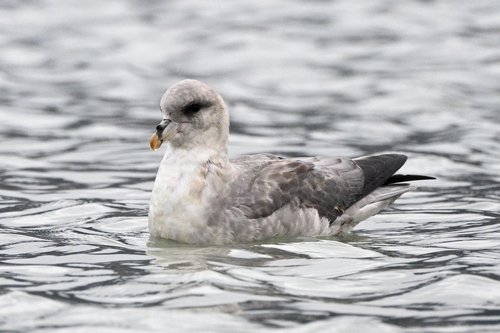 Fulmaro
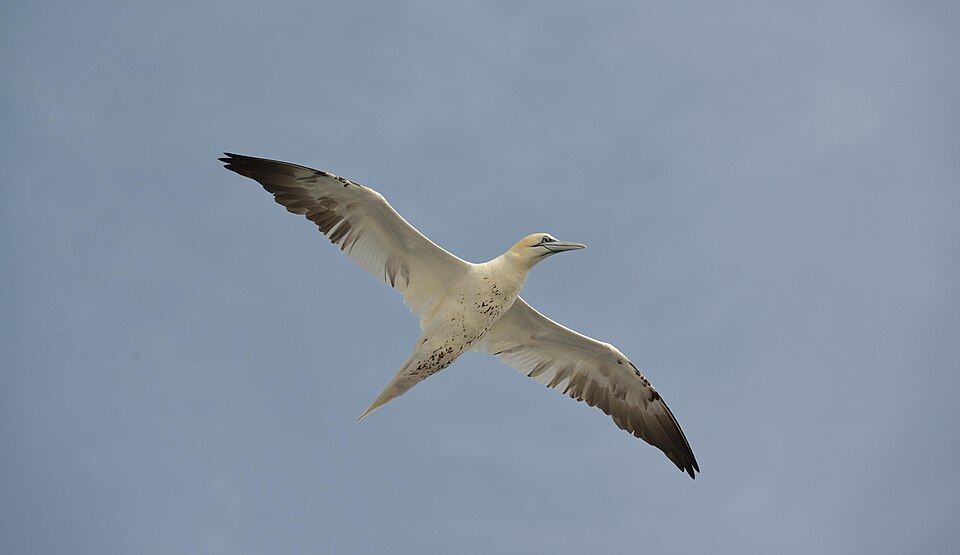 Sula
In breve
Il segno di campo più affidabile per separare il Fulmaro dal Sula è la struttura generale e lo stile di volo: i fulmari sono uccelli compatti, con collo robusto e battiti d'ala rigidi e superficiali, mentre i sule sono molto più grandi, con collo lungo e ali lunghe e slanciate che consentono un volo più elegante e planante. In tutte le livree, i sule mostrano un corpo per lo più bianco con punte nere sulle ali e un becco lungo e appuntito, mentre i fulmari sono più tozzi, con un becco spesso e chiaro e una livrea variabile che va dal bianco e grigio al completamente scuro. I sule giovani sono di colore marrone scuro e diventano gradualmente bianchi nel corso di diversi anni, mentre i fulmari (compresi gli immaturi) non mostrano mai lo stesso contrasto netto o le linee lunghe ed eleganti di un sule. Se vedi un grande uccello marino bianco con una testa di colore buff, collo lungo e ali con punte nere, è un sule; un uccello con collo robusto e becco spesso con un volo più rigido è un fulmar.
Consigli di identificazione
-
La dimensione è un indizio importante: I sule sono molto più grandi e hanno ali più lunghe rispetto ai fulmari. Se vedi entrambi insieme, la differenza è ovvia, ma anche singolarmente, l'apertura alare e la lunghezza di un sule sono quasi il doppio rispetto a quelle di un fulmar. Usa questo aspetto soprattutto quando giudichi gli uccelli in volo a distanza.
-
Stile di volo: I fulmari volano con battiti d'ala rigidi e superficiali e planate frequenti, spesso vicino all'acqua, dando un'impressione di taglio, simile a quella dei petrelli. I sule hanno battiti d'ala profondi e potenti, planano su ali lunghe e strette e spesso si librano in alto sopra l'acqua. Se l'uccello appare con collo robusto e ali rigide, è un fulmar; se è elegante e si libra, è un sule.
-
Forma e colore del becco: I sule hanno un lungo becco blu-grigio a forma di pugnale con pelle nera attorno alla base e agli occhi. I fulmari hanno un becco spesso e giallo chiaro con narici tubulari (naricorns) evidenti sopra. Questo è spesso visibile anche a distanza con buone ottiche.
-
Testa e collo: I sule hanno un collo lungo e, durante la stagione di riproduzione, una testa e una nuca di colore buff. I fulmari hanno un collo più corto e spesso e non mostrano mai una colorazione buff.
-
Livrea – adulti: I sule adulti sono per lo più bianchi con punte nere sulle ali e una coda completamente bianca. I fulmari non sono mai completamente bianchi: le forme chiare hanno una testa e parti inferiori bianche ma ali e coda grigie; le forme scure sono uniformemente grigie. Le ali dei sule sono nettamente nere alle punte, mentre le ali dei fulmari sono più uniformemente grigie con primarie interne chiare sopra.
-
Livrea – immaturi: I sule giovani e immaturi sono di colore marrone scuro con macchie bianche, specialmente sulle parti superiori e sotto le ali, e diventano gradualmente più bianchi nel corso di diversi anni. I fulmari non mostrano questo schema; i giovani fulmari assomigliano agli adulti della loro forma, senza il forte contrasto e le macchie dei giovani sule.
-
Coda: I sule hanno una coda completamente bianca negli adulti; la coda dei fulmari è grigia (forma chiara) o corrisponde al corpo (forma scura). La coda dei sule è più lunga e più appuntita in volo.
-
Schema facciale: I sule mostrano pelle nera attorno agli occhi e alla bocca, dando un aspetto mascherato. I fulmari hanno un volto più semplice, con la caratteristica più distintiva rappresentata dalle narici tubulari sul becco.
-
Aspetto a riposo: A terra, i sule sono eretti, alti ed eleganti, mentre i fulmari appaiono tozzi, con collo robusto e spesso sembrano curvi.
-
Comportamento alimentare: I sule sono spesso visti tuffarsi da grande altezza; i fulmari raramente tuffano e si nutrono raccogliendo dalla superficie.
-
Contesto dell'habitat: Se visti nidificare su una scogliera alta ed esposta in una colonia densa e rumorosa, specialmente con uccelli che tuffano in mare, è probabile che siano sule. I fulmari nidificano più diffusamente, anche su scogliere più basse e sporgenze.
-
Colore delle gambe: I fulmari hanno gambe bluastre, mentre le gambe dei sule sono scure.
-
Rischio di confusione: In condizioni di scarsa visibilità o a grande distanza, un fulmar chiaro potrebbe essere scambiato per un sule, ma la dimensione, la struttura e lo stile di volo differiranno comunque. I sule immaturi sono talvolta confusi con i fulmari di forma scura, ma le ali, il collo e il graduale schiarirsi nel corso degli anni del sule sono distintivi.
-
Segni stagionali: La sfumatura buff sulla testa di un sule è più evidente durante la stagione di riproduzione. I fulmari non mostrano cambiamenti di colore stagionali sulla testa.
-
Piastrine del becco: A distanza ravvicinata, i becchi dei fulmari sono divisi in piastre cornee con una punta ricurva, una caratteristica dei Procellariiformes; i becchi dei sule sono lisci e appuntiti.
Taglia
Il Sula è notevolmente più grande del Fulmaro. I sule raggiungono una lunghezza di 87–100 cm e hanno un'apertura alare di 170–180 cm, con una massa media degli adulti di circa 2999 g [wikidata]. I fulmari sono molto più piccoli: 46 cm di lunghezza, apertura alare di 102–112 cm e massa che varia da 450 a 1000 g [wikipedia]. Sul campo, i sule appaiono lunghi, snelli e imponenti, mentre i fulmari sono compatti e tozzi. Anche a distanza, la differenza di dimensione è sorprendente quando entrambi sono visti insieme.
Piumaggio
-
Uccelli giovani/immaturi: I sule giovani sono per lo più marrone scuro con macchie bianche, specialmente sulle parti superiori e sotto le ali. Nel corso di cinque anni, diventano gradualmente più bianchi, ma gli immaturi mostrano sempre più nero sulle ali rispetto agli adulti. I fulmari giovani e immaturi, indipendentemente dalla forma, non mostrano mai questo schema: sono o chiari con ali e coda grigie (forma chiara) o uniformemente grigi (forma scura), privi del forte contrasto bianco e nero dei giovani sule.
-
Adulti: I sule adulti sono straordinariamente bianchi con una testa di colore buff (specialmente durante la stagione di riproduzione), punte nere sulle ali e una coda completamente bianca. I fulmari, anche nella loro forma più chiara, hanno un mantello e ali grigie, una testa e parti inferiori bianche e un becco spesso di colore giallo chiaro. I fulmari di forma scura sono uniformemente grigi. Le ali dei sule sono lunghe e appuntite con primarie nere, mentre i fulmari hanno ali più corte e larghe con primarie interne chiare sopra e, nelle forme scure, un'ampia parte scura sotto. I sule non mostrano mai l'aspetto tozzo e robusto dei fulmari.
-
Becco e faccia: I sule hanno un lungo becco appuntito blu-grigio con pelle nera attorno alla bocca e agli occhi; i fulmari hanno un becco spesso e giallo chiaro con narici tubulari sopra (naricorns), dando un profilo facciale distintivo.
Comportamento
I sule sono uccelli che tuffano, spesso visti mentre effettuano spettacolari tuffi ad alta velocità nel mare da grande altezza. Il loro volo è forte, con battiti d'ala profondi e costanti e lunghe planate. Decollano facilmente dalle scogliere e si librano su ali lunghe e strette. I fulmari, al contrario, hanno un battito d'ala rigido e superficiale e planano a bassa quota sull'acqua, spesso tagliando vicino alle onde. Raramente tuffano e si nutrono principalmente raccogliendo dalla superficie. A terra, i sule sono eretti ed eleganti, mentre i fulmari appaiono tozzi e goffi, con capacità di camminare limitate.
Habitat
Entrambe le specie sono pelagiche e nidificano su scogliere marine, ma i sule preferiscono isole offshore più grandi e più esposte con scogliere ripide per decollare in volo. I fulmari sono più diffusi nelle regioni subartiche e possono essere trovati a nidificare su una gamma più ampia di tipi di scogliere, comprese quelle più basse e meno ripide. In mare, i sule sono più propensi a essere visti lontano dalla costa, specialmente durante la migrazione, mentre i fulmari sono abbondanti nelle acque subartiche ma possono trovarsi più vicino alla costa. Entrambi possono essere visti insieme in aree di alimentazione ricche, ma i sule sono meno probabili nell'Artico settentrionale.