

Motmot

フルマカモメ 対 シロカツオドリ

Fulmarus glacialis 対 Morus bassanus

フルマカモメとシロカツオドリのクイズ
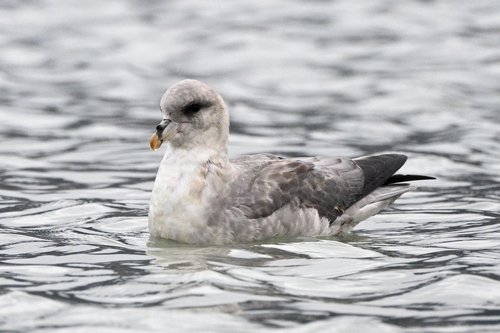
フルマカモメ (Fulmarus glacialis) フルマカモメ
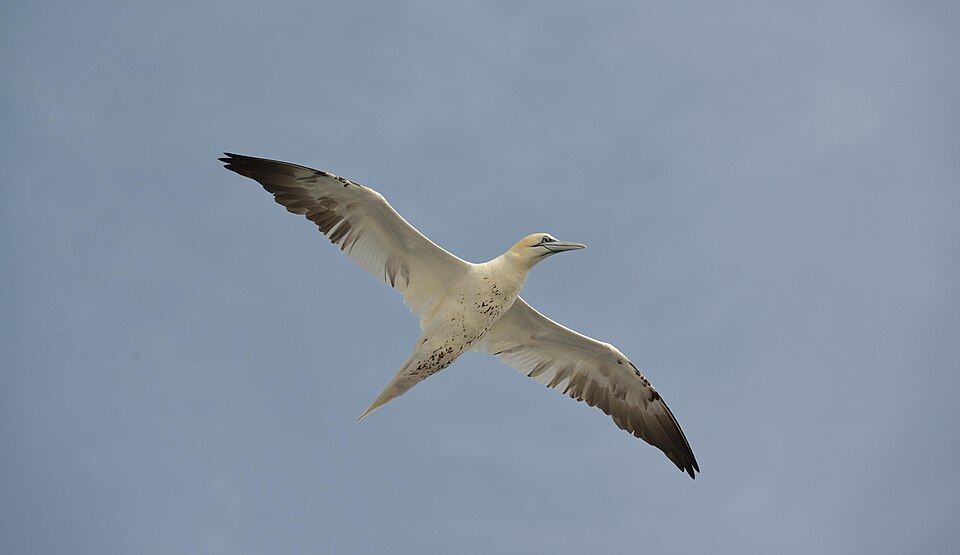
シロカツオドリ (Morus bassanus) シロカツオドリ

メディア

読み込み中…

要点

ノーザンフルマカモメとノーザンシロカツオドリを区別する最も信頼できるフィールドマークは、全体的な構造と飛行スタイルです。フルマカモメはコンパクトで、太い首を持ち、硬く浅い翼の打撃で飛びますが、シロカツオドリははるかに大きく、長い首を持ち、より優雅で上昇する飛行をする長く細い翼を持っています。すべての羽色において、シロカツオドリは主に白い体に黒い翼先端と長く尖ったくちばしを示しますが、フルマカモメはよりがっしりしており、厚く淡いくちばしを持ち、白と灰色から全体が黒い羽色まで変化します。幼鳥のシロカツオドリは暗褐色で、数年かけて徐々に白くなりますが、フルマカモメ(未成熟を含む)はシロカツオドリのような鋭いコントラストや長く優雅なラインを示すことはありません。大きく、白い海鳥で、淡い色合いの頭、長い首、黒い翼先端を持つ鳥を見たら、それはシロカツオドリです。太い首を持ち、厚いくちばしを持つ、硬い飛行をする鳥はフルマカモメです。

識別のコツ

  1. サイズは重要な手がかりです: シロカツオドリはフルマカモメよりもはるかに大きく、翼が長いです。両方を一緒に見ると、その違いは明らかですが、単独でもシロカツオドリの翼幅と長さはフルマカモメのほぼ2倍です。特に遠くで飛んでいる鳥を判断する際にこれを利用してください。

  2. 飛行スタイル: フルマカモメは硬く浅い翼の打撃で飛び、水面近くで頻繁に滑空し、シアリングするペトレルのような印象を与えます。シロカツオドリは深く力強い翼の打撃で飛び、長く狭い翼で上昇し、水面の高いところで滑空します。鳥が太い首を持ち、硬い翼を持っている場合、それはフルマカモメです。優雅で上昇する場合、それはシロカツオドリです。

  3. くちばしの形と色: シロカツオドリは、基部と目の周りに黒い皮膚を持つ長いダガーのような青灰色のくちばしを持っています。フルマカモメは、上部に明らかな管状の鼻孔(ナリコーン)を持つ厚く淡い黄色のくちばしを持っています。これは良好な光学機器で遠くからでもよく見えます。

  4. 頭と首: シロカツオドリは長い首を持ち、繁殖期には淡い色合いの頭と後頭部を持っています。フルマカモメは短くて太い首を持ち、淡い色合いを示すことはありません。

  5. 羽色 - 成鳥: 成鳥のシロカツオドリは主に白く、黒い翼先端と全白の尾を持っています。フルマカモメは決して全白ではありません。淡色型は白い頭と腹部を持ちますが、灰色の翼と尾を持ち、暗色型は均一に灰色です。シロカツオドリの翼は鋭く黒い先端を持っていますが、フルマカモメの翼はより均一に灰色で、上部には淡い内側の一次羽があります。

  6. 羽色 - 未成熟: 幼鳥と未成熟のシロカツオドリは暗褐色で、特に上面と翼の下に白い斑点があります。数年かけて徐々に白くなりますが、フルマカモメはこのパターンを示しません。若いフルマカモメは、若いシロカツオドリの大胆なコントラストや斑点を欠き、成鳥の形に似ています。

  7. 尾: シロカツオドリは全白の尾を持っていますが、フルマカモメの尾は灰色(淡色型)または体に合わせた色(暗色型)です。シロカツオドリの尾は飛行中に長く尖っています。

  8. 顔の模様: シロカツオドリは目と口の周りに黒い皮膚を示し、マスクのような外観を与えます。フルマカモメはより平坦な顔を持ち、最も特徴的な特徴はくちばしの上部にある管状の鼻孔です。

  9. 休息時の姿勢: 陸上では、シロカツオドリは直立して高く、優雅ですが、フルマカモメはずんぐりして太い首を持ち、しばしば背中を丸めているように見えます。

  10. 採餌行動: シロカツオドリはしばしば高所から海に急降下する姿が見られますが、フルマカモメはめったに潜水せず、水面をつついて餌を取ります。

  11. 生息地の文脈: 高く露出した崖の上に密集した騒がしいコロニーで巣を作っているのが見られる場合、特に沖合で急降下する鳥がいる場合、シロカツオドリの可能性が高いです。フルマカモメはより広範囲に巣を作り、低い崖や ledges でも見られます。

  12. 脚の色: フルマカモメは青みがかった脚を持っていますが、シロカツオドリの脚は暗いです。

  13. 混乱のリスク: 視界が悪い場合や遠くから見ると、淡いフルマカモメがシロカツオドリと間違われることがありますが、サイズ、構造、飛行スタイルは依然として異なります。未成熟のシロカツオドリは時々暗色型のフルマカモメと混同されますが、シロカツオドリの長い翼、首、数年かけての徐々に白くなる様子は特徴的です。

  14. 季節的なマーク: シロカツオドリの頭の淡い色合いは繁殖期に最も明らかです。フルマカモメは季節的な頭の色の変化を示しません。

  15. くちばしのプレート: 近距離では、フルマカモメのくちばしはフック状の先端を持つ角質のプレートに分かれていますが、これはプロセラリフォルメスの特徴です。シロカツオドリのくちばしは滑らかで尖っています。

大きさ

ノーザンシロカツオドリはノーザンフルマカモメよりも劇的に大きいです。シロカツオドリは87〜100 cmの長さに達し、翼幅は170〜180 cmで、成鳥の平均体重は約2999 gです [wikidata]。フルマカモメははるかに小さく、46 cmの長さ、翼幅102〜112 cm、体重は450〜1000 gの範囲です [wikipedia]。フィールドでは、シロカツオドリは長く、スリムで、威圧的に見えますが、フルマカモメはコンパクトでずんぐりしています。遠くからでも、両方が一緒に見られるとサイズの違いは際立っています。

羽色

行動

ノーザンシロカツオドリは急降下するダイバーで、高速で海にダイブする姿が見られます。彼らの飛行は強く、深く安定した翼の打撃と長い滑空を持っています。崖から簡単に発進し、長く狭い翼で上昇します。一方、フルマカモメは硬く浅い翼の打撃を持ち、水面近くを低く滑空し、しばしば波に近づいてシアリングします。彼らはめったに潜水せず、主に水面をつついて餌を取ります。陸上では、シロカツオドリは直立して優雅ですが、フルマカモメはずんぐりして不器用に見え、歩行能力が限られています。

生息環境

両種は外洋性で海崖で繁殖しますが、シロカツオドリは飛行に発進するための急な崖を持つ、より大きく露出した沖合の島を好みます。フルマカモメは亜北極地域でより広範囲に分布し、低い崖や急でない場所を含むさまざまな崖のタイプで巣を作ることができます。海では、シロカツオドリは特に移動中に沖合で見られる可能性が高いですが、フルマカモメは亜北極の水域に豊富に存在し、岸に近い場所でも見られることがあります。両者は豊富な餌場で一緒に見られることがありますが、シロカツオドリは高い北極では見られにくいです。

より良い説明を送る

比較と同じ項目を使ってください。文章はすぐに公開されます。

The most reliable field mark to separate Northern Fulmar from Northern Gannet is overall structure and flight style: fulmars are compact, bull-necked birds with stiff, shallow wingbeats, while gannets are much larger, long-necked, and have long, slender wings with a more graceful, soaring flight. In all plumages, gannets show a mostly white body with black wingtips and a long, pointed bill, while fulmars are stockier, with a thick, pale bill and variable plumage from white-and-grey to all-dark. Juvenile gannets are dark brown and gradually whiten over several years, while fulmars (including immatures) never show the same sharp contrast or the long, elegant lines of a gannet. If you see a large, white seabird with a buff-tinged head, long neck, and black-tipped wings, it’s a gannet; a bull-necked, thick-billed bird with a stiffer flight is a fulmar.

  1. Size is a major clue: Gannets are much larger and longer-winged than fulmars. If you see both together, the difference is obvious, but even singly, a gannet’s wingspan and length are nearly double those of a fulmar. Use this especially when judging birds in flight at a distance.

  2. Flight style: Fulmars fly with stiff, shallow wingbeats and frequent glides, often close to the water, giving a shearing, petrel-like impression. Gannets have deep, powerful wingbeats, soar on long, narrow wings, and often glide high above the water. If the bird looks bull-necked and stiff-winged, it’s a fulmar; if it’s elegant and soars, it’s a gannet.

  3. Bill shape and color: Gannets have a long, dagger-like blue-grey bill with black skin around the base and eyes. Fulmars have a thick, pale yellow bill with obvious tubular nostrils (naricorns) on top. This is often visible even at a distance with good optics.

  4. Head and neck: Gannets have a long neck and, in breeding season, a buff-tinged head and nape. Fulmars have a shorter, thicker neck and never show a buff wash.

  5. Plumage – adults: Adult gannets are mostly white with black wingtips and an all-white tail. Fulmars are never all-white: light morphs have a white head and underparts but grey wings and tail; dark morphs are uniformly grey. Gannets’ wings are sharply black-tipped, while fulmars’ wings are more evenly grey with pale inner primaries above.

  6. Plumage – immatures: Juvenile and immature gannets are dark brown with white speckling, especially on the upperparts and underwings, and gradually whiten over several years. Fulmars do not show this pattern; young fulmars resemble adults of their morph, lacking the bold contrast and speckling of young gannets.

  7. Tail: Gannets have an all-white tail in adults; fulmars’ tail is grey (light morph) or matches the body (dark morph). Gannets’ tail is longer and more pointed in flight.

  8. Facial pattern: Gannets show black skin around the eyes and mouth, giving a masked look. Fulmars have a plainer face, with the most distinctive feature being the tubular nostrils on the bill.

  9. Jizz at rest: On land, gannets are upright, tall, and elegant, while fulmars are squat, bull-necked, and often appear hunched.

  10. Feeding behavior: Gannets are often seen plunge-diving from height; fulmars rarely dive and feed by picking at the surface.

  11. Habitat context: If seen nesting on a high, exposed cliff in a dense, noisy colony, especially with plunge-diving birds offshore, gannets are likely. Fulmars nest more widely, including on lower cliffs and ledges.

  12. Leg color: Fulmars have bluish legs, while gannets’ legs are dark.

  13. Confusion risk: In poor visibility or at great distance, a pale fulmar might be mistaken for a gannet, but the size, structure, and flight style will still differ. Immature gannets are sometimes confused with dark morph fulmars, but the gannet’s longer wings, neck, and gradual whitening over years are distinctive.

  14. Seasonal marks: The buff tinge to a gannet’s head is most obvious in breeding season. Fulmars do not show seasonal head color changes.

  15. Bill plates: At close range, fulmars’ bills are divided into horny plates with a hooked tip, a feature of the Procellariiformes; gannets’ bills are smooth and pointed.

Northern Gannet is dramatically larger than Northern Fulmar. Gannets reach 87–100 cm in length and have a wingspan of 170–180 cm, with an average adult mass of about 2999 g [wikidata]. Fulmars are much smaller: 46 cm long, wingspan 102–112 cm, and mass ranging from 450–1000 g [wikipedia]. In the field, gannets appear long, sleek, and imposing, while fulmars are compact and chunky. Even at a distance, the size difference is striking when both are seen together.

  • Juvenile/Immature birds: Juvenile Northern Gannets are mostly dark brown with white speckling, especially on the upperparts and underwings. Over five years, they gradually become whiter, but immatures always show more black on the wings than adults. Juvenile and immature Fulmars, regardless of morph, never show this pattern: they are either pale with grey wings and tail (light morph) or uniformly grey (dark morph), lacking the bold black-and-white contrast of young gannets.

  • Adults: Adult Northern Gannets are strikingly white with a buff-tinged head (especially in breeding season), black wingtips, and an all-white tail. Fulmars, even in their lightest morph, have a grey mantle and wings, white head and underparts, and a pale yellow, thick bill. Dark-morph fulmars are uniformly grey. Gannets’ wings are long and pointed with black primaries, while fulmars have shorter, broader wings with pale inner primaries above and, in dark morphs, more extensive dark below. Gannets never show the bull-necked, stubby look of fulmars.

  • Bill and face: Gannets have a long, blue-grey pointed bill with black skin around the mouth and eyes; fulmars have a thick, pale yellow bill with tubular nostrils on top (naricorns), giving a distinctive facial profile.

Northern Gannets are plunge-divers, often seen making spectacular, high-speed dives into the sea from height. Their flight is strong, with deep, steady wingbeats and long glides. They launch easily from cliffs and soar on long, narrow wings. Fulmars, by contrast, have a stiff, shallow wingbeat and glide low over the water, often shearing close to the waves. They rarely dive and feed mostly by picking at the surface. On land, gannets are upright and elegant, while fulmars appear squat and awkward, with limited walking ability.

Both species are pelagic and breed on sea cliffs, but gannets favor larger, more exposed offshore islands with steep cliffs for launching into flight. Fulmars are more widespread in subarctic regions and can be found nesting on a wider range of cliff types, including lower and less precipitous sites. At sea, gannets are more likely to be seen far offshore, especially during migration, while fulmars are abundant in subarctic waters but can occur closer to shore. Both may be seen together at rich feeding areas, but gannets are less likely in the high Arctic.

変更を破棄しますか?

保存していない編集があります。今離れると失われます。

フルマカモメ · シロカツオドリ · 苦手な鳥