

new zealand fantail vs silvereye
Rhipidura fuliginosa versus Zosterops lateralis
Jogue um quiz com new zealand fantail e silvereye
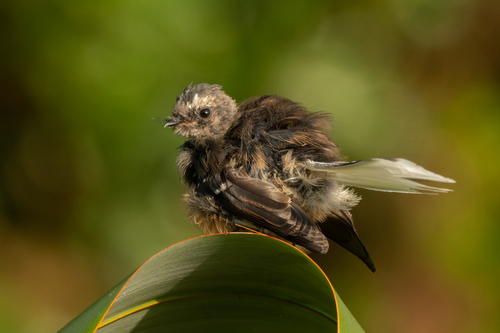 new zealand fantail
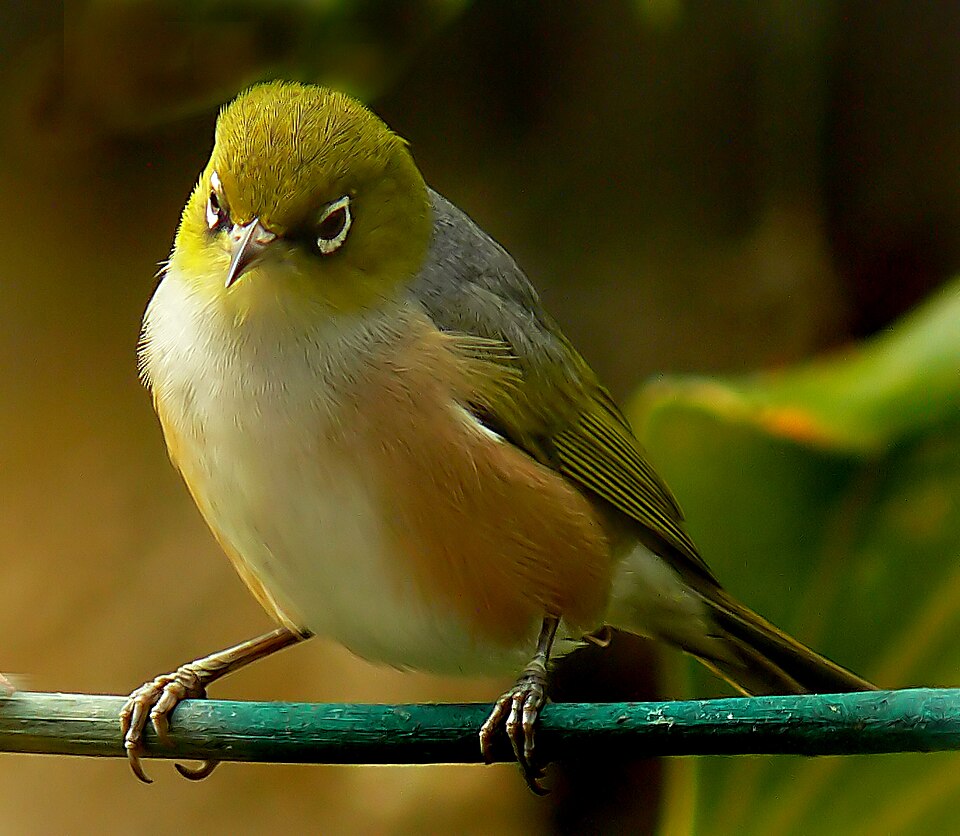 silvereye
Em resumo
A marca de campo mais confiável para separar o new zealand fantail do silvereye é a cauda larga e em forma de leque do fantail—frequentemente aberta dramaticamente e mostrando penas externas brancas contrastantes—versus a cauda curta e arredondada do silvereye e o forte anel ocular branco. Fantails juvenis podem ser mais marrons, mas ainda mostram a mesma forma de cauda e comportamento inquieto e ágil. O silvereye não possui a cauda em leque e é mais compacto, com partes superiores verde-oliva e flancos castanhos ou amarelos. Ambas as espécies são pequenas e ativas, mas o constante movimento da cauda do fantail e o voo errático são únicos na Nova Zelândia. Se você ver um pássaro com um anel ocular branco e sem movimento de cauda, é um silvereye.
Dicas de identificação
- Forma da cauda e comportamento: O new zealand fantail sempre mostra uma cauda longa em forma de leque, frequentemente aberta para revelar penas externas brancas e penas centrais escuras. Isso é visível em todas as idades e é diagnóstico na Nova Zelândia. O silvereye tem uma cauda curta e arredondada e nunca a abre.
- Anel ocular: O silvereye de todas as idades mostra um forte anel ocular branco completo, que nunca está presente no new zealand fantail (embora o fantail possa ter uma sobrancelha branca ou uma mancha atrás do olho, especialmente na forma negra).
- Faixa no peito: Fantails adultos têm uma faixa escura no peito abaixo de uma garganta branca, que está ausente no silvereye. Essa faixa é menos distinta em juvenis, mas o padrão geral ainda é diferente.
- Cor das partes superiores: O fantail é cinza médio a escuro ou cinza-marron acima, às vezes com um tom amarelado ou alaranjado abaixo. O silvereye é verde-oliva acima, com uma aparência mais uniforme e sem faixa no peito.
- Cor dos flancos: O silvereye mostra flancos castanhos a amarelos claros, uma característica nunca vista no fantail.
- Partes inferiores: O fantail tem partes inferiores amareladas ou alaranjadas com uma garganta branca e faixa no peito; o silvereye tem partes inferiores mais claras, às vezes amareladas, mas sem faixas ou forte contraste.
- Cauda em voo: Em voo, a cauda do fantail é longa e frequentemente aberta, criando uma forma ampla e semelhante a uma pá. A cauda do silvereye é curta e não mostra qualquer abertura ou forte contraste.
- Confusão juvenil: Fantails juvenis são mais marrons e menos marcados, mas ainda mostram a cauda em leque. Juvenis de silvereye não são detalhados aqui, mas o anel ocular está presente desde uma idade jovem e a cauda permanece curta.
- Fantail de forma negra: Raramente, um fantail de forma negra pode ser visto (especialmente na Ilha Sul). Ele é todo escuro, exceto por uma mancha branca atrás do olho, mas ainda tem a cauda em leque—nunca uma característica do silvereye.
- Sinais comportamentais: Fantails são inquietos, ágeis e frequentemente se aproximam das pessoas, especialmente em ambientes florestais ou de jardim. Silvereyes são ativos, mas se movem de forma mais suave e têm menos probabilidade de abrir suas caudas ou perseguir insetos em áreas abertas.
- Comportamento alimentar: Fantails capturam insetos em voo, frequentemente seguindo pessoas para pegar presas perturbadas. Silvereyes são onívoros, alimentando-se de frutas, néctar e insetos, e são frequentemente vistos em comedouros.
- Tamanho do grupo: Silvereyes frequentemente formam bandos maiores, especialmente no final do verão e no inverno. Fantails são mais solitários ou em pares, embora possam se reunir em pequenos grupos em clima frio.
- Vocalização: Se ouvido, o chamado metálico do fantail é distinto. Os chamados do silvereye são menos diagnósticos e mais genéricos para pequenos pássaros canoros.
- Impressão de tamanho: O fantail parece mais longo e mais delicado devido à sua cauda, enquanto o silvereye é mais compacto e arredondado.
- Sobreposição de habitat: Ambas as espécies podem ocorrer juntas, especialmente em jardins e florestas, então confie em características estruturais e de plumagem em vez de habitat sozinho.
Tamanho
Ambas as espécies são pequenas, mas o new zealand fantail é ligeiramente mais leve (7,2 g [wikidata]) e mais longo (até 16 cm, metade do qual é cauda [wikipedia]) em comparação com o silvereye (11–13 cm de comprimento, cerca de 10 g [wikipedia]). O comprimento do fantail se deve principalmente à sua longa cauda em leque, enquanto o silvereye é mais compacto e arredondado no geral. No campo, o fantail frequentemente parece mais alongado e delicado, especialmente quando a cauda está aberta.
Plumagem
-
Pássaros juvenis/imaturos: Fantails juvenis são mais marrons no geral, com marcas corporais menos distintas, mas ainda mostram a característica cauda em forma de leque com penas externas pálidas. Juvenis de silvereye não são descritos em detalhes aqui, mas todas as idades mostram o anel ocular branco e não apresentam qualquer abertura de cauda.
-
Adultos: Fantails adultos são cinza médio a escuro ou cinza-marron acima, amarelados ou alaranjados abaixo, com uma faixa escura no peito abaixo de uma garganta branca e marcas brancas ousadas acima do olho. A cauda, quando aberta, mostra penas externas brancas e penas centrais escuras. A rara forma negra é toda escura, exceto por uma mancha branca atrás do olho, mas ainda tem a cauda em leque. Silvereyes adultos têm asas e costas verde-oliva, um conspícuo anel ocular branco, garganta mais clara (amarela ou cinza) e flancos castanhos a amarelos claros. Sua cauda é curta e nunca aberta. As partes inferiores são mais claras, e a parte inferior da cauda pode ser branca ou amarela. Nenhuma forma de silvereye mostra uma cauda em leque ou faixa no peito.
Comportamento
New Zealand Fantails quase nunca ficam parados, constantemente se movendo de poleiro em poleiro, frequentemente abrindo suas caudas e perseguindo insetos. Eles são ousados perto das pessoas, frequentemente se aproximando de perto. Silvereyes também são ativos e rápidos, forrageando ativamente em bandos, mas se movem de forma mais suave através da folhagem e não exibem o mesmo voo errático e de abertura de cauda. Silvereyes podem formar bandos maiores no final do verão e migrar, enquanto os fantails são mais solitários ou em pequenos grupos e não migram longas distâncias.
Habitat
Ambas as espécies são comuns em uma ampla gama de habitats na Nova Zelândia, incluindo florestas, arbustos, jardins e áreas urbanas. O silvereye é especialmente versátil, encontrado em qualquer área vegetada, exceto em campos abertos, e é frequentemente visto em mesas para pássaros no inverno. Fantails também são amplamente distribuídos, mas são mais propensos a serem vistos forrageando ativamente em áreas abertas, especialmente onde os insetos são perturbados.
Voz
O new zealand fantail emite um chamado metálico 'cheek', frequentemente repetido como uma sequência de chilreios. Os chamados do silvereye não são descritos em detalhes aqui, mas são notados por chamadas frequentes e sons de forrageio agitados. Na prática, o chilreio metálico do fantail é distinto se ouvido, mas as vocalizações são menos úteis do que os sinais visuais para separação.