

Abanico Maorí vs Anteojitos Dorsigrís
Rhipidura fuliginosa frente a Zosterops lateralis
Juega un quiz con Abanico Maorí y Anteojitos Dorsigrís
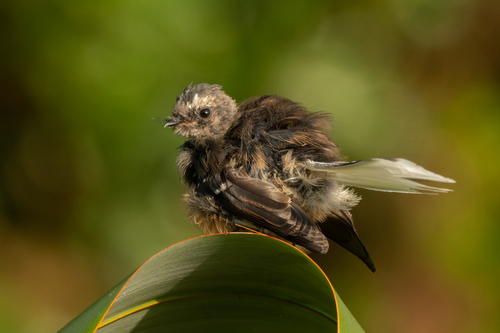 Abanico Maorí
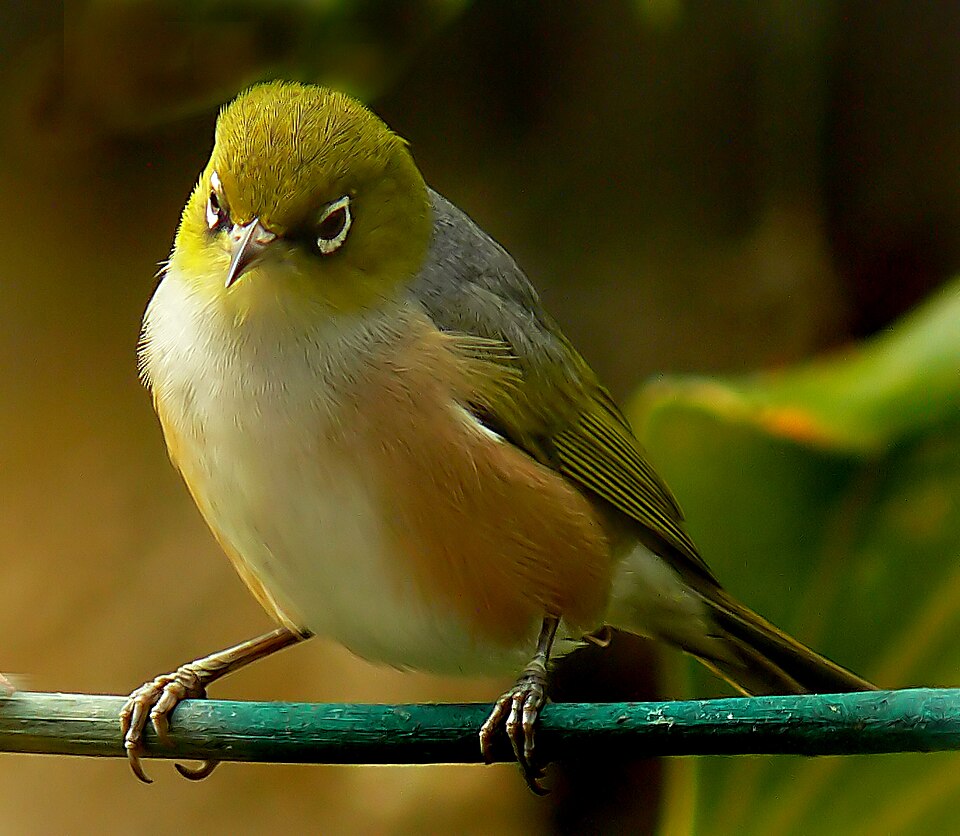 Anteojitos Dorsigrís
En breve
La marca de campo más confiable para separar el Abanico Maorí del Anteojitos Dorsigrís es la cola ancha y en forma de abanico del abanico, que a menudo se despliega de manera dramática y muestra plumas exteriores blancas contrastantes, en comparación con la cola corta y redondeada del Anteojitos Dorsigrís y su llamativa anilla ocular blanca. Los abanicos juveniles pueden ser más marrones, pero aún muestran la misma forma de cola y un comportamiento inquieto y aleteante. El Anteojitos Dorsigrís carece completamente de la cola en abanico y es más compacto, con partes superiores de color verde oliva y flancos castaños o beige. Ambas especies son pequeñas y activas, pero el constante aleteo de la cola del abanico y su vuelo errático son únicos en Nueva Zelanda. Si ves un pájaro con una anilla ocular blanca y sin aleteo de cola, es un Anteojitos Dorsigrís.
Consejos de identificación
- Forma de la cola y comportamiento: El Abanico Maorí siempre muestra una cola larga en forma de abanico, frecuentemente desplegada para revelar plumas exteriores blancas y plumas centrales oscuras. Esto es visible en todas las edades y es diagnóstico en Nueva Zelanda. El Anteojitos Dorsigrís tiene una cola corta y redondeada y nunca la despliega.
- Anilla ocular: El Anteojitos Dorsigrís de todas las edades muestra una anilla ocular blanca completa y llamativa, que nunca está presente en el Abanico Maorí (aunque el abanico puede tener una ceja blanca o una mancha detrás del ojo, especialmente en la morfología negra).
- Banda en el pecho: Los abanicos adultos tienen una banda oscura en el pecho debajo de una garganta blanca, que está ausente en el Anteojitos Dorsigrís. Esta banda es menos distintiva en los juveniles, pero el patrón general sigue siendo diferente.
- Color de las partes superiores: El Abanico Maorí es de color gris medio a oscuro o marrón grisáceo por encima, a veces con un lavado amarillento o anaranjado por debajo. El Anteojitos Dorsigrís es de color verde oliva por encima, con una apariencia más uniforme y sin banda en el pecho.
- Color de los flancos: El Anteojitos Dorsigrís muestra flancos castaños a beige pálido, una característica que nunca se ve en el abanico.
- Partes inferiores: El Abanico Maorí tiene partes inferiores amarillentas o anaranjadas con una garganta blanca y banda en el pecho; el Anteojitos Dorsigrís tiene partes inferiores más claras, a veces amarillentas, pero sin bandas ni contraste fuerte.
- Cola en vuelo: En vuelo, la cola del abanico es larga y a menudo se despliega, creando una forma amplia y similar a una pala. La cola del Anteojitos Dorsigrís es corta y no muestra ningún aleteo ni contraste fuerte.
- Confusión juvenil: Los abanicos juveniles son más marrones y menos marcados, pero aún muestran la cola en abanico. Los juveniles del Anteojitos Dorsigrís no se describen aquí en detalle, pero la anilla ocular está presente desde una edad temprana y la cola sigue siendo corta.
- Morfología negra del abanico: Rara vez se puede ver un abanico de morfología negra (especialmente en la Isla Sur). Es completamente oscuro excepto por una mancha blanca detrás del ojo, pero aún tiene la cola en abanico, que nunca es una característica del Anteojitos Dorsigrís.
- Señales de comportamiento: Los abanicos son inquietos, aletean y a menudo se acercan a las personas, especialmente en entornos de bosque o jardín. Los Anteojitos Dorsigrís son activos, pero se mueven de manera más suave y son menos propensos a desplegar sus colas o a cazar insectos al aire libre.
- Comportamiento alimenticio: Los abanicos atrapan insectos en vuelo, a menudo siguiendo a las personas para atrapar presas perturbadas. Los Anteojitos Dorsigrís son omnívoros, alimentándose de frutas, néctar e insectos, y a menudo se les ve en comederos.
- Tamaño del grupo: Los Anteojitos Dorsigrís a menudo forman bandadas más grandes, especialmente a finales del verano y en invierno. Los abanicos son más solitarios o en parejas, aunque pueden reunirse en pequeños grupos en clima frío.
- Vocalización: Si se escucha, el chirrido metálico del abanico es distintivo. Los llamados del Anteojitos Dorsigrís son menos diagnósticos y más genéricos para pequeños pájaros cantores.
- Impresión de tamaño: El Abanico Maorí parece más largo y más delicado debido a su cola, mientras que el Anteojitos Dorsigrís es más compacto y redondeado.
- Superposición de hábitat: Ambas especies pueden ocurrir juntas, especialmente en jardines y bosques, por lo que se debe confiar en características estructurales y de plumaje en lugar de en el hábitat solo.
Tamaño
Ambas especies son pequeñas, pero el Abanico Maorí es ligeramente más ligero (7.2 g [wikidata]) y más largo (hasta 16 cm, de los cuales la mitad es cola [wikipedia]) en comparación con el Anteojitos Dorsigrís (11–13 cm de longitud, alrededor de 10 g [wikipedia]). La longitud del abanico se debe principalmente a su cola larga y desplegada, mientras que el Anteojitos Dorsigrís es más compacto y redondeado en general. En el campo, el abanico a menudo parece más alargado y delicado, especialmente cuando la cola está extendida.
Plumaje
-
Aves juveniles/inmaduras: Los Abanicos Maorí juveniles son más marrones en general con marcas corporales menos distintivas, pero aún muestran la característica cola en forma de abanico con plumas exteriores pálidas. Los juveniles del Anteojitos Dorsigrís no se describen aquí en detalle, pero todas las edades muestran la anilla ocular blanca y carecen de cualquier aleteo de cola.
-
Adultos: Los Abanicos Maorí adultos son de color gris medio a oscuro o marrón grisáceo por encima, amarillentos o anaranjados por debajo, con una banda oscura en el pecho debajo de una garganta blanca y marcas blancas llamativas sobre el ojo. La cola, cuando se despliega, muestra plumas exteriores blancas y plumas centrales oscuras. La rara morfología negra es completamente oscura excepto por una mancha blanca detrás del ojo, pero aún tiene la cola en abanico. Los adultos del Anteojitos Dorsigrís tienen alas y espalda de color verde oliva, una conspicua anilla ocular blanca, garganta más clara (amarilla o gris) y flancos castaños a beige pálido. Su cola es corta y nunca se despliega. Las partes inferiores son más claras, y la parte inferior de la cola puede ser blanca o amarilla. Ninguna morfología del Anteojitos Dorsigrís muestra una cola en abanico o banda en el pecho.
Comportamiento
Los Abanicos Maorí casi nunca están quietos, constantemente aleteando de un posadero a otro, a menudo desplegando sus colas y cazando insectos. Son audaces alrededor de las personas, a menudo acercándose mucho. Los Anteojitos Dorsigrís también son activos y rápidos, forrajeando de manera ocupada en bandadas, pero se mueven de manera más suave a través del follaje y no muestran el mismo vuelo errático y aleteante. Los Anteojitos Dorsigrís pueden formar bandadas más grandes a finales del verano y migrar, mientras que los abanicos son más solitarios o en pequeños grupos y no migran largas distancias.
Hábitat
Ambas especies son comunes en una amplia gama de hábitats a través de Nueva Zelanda, incluyendo bosques, matorrales, jardines y áreas urbanas. El Anteojitos Dorsigrís es especialmente versátil, encontrado en cualquier área vegetada excepto en praderas abiertas, y a menudo se les ve en mesas para aves en invierno. Los Abanicos Maorí también son ampliamente distribuidos, pero es más probable que se les vea forrajeando activamente al aire libre, especialmente donde se perturban los insectos.
Voz
El Abanico Maorí emite un llamado metálico de 'cheek', a menudo repetido como una secuencia de chirridos. Los llamados del Anteojitos Dorsigrís no se describen aquí en detalle, pero se les nota por sus llamados frecuentes y sonidos de forrajeo activos. En la práctica, el chirrido metálico del abanico es distintivo si se escucha, pero las vocalizaciones son menos útiles que las señales visuales para la separación.