

New Zealand Fantail vs Silvereye
Rhipidura fuliginosa contro Zosterops lateralis
Fai un quiz con New Zealand Fantail e Silvereye
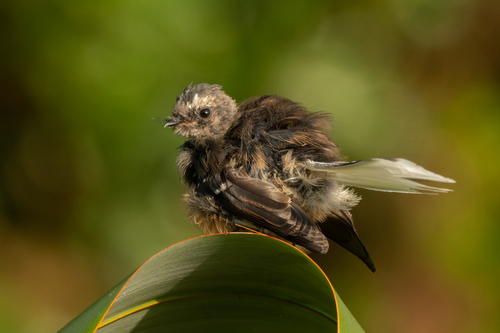 New Zealand Fantail
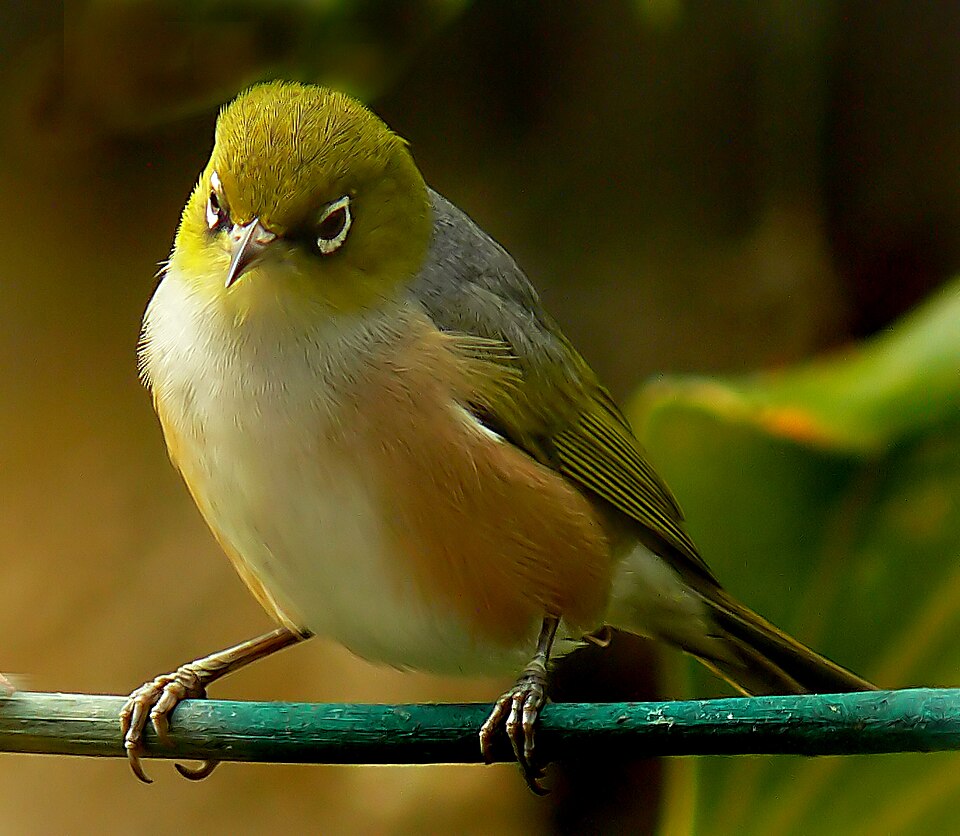 Silvereye
In breve
Il segno di campo più affidabile per separare il New Zealand Fantail dallo Silvereye è la coda larga e a ventaglio del fantail—spesso drammaticamente aperta e con piume esterne bianche in contrasto—rispetto alla coda corta e arrotondata dello Silvereye e al suo audace anello oculare bianco. I fantail giovani possono essere più marroni, ma mostrano comunque la stessa forma della coda e un comportamento irrequieto e frenetico. Lo Silvereye manca completamente della coda a ventaglio ed è più compatto, con parti superiori di colore verde oliva e fianchi castano o beige. Entrambe le specie sono piccole e attive, ma il continuo movimento della coda del fantail e il volo erratico sono unici in Nuova Zelanda. Se vedi un uccello con un anello oculare bianco e senza movimento della coda, è uno Silvereye.
Consigli di identificazione
- Tail shape and behavior: Il New Zealand Fantail mostra sempre una lunga coda a ventaglio, frequentemente aperta per rivelare piume esterne bianche e piume centrali scure. Questo è visibile in tutte le età ed è diagnostico in Nuova Zelanda. Lo Silvereye ha una coda corta e arrotondata e non la apre mai.
- Eye-ring: Lo Silvereye di tutte le età mostra un audace anello oculare bianco completo, che non è mai presente nel New Zealand Fantail (anche se il fantail può avere un sopracciglio bianco o una macchia dietro l'occhio, specialmente nella forma nera).
- Chest band: I fantail adulti hanno una banda scura attraverso il petto sotto una gola bianca, che è assente nello Silvereye. Questa banda è meno distintiva nei giovani, ma il modello complessivo è comunque diverso.
- Upperparts color: Il fantail è grigio medio o grigio-marrone sopra, a volte con una sfumatura giallastra o arancione sotto. Lo Silvereye è verde oliva sopra, con un aspetto più uniforme e senza banda sul petto.
- Flank color: Lo Silvereye mostra fianchi castano a beige chiaro, una caratteristica mai vista nel fantail.
- Underparts: Il fantail ha parti inferiori giallastre o arancioni con una gola bianca e una banda sul petto; lo Silvereye ha parti inferiori più chiare, a volte giallastre, ma senza bande o forti contrasti.
- Tail in flight: In volo, la coda del fantail è lunga e spesso aperta, creando una forma larga e simile a una pala. La coda dello Silvereye è corta e non mostra alcun movimento o forte contrasto.
- Juvenile confusion: I fantail giovani sono più marroni e meno marcati ma mostrano comunque la coda a ventaglio. Gli Silvereye giovani non sono descritti in dettaglio qui, ma l'anello oculare è presente fin dalla giovane età e la coda rimane corta.
- Black morph fantail: Raramente, può essere visto un fantail di forma nera (specialmente nell'Isola del Sud). È tutto scuro tranne per una macchia bianca dietro l'occhio, ma ha comunque la coda a ventaglio—mai una caratteristica dello Silvereye.
- Behavioral cues: I fantail sono irrequieti, frenetici e spesso si avvicinano alle persone, specialmente in ambienti forestali o da giardino. Gli Silvereye sono attivi ma si muovono più fluidamente e sono meno propensi ad aprire le loro code o a inseguire insetti all'aperto.
- Feeding behavior: I fantail catturano insetti in volo, spesso seguendo le persone per afferrare prede disturbate. Gli Silvereye sono onnivori, nutrendosi di frutta, nettare e insetti, e sono spesso visti ai mangiatoie.
- Group size: Gli Silvereye formano spesso stormi più grandi, specialmente alla fine dell'estate e in inverno. I fantail sono più solitari o in coppie, anche se possono radunarsi in piccoli gruppi in caso di freddo.
- Vocalization: Se sentiti, il chiacchierio metallico del fantail è distintivo. Le chiamate dello Silvereye non sono diagnostiche e sono più generiche per i piccoli uccelli canori.
- Size impression: Il fantail appare più lungo e più delicato a causa della sua coda, mentre lo Silvereye è più compatto e arrotondato.
- Habitat overlap: Entrambe le specie possono verificarsi insieme, specialmente in giardini e foreste, quindi fai affidamento su caratteristiche strutturali e di piumaggio piuttosto che solo sull'habitat.
Taglia
Entrambe le specie sono piccole, ma il New Zealand Fantail è leggermente più leggero (7.2 g [wikidata]) e più lungo (fino a 16 cm, metà dei quali è coda [wikipedia]) rispetto allo Silvereye (11–13 cm di lunghezza, circa 10 g [wikipedia]). La lunghezza del fantail è dovuta principalmente alla sua lunga coda a ventaglio, mentre lo Silvereye è più compatto e arrotondato nel complesso. Sul campo, il fantail appare spesso più allungato e delicato, specialmente quando la coda è aperta.
Piumaggio
-
Juvenile/immature birds: I giovani New Zealand Fantails sono complessivamente più marroni con marcature corporee meno distinte, ma mostrano comunque la caratteristica coda a ventaglio con piume esterne chiare. I giovani Silvereye non sono descritti in dettaglio qui, ma tutte le età mostrano l'anello oculare bianco e non mostrano alcun movimento della coda.
-
Adults: Gli adulti New Zealand Fantail sono grigio medio o grigio-marrone sopra, giallastri o arancioni sotto, con una banda scura sul petto sotto una gola bianca e marcature bianche audaci sopra l'occhio. La coda, quando è aperta, mostra piume esterne bianche e piume centrali scure. La rara forma nera è completamente scura tranne per una macchia bianca dietro l'occhio, ma ha comunque la coda a ventaglio. Gli adulti Silvereye hanno ali e schiena verde oliva, un evidente anello oculare bianco, gola più chiara (gialla o grigia) e fianchi castano a beige chiaro. La loro coda è corta e non viene mai aperta. Le parti inferiori sono più chiare, e l'area sotto la coda può essere bianca o gialla. Nessuna forma di Silvereye mostra una coda a ventaglio o una banda sul petto.
Comportamento
I New Zealand Fantails sono quasi mai fermi, fluttuando costantemente da un posatoio all'altro, spesso aprendo le loro code e inseguendo insetti. Sono audaci intorno alle persone, avvicinandosi spesso. Gli Silvereye sono anche attivi e veloci, foraggiando attivamente in stormi, ma si muovono più fluidamente attraverso il fogliame e non mostrano lo stesso volo erratico e di apertura della coda. Gli Silvereye possono formare stormi più grandi alla fine dell'estate e migrare, mentre i fantail sono più solitari o in piccoli gruppi e non migrano per lunghe distanze.
Habitat
Entrambe le specie sono comuni in una vasta gamma di habitat in Nuova Zelanda, comprese foreste, cespugli, giardini e aree urbane. Lo Silvereye è particolarmente versatile, trovato in qualsiasi area vegetata tranne che nelle praterie aperte, ed è spesso visto ai tavoli per uccelli in inverno. I fantail sono anche diffusi ma sono più propensi a essere visti mentre foraggiano attivamente all'aperto, specialmente dove gli insetti vengono disturbati.
Voce
Il New Zealand Fantail emette un richiamo metallico 'cheek', spesso ripetuto come una sequenza di chiacchierio. Le chiamate dello Silvereye non sono descritte in dettaglio qui, ma sono note per le chiamate frequenti e i suoni di foraggiamento attivo. In pratica, il chiacchierio metallico del fantail è distintivo se udito, ma le vocalizzazioni sono meno utili dei segnali visivi per la separazione.