

nashville warbler vs mourning warbler
Leiothlypis ruficapilla versus Geothlypis philadelphia
Jogue um quiz com nashville warbler e mourning warbler
 nashville warbler
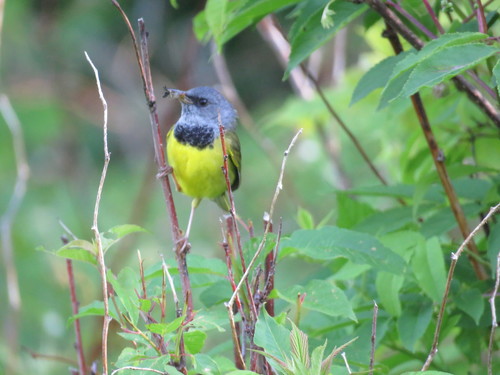 mourning warbler
Em resumo
A marca de campo mais confiável entre o nashville warbler e o mourning warbler é o anel ocular: o nashville warbler sempre apresenta um anel ocular branco completo e ousado, enquanto o mourning warbler nunca o faz—os adultos não têm anel ocular, e os imaturos mostram apenas um anel fraco e quebrado. Além disso, o nashville warbler tem uma garganta e peito amarelos limpos, contrastando com sua cabeça cinza e costas esverdeadas, enquanto os machos do mourning warbler têm uma capuz cinza e uma mancha de garganta escura (negróide), com fêmeas e imaturos mostrando uma garganta mais opaca, amarelada ou acinzentada e apenas um anel ocular parcial. O mourning warbler também é visivelmente mais robusto e de corpo mais longo. Essas diferenças se mantêm em todas as idades e estações, mas podem ser sutis no outono ou em aves jovens, então a atenção cuidadosa ao anel ocular e à cor da garganta é fundamental.
Dicas de identificação
- O anel ocular é a melhor marca: O nashville warbler sempre apresenta um anel ocular branco completo e ousado em todas as plumagens e idades. Os adultos do mourning warbler não têm anel ocular; os imaturos mostram apenas um anel ocular fraco e quebrado. Se você ver um anel ocular completo e ininterrupto, é um nashville.
- Cor da garganta: O nashville warbler tem uma garganta e peito amarelos limpos e brilhantes, nitidamente destacados da cabeça cinza. Os machos do mourning warbler têm uma capuz cinza e uma mancha preta na garganta e peito; fêmeas e imaturos têm uma garganta amarelo-acinzentada ou tingida de oliva, nunca tão limpa ou brilhante quanto a do nashville.
- Padrão da cabeça: A cabeça do nashville é cinza simples (às vezes com uma mancha de cor ferrugem oculta nos machos), contrastando com as costas esverdeadas. Os machos do mourning têm uma capuz cinza e lore pretos; fêmeas/imaturos têm uma cabeça cinza-marrom com um anel ocular mais opaco e incompleto.
- Partes inferiores: O nashville apresenta uma barriga branca e um vent amarelo, com uma divisão nítida do peito amarelo. As partes inferiores do mourning são amarelas, mas mais opacas e menos nitidamente divididas, muitas vezes com um tom marrom ou oliva no peito em fêmeas/imaturos.
- Costas e manto: As costas do nashville são esverdeadas, contrastando com a cabeça cinza (especialmente na subespécie oriental). As partes superiores do mourning são verde-oliva, mas se misturam mais suavemente com a cabeça, especialmente em fêmeas/imaturos.
- Tamanho e estrutura: O mourning warbler é visivelmente maior e mais robusto, com um corpo mais pesado e asas mais longas. O nashville é menor, mais esbelto e mais delicado em geral.
- Bico e pernas: Ambos têm bicos finos e pontudos, mas o mourning warbler tem pernas rosas, que podem ser uma marca de apoio sutil.
- Nível de atividade: O mourning warbler é mais ativo e robusto em movimento, frequentemente forrageando baixo em coberturas densas. O nashville é menos ativo e frequentemente balança sua cauda.
- Barras alares: Ambas as espécies não têm barras alares, então essa não é uma marca útil para separação.
- Armadilhas de sexo e idade: Fêmeas e imaturos do mourning warbler podem ser confundidos com o nashville, mas sempre verifique o anel ocular completo e a garganta amarela limpa do nashville. O anel ocular incompleto e a garganta mais opaca do mourning são fundamentais.
- Mudanças sazonais: No outono, os machos do mourning warbler perdem parte da ousadia em seu capuz e mancha de garganta, mas ainda carecem de um anel ocular completo e de uma garganta amarela limpa. O nashville permanece brilhante e contrastante, embora fêmeas/imaturos sejam mais opacos.
- Contexto do habitat: Em florestas densas de regeneração ou em matagais, especialmente no leste, o mourning é mais provável. Em florestas mais abertas ou áreas arbustivas, especialmente no norte ou oeste, o nashville é favorecido.
- Variação de subespécies: Os nashville warblers ocidentais (Calaveras) têm um manto e cabeça menos contrastantes, mas ainda mostram o anel ocular completo e partes inferiores amarelas.
- Sem padrão de voo ou parte superior distinta: Nenhuma das espécies apresenta um padrão de asa único em voo, então confie nas marcas da cabeça e das partes inferiores.
- Comparação direta: Se ambas as espécies estiverem presentes, procure o nashville menor, mais brilhante e mais nitidamente marcado em comparação com o mourning maior, mais opaco e mais robusto.
Tamanho
O mourning warbler é consistentemente maior e mais pesado que o nashville warbler. O mourning tem uma média de cerca de 11,9 g de massa corporal, em comparação com 8,8 g do nashville [avonet]. No campo, o mourning parece mais robusto e de corpo mais longo (10–15 cm de comprimento, 18 cm de envergadura), enquanto o nashville é menor e mais delicado (11–13 cm de comprimento, 17–20 cm de envergadura) [wikipedia, wikidata]. A diferença é sutil à distância, mas lado a lado, o mourning é mais volumoso e com asas mais longas.
Plumagem
Para todas as idades, o anel ocular é diagnóstico: o nashville warbler sempre apresenta um anel ocular branco completo e ousado, enquanto os adultos do mourning warbler não têm anel ocular e os imaturos têm apenas um anel fraco e quebrado. O macho adulto do nashville tem uma cabeça cinza, costas verde-oliva, garganta e peito amarelos, e uma barriga branca, com uma mancha de cor ferrugem geralmente oculta. Fêmeas e imaturos são mais opacos, mas ainda mostram o anel ocular completo e partes inferiores amarelas. Os machos adultos do mourning warbler têm uma capuz cinza, lore pretos e uma mancha preta na garganta e peito; no outono, essa capuz e mancha se tornam menos distintas, mas ainda estão presentes. Fêmeas e imaturos têm uma cabeça cinza-marrom, anel ocular incompleto e uma garganta amarelo-acinzentada com um tom marrom ou oliva no peito. O mourning nunca mostra uma garganta amarela limpa como o nashville, e as partes inferiores são menos nitidamente divididas. Ambos não têm barras alares, mas a plumagem do nashville é mais brilhante e contrastante em geral. Nenhum padrão de parte superior específico para a idade é descrito para qualquer uma das espécies.
Comportamento
O nashville warbler forrageia por meio de coleta em árvores e arbustos baixos, frequentemente balançando sua cauda e às vezes se juntando a bandos de espécies mistas, especialmente no inverno. O mourning warbler também forrageia baixo em vegetação densa, mas é geralmente mais ativo e robusto em seus movimentos. O nashville é descrito como menos ativo que o mourning, o que pode ajudar na comparação direta. Ambas as espécies são insetívoras, mas o mourning é conhecido por remover pernas e asas da presa antes de comer.
Habitat
O nashville warbler se reproduz no norte e oeste dos EUA e no sul do Canadá, preferindo florestas abertas e áreas arbustivas, e inverna no sul da Califórnia, Texas, México e América Central. O mourning warbler se reproduz no leste e centro da América do Norte, preferindo florestas densas de regeneração, matagais e clareiras em regeneração, e inverna mais ao sul na América Central e do Sul. Durante a migração, ambos podem se sobrepor em habitats arbustivos ou arbustivos, mas o mourning está mais ligado a áreas densas e em regeneração, especialmente durante a reprodução.