

Reinita de Nashville vs Reinita Plañidera
Leiothlypis ruficapilla frente a Geothlypis philadelphia
Juega un quiz con Reinita de Nashville y Reinita Plañidera
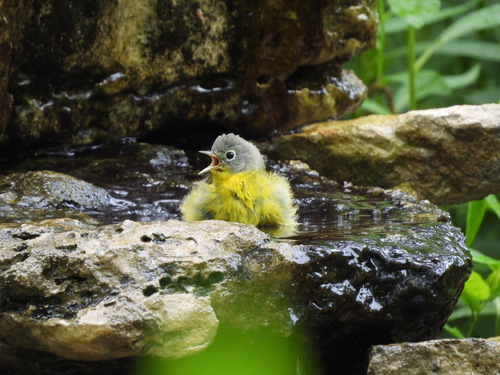 Reinita de Nashville
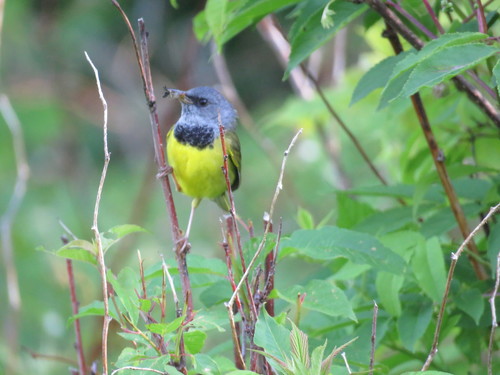 Reinita Plañidera
En breve
La marca de campo más confiable entre la Reinita de Nashville y la Reinita Plañidera es el anillo ocular: la Reinita de Nashville siempre muestra un anillo ocular blanco completo y audaz, mientras que la Reinita Plañidera nunca lo hace; los adultos carecen de anillo ocular, y los inmaduros muestran solo uno débil y roto. Además, la Reinita de Nashville tiene una garganta y un pecho amarillos limpios, en contraste con su cabeza gris y su espalda verdosa, mientras que los machos de la Reinita Plañidera tienen una capucha gris y una mancha de garganta oscura (negruzca), con hembras e inmaduros mostrando una garganta más apagada, amarillenta o grisácea y solo un anillo ocular parcial. La Reinita Plañidera también es notablemente más robusta y de cuerpo más largo. Estas diferencias se mantienen a través de las edades y las estaciones, pero pueden ser sutiles en otoño o en aves jóvenes, por lo que prestar atención cuidadosa al anillo ocular y al color de la garganta es clave.
Consejos de identificación
- El anillo ocular es la mejor marca: La Reinita de Nashville siempre muestra un anillo ocular blanco completo y audaz en todos los plumajes y edades. Los adultos de la Reinita Plañidera carecen completamente de anillo ocular; los inmaduros muestran solo un anillo ocular débil y roto. Si ves un anillo ocular completo y sin interrupciones, es Nashville.
- Color de la garganta: La Reinita de Nashville tiene una garganta y un pecho amarillos limpios y brillantes, claramente diferenciados de la cabeza gris. Los machos de la Reinita Plañidera tienen una capucha gris y una mancha negra en la garganta y el pecho; las hembras y los inmaduros tienen una garganta amarillenta-grisácea o con un tinte oliváceo, nunca tan limpia o brillante como la de Nashville.
- Patrón de la cabeza: La cabeza de Nashville es gris simple (a veces con una mancha de corona oxidada oculta en los machos), en contraste con una espalda verdosa. Los machos de la Reinita Plañidera tienen una capucha gris y loretes negros; las hembras/inmaduros tienen una cabeza marrón-grisácea con un anillo ocular más apagado e incompleto.
- Partes inferiores: Nashville muestra un vientre blanco y un ventrículo amarillo, con una división clara del pecho amarillo. Las partes inferiores de la Reinita Plañidera son amarillas pero más apagadas y menos claramente divididas, a menudo con un tinte marrón o oliváceo en el pecho en hembras/inmaduros.
- Espalda y manto: La espalda de Nashville es verdosa, en contraste con la cabeza gris (especialmente en la subespecie oriental). Las partes superiores de la Reinita Plañidera son verde olivo pero se mezclan más suavemente con la cabeza, especialmente en hembras/inmaduros.
- Tamaño y estructura: La Reinita Plañidera es notablemente más grande y robusta, con un cuerpo más pesado y alas más largas. Nashville es más pequeña, más delgada y más delicada en general.
- Pico y patas: Ambas tienen picos delgados y puntiagudos, pero la Reinita Plañidera tiene patas rosas, lo que puede ser una marca de apoyo sutil.
- Nivel de actividad: La Reinita Plañidera es más activa y robusta en movimiento, a menudo forrajeando bajo en la cubierta densa. Nashville es menos activa y a menudo mueve su cola.
- Barras alares: Ambas especies carecen de barras alares, por lo que esta no es una marca útil para la separación.
- Trampas de sexo y edad: Las hembras e inmaduros de la Reinita Plañidera pueden confundirse con Nashville, pero siempre verifica el anillo ocular completo y la garganta amarilla limpia de Nashville. El anillo ocular incompleto y la garganta más apagada de la Reinita Plañidera son clave.
- Cambios estacionales: En otoño, los machos de la Reinita Plañidera pierden algo de la audacia en su capucha y mancha de garganta, pero aún carecen de un anillo ocular completo y de una garganta amarilla limpia. Nashville permanece brillante y contrastante, aunque las hembras/inmaduros son más apagados.
- Contexto de hábitat: En bosques densos de segundo crecimiento o matorrales regenerantes, especialmente en el este, es más probable encontrar a la Reinita Plañidera. En bosques más abiertos o áreas arbustivas, especialmente en el norte o el oeste, se prefiere a Nashville.
- Variación de subespecies: Las Reinita de Nashville occidentales (Calaveras) tienen un manto y cabeza menos contrastantes, pero aún muestran el anillo ocular completo y las partes inferiores amarillas.
- Sin patrón distintivo de vuelo o parte superior del ala: Ninguna de las especies muestra un patrón único de ala en vuelo, por lo que se debe confiar en las marcas de la cabeza y las partes inferiores.
- Comparación directa: Si ambas especies están presentes, busca la Reinita de Nashville más pequeña, brillante y con marcas más nítidas frente a la Reinita Plañidera más grande, apagada y robusta.
Tamaño
La Reinita Plañidera es consistentemente más grande y pesada que la Reinita de Nashville. La Reinita Plañidera promedia alrededor de 11.9 g en masa corporal, en comparación con los 8.8 g de Nashville [avonet]. En el campo, la Reinita Plañidera parece más robusta y de cuerpo más largo (10–15 cm de longitud, 18 cm de envergadura), mientras que Nashville es más pequeña y más delicada (11–13 cm de longitud, 17–20 cm de envergadura) [wikipedia, wikidata]. La diferencia es sutil a distancia, pero lado a lado, la Reinita Plañidera es más robusta y con alas más largas.
Plumaje
Para todas las edades, el anillo ocular es diagnóstico: la Reinita de Nashville siempre muestra un anillo ocular blanco completo y audaz, mientras que los adultos de la Reinita Plañidera carecen de anillo ocular y los inmaduros tienen solo uno débil y roto. El macho adulto de Nashville tiene una cabeza gris, espalda verde olivo, garganta y pecho amarillos, y un vientre blanco, con una mancha de corona oxidada generalmente oculta. Las hembras y los inmaduros son más apagados pero aún muestran el anillo ocular completo y las partes inferiores amarillas. Los machos adultos de la Reinita Plañidera tienen una capucha gris, loretes negros y una mancha negra en la garganta y el pecho; en otoño, esta capucha y mancha se vuelven menos distintas pero aún están presentes. Las hembras y los inmaduros tienen una cabeza marrón-grisácea, anillo ocular incompleto y una garganta amarillenta-grisácea con un tinte marrón o oliváceo en el pecho. La Reinita Plañidera nunca muestra una garganta amarilla limpia como la de Nashville, y las partes inferiores están menos claramente divididas. Ambas carecen de barras alares, pero el plumaje de Nashville es más brillante y contrastante en general. No se describe un patrón específico de parte superior del ala para ninguna de las especies.
Comportamiento
La Reinita de Nashville forrajea recogiendo en árboles y arbustos bajos, a menudo moviendo su cola y a veces uniéndose a bandadas de especies mixtas, especialmente en invierno. La Reinita Plañidera también forrajea bajo en vegetación densa, pero generalmente es más activa y robusta en sus movimientos. Nashville se describe como menos activa que la Reinita Plañidera, lo que puede ayudar en la comparación directa. Ambas especies son insectívoras, pero se observa que la Reinita Plañidera quita patas y alas de la presa antes de comer.
Hábitat
La Reinita de Nashville cría en el norte y oeste de EE. UU. y el sur de Canadá, prefiriendo bosques abiertos y áreas arbustivas, y pasa el invierno en el sur de California, Texas, México y América Central. La Reinita Plañidera cría en el este y centro de América del Norte, prefiriendo bosques densos de segundo crecimiento, matorrales y claros regenerantes, y pasa el invierno más al sur en América Central y del Sur. Durante la migración, ambas pueden superponerse en hábitats arbustivos o matorrales, pero la Reinita Plañidera está más ligada a áreas densas y regenerantes, especialmente durante la cría.
Reinita de Nashville · Reinita Plañidera · Mis aves difíciles