

nashville warbler vs mariquita-de-connecticut
Leiothlypis ruficapilla versus Oporornis agilis
Jogue um quiz com nashville warbler e mariquita-de-connecticut
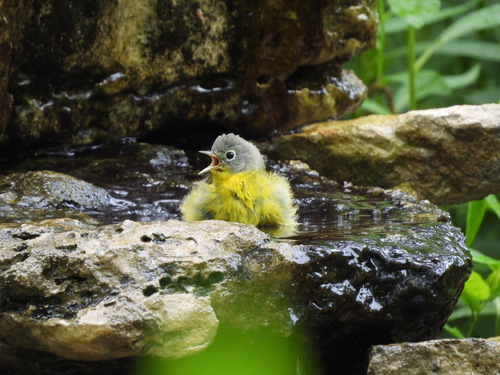 nashville warbler
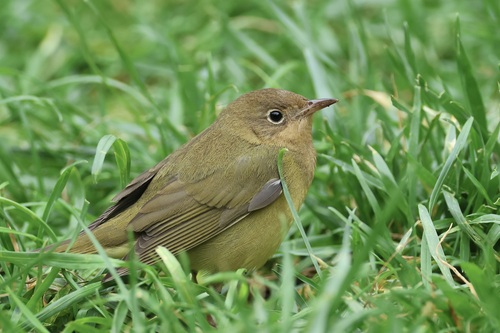 mariquita-de-connecticut
Em resumo
A marca de campo mais confiável entre o nashville warbler e a mariquita-de-connecticut é a combinação da cor da cabeça e da garganta: o nashville warbler de todas as idades apresenta um anel ocular branco completo, cabeça cinza e garganta amarela brilhante, enquanto a mariquita-de-connecticut tem um anel ocular mais pálido e menos contrastante, uma capuz cinza ou marrom (dependendo da idade/sexo) e uma barriga amarela com uma garganta esbranquiçada ou acinzentada em fêmeas e imaturos. A mariquita-de-connecticut é visivelmente maior e com cauda mais longa, com um comportamento mais pesado e de andar mais próximo do chão, enquanto o nashville warbler é menor, mais ativo e frequentemente balança a cauda. Em voo ou empoleirado, verifique a aparência compacta e de cauda curta do nashville e o contraste mais forte entre a cabeça e as costas, em comparação com a cauda longa, tamanho maior e menos contraste entre a cabeça e as costas da mariquita-de-connecticut. As plumagens juvenis/imaturas podem ser confusas, mas a garganta e o anel ocular permanecem como chaves.
Dicas de identificação
- Anel ocular: O nashville warbler de todas as idades apresenta um anel ocular branco completo e ousado; o da mariquita-de-connecticut é mais pálido, mais fino e menos conspícuo. Esta é frequentemente a marca de campo mais rápida em distâncias curtas.
- Cor da cabeça: O nashville tem uma cabeça cinza (machos com uma mancha de cor ferrugem oculta), contrastando fortemente com as costas verde-oliva (especialmente em aves do leste). Machos adultos da mariquita-de-connecticut têm um capuz cinza, mas se estende mais para baixo e é menos definido; fêmeas/imaturos são marrons-oliva na cabeça.
- Cor da garganta: O nashville sempre apresenta uma garganta amarela (mais brilhante em adultos, mais opaca em imaturos), enquanto a mariquita-de-connecticut tem uma garganta esbranquiçada ou acinzentada em fêmeas/imaturos e uma garganta mais pálida em machos adultos (nunca tão amarela brilhante quanto a do nashville).
- Partes inferiores: As partes inferiores do nashville são amarelas na garganta e no peito, desvanecendo para branco na barriga. As partes inferiores da mariquita-de-connecticut são amarelas na barriga, mas a garganta é mais pálida e a transição é menos nítida.
- Costas e manto: O nashville (especialmente a subespécie do leste) tem costas verde-oliva que contrastam com a cabeça cinza; as costas oliva da mariquita-de-connecticut se misturam mais suavemente ao capuz, com menos contraste.
- Cauda: A mariquita-de-connecticut tem uma cauda mais longa e parece mais longa e volumosa no geral; o nashville é compacto e de cauda curta.
- Bico: Ambas as espécies têm bicos finos e pontudos, mas o da mariquita-de-connecticut pode parecer ligeiramente mais pesado e longo em proporção à cabeça, especialmente em uma ave maior.
- Cor das pernas: A mariquita-de-connecticut tem pernas rosas, que podem ser uma marca sutil, mas útil, se vistas bem; as pernas do nashville são escuras.
- Comportamento: O nashville é ativo, balança a cauda e forrageia em arbustos e árvores baixas; a mariquita-de-connecticut anda no chão, balança a cauda e se move de forma mais lenta e deliberada.
- Comportamento em voo: O nashville parece compacto, de cauda curta e rápido; a mariquita-de-connecticut é maior, de cauda longa e mais pesada em voo.
- Habitat: Durante a migração, a mariquita-de-connecticut é frequentemente encontrada em matagais densos e úmidos ou no chão; o nashville prefere bordas arbustivas e árvores baixas.
- Armadilhas de sexo/idade: Imaturos e fêmeas da mariquita-de-connecticut são mais marrons na cabeça e têm uma garganta esbranquiçada, que pode ser confundida com nashvilles mais opacos, mas o anel ocular e a cor da garganta permanecem confiáveis.
- Sem barras alares: Ambas as espécies não têm barras alares e padrões fortes nas asas; não confie em marcas nas asas para separação.
- Contexto sazonal: A mariquita-de-connecticut é rara e local durante a migração em grande parte dos EUA; o nashville é mais disseminado e comum durante a migração e no inverno.
- Tamanho: Se vistas juntas ou com referência, o tamanho maior e mais volumoso da mariquita-de-connecticut e a cauda mais longa são aparentes, mas tenha cuidado com ilusões de tamanho no campo.
Tamanho
A mariquita-de-connecticut é distintamente maior e mais pesada que o nashville warbler. A mariquita-de-connecticut mede em média 13–15 cm de comprimento e pode pesar até 15 g como adulto (às vezes muito mais antes da migração), com uma envergadura de 22–23 cm. O nashville warbler é menor, com 11–13 cm de comprimento, 8,8 g de massa média e uma envergadura de 17–20 cm. No campo, a mariquita-de-connecticut parece mais volumosa e com cauda mais longa, enquanto o nashville é compacto e leve. Essa diferença de tamanho é frequentemente aparente quando vistas lado a lado ou em referência à folhagem próxima.
Plumagem
Plumagens juvenis e imaturas: Ambas as espécies não têm barras alares e têm partes superiores oliva, mas o nashville warbler de todas as idades apresenta um anel ocular branco completo e ousado e uma garganta amarela, enquanto o anel ocular da mariquita-de-connecticut é mais pálido e mais fino, e a garganta é esbranquiçada ou acinzentada em fêmeas/imaturos (não amarela). O macho adulto do nashville tem uma cabeça cinza com uma mancha de cor ferrugem às vezes oculta, costas verde-oliva e partes inferiores amarelas brilhantes; fêmeas/imaturos são mais opacos, mas ainda mostram a cabeça cinza e a garganta amarela. Machos adultos da mariquita-de-connecticut têm um capuz cinza e barriga amarela, mas a garganta é mais pálida (não amarela brilhante), e o capuz se estende mais para baixo no peito. Fêmeas e imaturos são mais marrons na cabeça e têm uma garganta esbranquiçada, misturando-se à barriga amarela, com menos contraste no geral. Ambas as espécies têm costas oliva, mas as do nashville contrastam mais com a cabeça (especialmente na subespécie do leste), enquanto as costas e o capuz da mariquita-de-connecticut se misturam mais suavemente. Nenhuma das espécies apresenta barras alares ou padrões fortes nas asas em qualquer idade.
Comportamento
O nashville warbler é ativo, frequentemente balança a cauda e forrageia em árvores e arbustos baixos, às vezes se juntando a bandos de espécies mistas no inverno. A mariquita-de-connecticut é mais solitária, forrageia principalmente andando no chão e também balança a cauda, mas tende a se mover com um passo mais lento e deliberado. O comportamento de andar no chão, com pernas longas da mariquita-de-connecticut é distinto, enquanto o nashville é mais arbóreo e se move rapidamente. Durante a migração, a mariquita-de-connecticut pode se juntar a pequenos grupos ou bandos mistos, mas raramente é tão ativa ou arbórea quanto o nashville.
Habitat
O nashville warbler se reproduz no norte e oeste dos EUA e no sul do Canadá, preferindo habitats de florestas jovens ou arbustivas, e inverna no sul da Califórnia, Texas, México e norte da América Central. A mariquita-de-connecticut se reproduz mais ao norte em florestas boreais ou mistas, e é um migrante raro em grande parte dos EUA. Durante a migração, a mariquita-de-connecticut é frequentemente encontrada em matagais densos e úmidos ou no chão em campos infestados de ervas daninhas, enquanto o nashville é mais provável de ser encontrado em bordas arbustivas, crescimento secundário ou árvores baixas. A sobreposição de habitat é possível durante a migração, mas a preferência da mariquita-de-connecticut por cobertura do solo e habitats mais densos e úmidos pode ser uma pista.
nashville warbler · mariquita-de-connecticut · Minhas aves difíceis