

Nashville Warbler vs Connecticut Warbler
Leiothlypis ruficapilla contro Oporornis agilis
Fai un quiz con Nashville Warbler e Connecticut Warbler
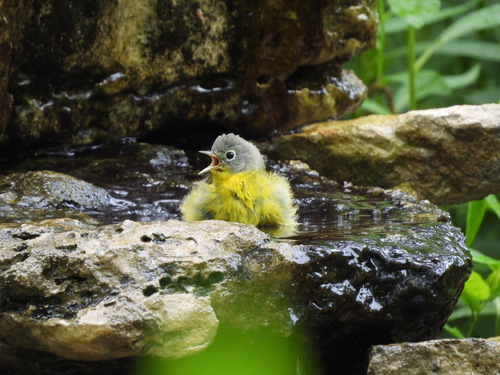 Nashville Warbler
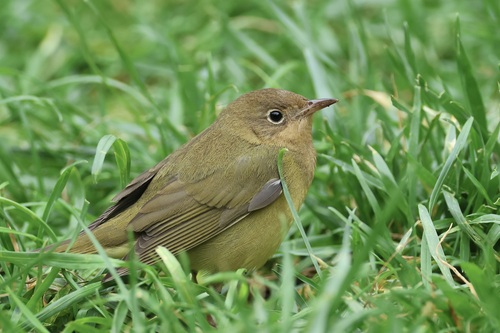 Connecticut Warbler
In breve
Il segno di campo più affidabile tra Nashville Warbler e Connecticut Warbler è la combinazione di colore della testa e gola: Nashville Warbler di tutte le età mostra un anello oculare bianco completo, testa grigia e gola gialla brillante, mentre Connecticut Warbler ha un anello oculare più pallido e meno contrastante, un cappuccio grigio o marrone (a seconda dell'età/sesso) e una pancia gialla con una gola biancastra o grigiasta nelle femmine e negli immaturi. Connecticut è notevolmente più grande e con una coda più lunga, con un aspetto più pesante e camminante, mentre Nashville è più piccolo, più attivo e spesso muove la coda. In volo o posato, controlla l'aspetto compatto e a coda corta di Nashville e il contrasto più audace tra testa e dorso, rispetto alla lunga coda, alla maggiore dimensione e al minore contrasto tra testa e dorso di Connecticut. Le piume giovanili/immature possono essere confuse, ma la gola e l'anello oculare rimangono chiave.
Consigli di identificazione
- Eye-ring: Nashville Warbler di tutte le età mostra un anello oculare bianco completo e audace; quello di Connecticut è più pallido, più sottile e meno evidente. Questo è spesso il segno di campo più rapido a distanza ravvicinata.
- Head color: Nashville ha una testa grigia (maschi con una macchia di corona rugginosa nascosta), in netto contrasto con il dorso verde oliva (soprattutto negli uccelli orientali). I maschi adulti di Connecticut hanno un cappuccio grigio, ma si estende più in basso ed è meno definito; femmine/immaturi sono marrone-olive sulla testa.
- Throat color: Nashville mostra sempre una gola gialla (più brillante negli adulti, più opaca negli immaturi), mentre Connecticut ha una gola biancastra o grigiasta nelle femmine/immaturi e una gola più pallida nei maschi adulti (mai gialla brillante come Nashville).
- Underparts: Le parti inferiori di Nashville sono gialle sulla gola e sul petto, sfumando a bianco sulla pancia. Le parti inferiori di Connecticut sono gialle sulla pancia, ma la gola è più pallida e la transizione è meno netta.
- Back and mantle: Nashville (soprattutto le sottospecie orientali) ha un dorso verde oliva che contrasta con la testa grigia; il dorso oliva di Connecticut si fonde più dolcemente nel cappuccio, con meno contrasto.
- Tail: Connecticut Warbler ha una coda più lunga e appare più lunga e massiccia nel complesso; Nashville è compatto e a coda corta.
- Bill: Entrambe le specie hanno becchi sottili e appuntiti, ma quello di Connecticut può apparire leggermente più pesante e lungo in proporzione alla testa, soprattutto su un uccello più grande.
- Leg color: Connecticut Warbler ha zampe rosa, che possono essere un segno sottile ma utile se viste bene; le zampe di Nashville sono scure.
- Behavior: Nashville è attivo, muove la coda e cerca cibo in arbusti e alberi bassi; Connecticut cammina a terra, muove la coda e si muove più lentamente e deliberatamente.
- Flight jizz: Nashville appare compatto, a coda corta e veloce; Connecticut è più grande, a coda lunga e più pesante in volo.
- Habitat: In migrazione, Connecticut si trova spesso in folti cespugli umidi o a terra; Nashville preferisce i margini cespugliosi e gli alberi bassi.
- Sex/age pitfalls: I Connecticut immaturi e femminili sono più marroni sulla testa e hanno una gola biancastra, che può essere confusa con i Nashville più opachi, ma l'anello oculare e il colore della gola rimangono affidabili.
- No wing bars: Entrambe le specie mancano di barre alari e forti modelli di ala superiore; non fare affidamento sulle marcature delle ali per la separazione.
- Seasonal context: Connecticut è raro e locale in migrazione attraverso gran parte degli Stati Uniti; Nashville è più diffuso e comune in migrazione e inverno.
- Size: Se viste insieme o con riferimento, la dimensione più grande e massiccia di Connecticut e la coda più lunga sono evidenti, ma fai attenzione alle illusioni di dimensione sul campo.
Taglia
Connecticut Warbler è nettamente più grande e pesante di Nashville Warbler. Connecticut misura in media 13–15 cm di lunghezza e può pesare fino a 15 g da adulto (a volte molto di più prima della migrazione), con un'apertura alare di 22–23 cm. Nashville Warbler è più piccolo, con una lunghezza di 11–13 cm, una massa media di 8,8 g e un'apertura alare di 17–20 cm. Sul campo, Connecticut appare più massiccio e con una coda più lunga, mentre Nashville è compatto e leggero. Questa differenza di dimensione è spesso evidente quando viste fianco a fianco o con riferimento al fogliame circostante.
Piumaggio
Piumaggi giovanili e immaturi: Entrambe le specie mancano di barre alari e hanno parti superiori olive, ma Nashville Warbler di tutte le età mostra un anello oculare bianco completo e audace e una gola gialla, mentre l'anello oculare di Connecticut è più pallido e sottile, e la gola è biancastra o grigiasta nelle femmine/immaturi (non gialla). Il maschio adulto di Nashville ha una testa grigia con una macchia di corona rugginosa a volte nascosta, dorso verde oliva e parti inferiori gialle brillanti; femmine/immaturi sono più opachi ma mostrano ancora la testa grigia e la gola gialla. I maschi adulti di Connecticut hanno un cappuccio grigio e una pancia gialla, ma la gola è più pallida (non gialla brillante), e il cappuccio si estende più in basso sul petto. Femmine e immaturi sono più marroni sulla testa e hanno una gola biancastra, che si fonde in una pancia gialla, con meno contrasto complessivo. Entrambe le specie hanno dorso olive, ma quello di Nashville è più contrastante con la testa (soprattutto nelle sottospecie orientali), mentre il dorso e il cappuccio di Connecticut si fondono più dolcemente. Nessuna delle due specie mostra barre alari o forti modelli di ala superiore in nessuna età.
Comportamento
Nashville Warbler è attivo, spesso muove la coda e cerca cibo in alberi e arbusti bassi, a volte unendosi a stormi misti in inverno. Connecticut Warbler è più solitario, cerca cibo principalmente camminando a terra e muove anche la coda ma tende a muoversi con un passo più lento e deliberato. L'aspetto camminante a terra e le lunghe zampe di Connecticut sono distintivi, mentre Nashville è più arboricolo e veloce. In migrazione, Connecticut può unirsi a piccoli gruppi o stormi misti, ma raramente è attivo o arboricolo come Nashville.
Habitat
Nashville Warbler nidifica nel nord e nell'ovest degli Stati Uniti e nel sud del Canada, preferendo habitat di boschi giovani o cespugliosi, e sverna nel sud della California, Texas, Messico e nel nord dell'America Centrale. Connecticut Warbler nidifica più a nord in foreste boreali o miste, ed è un migrante raro attraverso gran parte degli Stati Uniti. In migrazione, Connecticut si trova spesso in folti cespugli umidi o a terra in campi infestati, mentre Nashville è più probabile trovarlo ai margini cespugliosi, nella seconda crescita o in alberi bassi. È possibile un sovrapposizione degli habitat in migrazione, ma la preferenza di Connecticut per la copertura del suolo e habitat più densi e umidi può essere un indizio.
Nashville Warbler · Connecticut Warbler · I miei uccelli difficili