

marbled murrelet vs pigeon guillemot
Brachyramphus marmoratus versus Cepphus columba
Jogue um quiz com marbled murrelet e pigeon guillemot
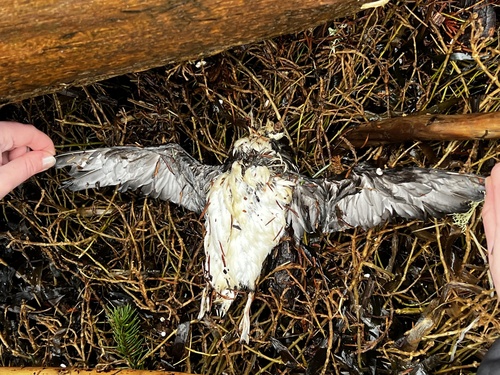 marbled murrelet
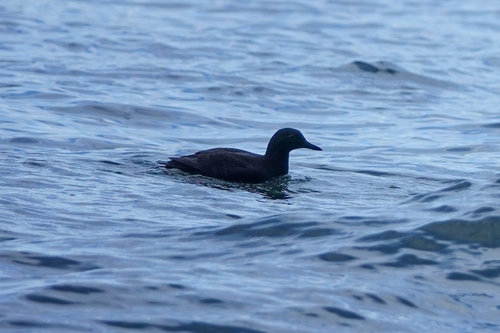 pigeon guillemot
Em resumo
A marca de campo mais confiável entre marbled murrelet e pigeon guillemot é a presença de uma mancha branca ousada na asa em todas as plumagens de pigeon guillemot, que nunca é mostrada por marbled murrelet. Em voo ou em repouso, essa mancha branca na asa—quebrada por um cunho escuro—é diagnóstica para pigeon guillemot de qualquer idade ou estação. Marbled murrelet é menor, mais robusto e não possui branco na asa, mostrando em vez disso partes superiores escuras uniformes na reprodução e um padrão mais sutil preto e branco no inverno. A estrutura do bico, a cor das pernas e a aparência geral também diferem, mas a mancha na asa é a verificação de campo mais rápida. Pássaros imaturos e não reprodutores são frequentemente confundidos, mas mesmo assim, a asa branca do guillemot se destaca.
Dicas de identificação
- Mancha branca na asa (todas as idades, todas as estações): Pigeon Guillemot sempre mostra uma mancha branca ousada na asa quebrada por um cunho escuro; marbled murrelet nunca mostra branco na asa. Esta é a marca de campo mais confiável, especialmente em voo ou quando as asas estão abertas.
- Tamanho e forma: Pigeon Guillemot é maior e mais longo (30–37 cm) do que o compacto e robusto marbled murrelet (25 cm). Guillemot parece mais alongado, enquanto murrelet é de pescoço curto e atarracado.
- Estrutura do bico: Marbled Murrelet tem um bico preto, curto e esguio; o bico de Pigeon Guillemot é mais longo e pesado, às vezes parecendo ligeiramente curvado para baixo, especialmente em aves do sul.
- Cor das pernas: Pigeon Guillemot tem pernas e pés vermelhos brilhantes, frequentemente visíveis quando empoleirados ou nadando. As pernas de marbled murrelet são escuras e muito menos conspícuas.
- Comportamento de empoleiramento: Pigeon Guillemot frequentemente se empoleira em rochas, docas ou até caminha em terra; marbled murrelet quase nunca é visto fora da água, exceto em locais de ninho escondidos.
- Plumagem de reprodução: Marbled Murrelet é marrom manchado no geral, sem branco na asa ou na garganta; Pigeon Guillemot é marrom escuro com um brilho negro e uma mancha branca ousada na asa.
- Plumagem não reprodutiva: Marbled Murrelet é branco por baixo com uma coroa, nuca e costas pretas, e um colar branco no pescoço (ausente no guillemot); Pigeon Guillemot é branco por baixo e escuro por cima, mas sempre com uma mancha branca na asa e asas inferiores escuras.
- Plumagem juvenil/imatura: Os juvenis de Pigeon Guillemot têm listras marrons por baixo e uma mancha branca na asa menor; os juvenis de marbled murrelet se assemelham a adultos de sua estação, nunca mostrando branco na asa.
- Estilo de voo: Marbled Murrelet tem asas pontudas e um voo rápido e direto; Pigeon Guillemot tem asas mais curtas e arredondadas e pode parecer menos ágil no ar, frequentemente exigindo um impulso inicial da água.
- Contexto de habitat: Aves vistas perto de costas rochosas, empoleiradas em rochas ou docas são quase sempre Pigeon Guillemots. Marbled Murrelets são mais propensos a serem vistos em alto-mar ou voando ao amanhecer/anoitecer em direção a locais de ninho florestais.
- Cor das asas inferiores: Pigeon Guillemot tem asas inferiores escuras e simples em todas as plumagens; a asa inferior de marbled murrelet não é especificamente descrita como diagnóstica, mas carece do padrão do guillemot.
- Padrão da cabeça (não reprodutiva): Marbled Murrelet tem um colar branco no pescoço e uma coroa preta; a cabeça de Pigeon Guillemot é mais escura com penas com pontas brancas, às vezes dando uma aparência escamosa.
- Cor da garganta (reprodução): Marbled Murrelet não tem uma garganta pálida; a garganta de Pigeon Guillemot não é distintamente pálida, mas a cabeça geral é escura.
- Cor do bico: Ambos têm bicos pretos, mas o do guillemot é mais longo e pesado.
- Risco de confusão: A maioria das confusões ocorre com aves imaturas ou não reprodutoras em voo—sempre verifique a mancha branca na asa para confirmar guillemot, e lembre-se de que murrelet nunca mostra essa marca.
Tamanho
Pigeon Guillemot é visivelmente maior e mais pesado do que marbled murrelet. Pigeon Guillemot mede 30–37 cm de comprimento e pesa 450–550 g [wikipedia], enquanto marbled murrelet é menor, com cerca de 25 cm [wikipedia]. Essa diferença de tamanho é aparente em comparação direta, mas menos à distância ou na água. O guillemot também parece ter um corpo mais longo e menos compacto do que o robusto e de pescoço curto murrelet.
Plumagem
-
Juvenil/Primeiro-inverno/Imaturo: Pigeon Guillemot de todas as idades mostra uma mancha branca na asa, mesmo nos juvenis, embora possa ser menor e menos nítida. Juvenis de guillemot têm listras marrons nas partes inferiores e mais marrom nas partes superiores, mas a mancha branca na asa permanece. Imaturos de marbled murrelet se assemelham a adultos de sua estação, sem mostrar branco na asa, e têm uma parte superior escura mais uniforme.
-
Não reprodutiva (inverno): Marbled Murrelet é branco por baixo com uma coroa, nuca, asas e costas pretas, e mostra um colar branco no pescoço. Pigeon Guillemot é branco por baixo e escuro por cima, mas sempre com uma mancha branca na asa quebrada por um cunho escuro; as asas inferiores são simples e escuras. A cabeça do guillemot é mais escura com penas com pontas brancas, às vezes dando uma aparência escamosa.
-
Reprodutiva (verão): Marbled Murrelet é marrom manchado no geral, sem branco na asa ou na garganta. Pigeon Guillemot é marrom escuro com um brilho negro, e a mancha branca na asa é especialmente ousada e diagnóstica. As pernas do guillemot são vermelhas brilhantes, enquanto as do murrelet são escuras e menos conspícuas.
-
Contraste chave: A mancha branca na asa de Pigeon Guillemot é visível em todas as plumagens e idades, enquanto marbled murrelet nunca mostra branco na asa.
Comportamento
Pigeon Guillemot frequentemente se senta ereto em rochas, docas ou na costa, frequentemente descansando em seus tarsos e caminhando bem em terra—o que é incomum para um auk. É um forte nadador e mergulhador de superfície, usando tanto as asas quanto os pés para propulsão. Marbled Murrelet é mais estritamente pelágico, raramente visto em terra, exceto em locais de ninho (que estão escondidos em florestas de crescimento antigo ou em terrenos remotos). Murrelets são menos propensos a serem vistos empoleirados ou caminhando, e seu voo é direto e rápido, com asas pontudas. Pigeon Guillemot pode ser visto voando baixo sobre a água, mas sua decolagem é trabalhosa em comparação com a do murrelet.
Habitat
Marbled Murrelet é tipicamente encontrado em alto-mar ou perto de florestas costeiras, especialmente onde árvores de crescimento antigo estão presentes para nidificação. Raramente é visto perto da costa, exceto durante voos ao amanhecer ou anoitecer para locais de ninho. Pigeon Guillemot é muito mais costeiro, frequentemente visto perto de costas rochosas, portos e docas, e se sente confortável empoleirando-se em rochas ou estruturas feitas pelo homem. Se uma ave é vista em terra ou empoleirada em uma rocha, é quase certamente um guillemot, não um murrelet.