

Motmot

アメリカマダラウミスズメ 対 ウミバト

Brachyramphus marmoratus 対 Cepphus columba

アメリカマダラウミスズメとウミバトのクイズ
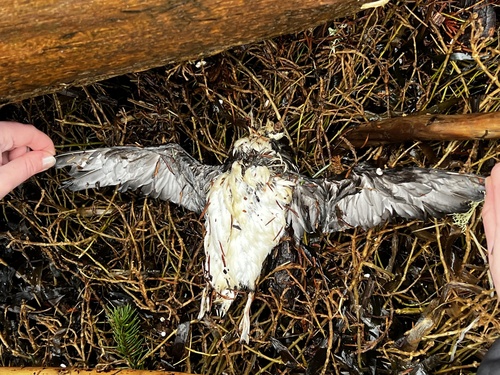
アメリカマダラウミスズメ (Brachyramphus marmoratus) アメリカマダラウミスズメ
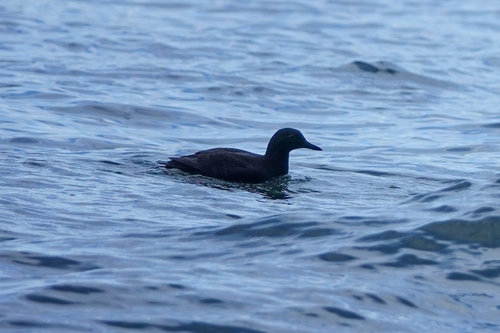
ウミバト (Cepphus columba) ウミバト

メディア

読み込み中…

要点

アメリカマダラウミスズメとウミバトの最も信頼できるフィールドマークは、ウミバトのすべての羽衣に存在する大胆な白い翼の斑点であり、アメリカマダラウミスズメには決して見られません。飛行中または静止中、この白い翼の斑点は、年齢や季節に関係なくウミバトの診断的な特徴です。アメリカマダラウミスズメは小さく、ずんぐりしており、翼に白い部分がなく、繁殖期には均一な暗い上面を示し、冬にはより控えめな黒と白のパターンを示します。くちばしの構造、脚の色、全体的な印象も異なりますが、翼の斑点が最も迅速なフィールドチェックです。未熟な個体や非繁殖の鳥は最も混同されやすいですが、それでもウミバトの白い翼は際立っています。

識別のコツ

  1. 白い翼の斑点(すべての年齢、すべての季節): ウミバトは常に暗いくさびによって分断された大胆な白い翼の斑点を示します; アメリカマダラウミスズメは翼に白い部分を決して示しません。これは、特に飛行中や翼が広げられたときに最も信頼できるフィールドマークです。
  2. サイズと形: ウミバトはコンパクトでずんぐりしたアメリカマダラウミスズメ(25 cm)よりも大きく、体長(30–37 cm)が長いです。ウミバトはより細長く見え、アメリカマダラウミスズメは短い首とずんぐりした体型です。
  3. くちばしの構造: アメリカマダラウミスズメは細長く短い黒いくちばしを持っています; ウミバトのくちばしは長く重く、時には南部の個体でわずかに下向きに見えることがあります。
  4. 脚の色: ウミバトは明るい赤い脚と足を持ち、止まっているときや泳いでいるときによく見えます。アメリカマダラウミスズメの脚は暗く、目立たないです。
  5. 止まり方: ウミバトは頻繁に岩や桟橋、さらには陸上を歩くこともあります; アメリカマダラウミスズメは隠れた巣の場所を除いて水から出ているのはほとんど見られません。
  6. 繁殖羽衣: アメリカマダラウミスズメは全体的にまだらな茶色で、翼や喉に白い部分はありません; ウミバトは黒い光沢のある暗い茶色で、大胆な白い翼の斑点があります。
  7. 非繁殖羽衣: アメリカマダラウミスズメは白い腹部を持ち、黒い冠、うなじ、背中、白い首の襟(ウミバトにはありません)を持っています; ウミバトは白い腹部と暗い上面を持ちますが、常に白い翼の斑点と暗い下翼を持っています。
  8. 幼鳥/未熟羽衣: ウミバトの幼鳥は下に茶色の縞模様があり、より小さな白い翼の斑点があります; アメリカマダラウミスズメの幼鳥はその季節の成鳥に似ており、翼に白い部分は決して示しません。
  9. 飛行スタイル: アメリカマダラウミスズメは尖った翼と迅速で直接的な飛行を持っています; ウミバトは短く丸い翼を持ち、空中であまり機敏に見えないことがあり、水からの走り出しが必要なことがよくあります。
  10. 生息地の文脈: 岩の近くで見られる鳥、岩の上に止まっている鳥、または桟橋にいる鳥はほとんど常にウミバトです。アメリカマダラウミスズメは沖合や夕暮れ/夜明けに森林の巣の場所に向かって飛んでいるのが見られることが多いです。
  11. 下翼の色: ウミバトはすべての羽衣で無地の暗い下翼を持っています; アメリカマダラウミスズメの下翼は特に診断的に記述されていませんが、ウミバトのパターンはありません。
  12. 頭の模様(非繁殖): アメリカマダラウミスズメは白い首の襟と黒い冠を持っています; ウミバトの頭は暗く、白い先端の羽毛があり、時には波状の外観を与えます。
  13. 喉の色(繁殖): アメリカマダラウミスズメは淡い喉を欠いています; ウミバトの喉は明確に淡いわけではありませんが、全体的に頭は暗いです。
  14. くちばしの色: 両方とも黒いくちばしを持っていますが、ウミバトの方が長く重いです。
  15. 混同のリスク: ほとんどのクイズの混乱は、飛行中の未熟または非繁殖の鳥で発生します—常にウミバトを確認するために白い翼の斑点をチェックし、アメリカマダラウミスズメはこのマークを決して示さないことを覚えておいてください。

大きさ

ウミバトはアメリカマダラウミスズメよりも明らかに大きく、重いです。ウミバトは体長30–37 cmで、体重は450–550 g [wikipedia]ですが、アメリカマダラウミスズメは約25 cm [wikipedia]と小さいです。このサイズの違いは直接比較で明らかですが、距離がある場合や水上ではそれほどではありません。ウミバトはまた、ずんぐりした短い首のアメリカマダラウミスズメよりも長い体型に見えます。

羽色

行動

ウミバトはしばしば岩、桟橋、または海岸に直立して座り、頻繁に足首に休んで陸上を歩くことができる—アウクにとっては異常です。ウミバトは強力な表面泳ぎ手であり、両方の翼と足を推進に使用します。アメリカマダラウミスズメはより厳密に外洋性であり、巣の場所(古い森林や遠隔地に隠れている)を除いて陸上で見られることはほとんどありません。マダラウミスズメは止まっているか歩いているのが見られる可能性が低く、飛行は直接的で迅速で、尖った翼を持っています。ウミバトは水面を低く飛んでいるのが見られることがありますが、その離陸はマダラウミスズメに比べて苦労します。

生息環境

アメリカマダラウミスズメは通常、沖合または沿岸の森林の近くに見られ、特に巣作りのために古木が存在する場所で見られます。巣の場所に向かう夕暮れや夜明けの飛行中を除いて、海岸の近くで見られることはほとんどありません。ウミバトははるかに沿岸性であり、しばしば岩の近く、港、桟橋の近くで見られ、岩や人工構造物に止まるのが快適です。もし鳥が陸上で見られたり、岩の上に止まっている場合、それはほぼ確実にウミバトであり、マダラウミスズメではありません。

より良い説明を送る

比較と同じ項目を使ってください。文章はすぐに公開されます。

The most reliable field mark between Marbled Murrelet and Pigeon Guillemot is the presence of a bold white wing patch in all plumages of Pigeon Guillemot, which is never shown by Marbled Murrelet. In flight or at rest, this white wing patch—broken by a dark wedge—is diagnostic for Pigeon Guillemot of any age or season. Marbled Murrelet is smaller, chunkier, and lacks any white in the wing, instead showing uniform dark upperparts in breeding and a more subdued black-and-white pattern in winter. Bill structure, leg color, and overall jizz also differ, but the wing patch is the fastest field check. Immature and non-breeding birds are most often confused, but even then, the guillemot's white wing stands out.

  1. White wing patch (all ages, all seasons): Pigeon Guillemot always shows a bold white wing patch broken by a dark wedge; Marbled Murrelet never shows any white in the wing. This is the single most reliable field mark, especially in flight or when wings are spread.
  2. Size and shape: Pigeon Guillemot is larger and longer-bodied (30–37 cm) than the compact, chunky Marbled Murrelet (25 cm). Guillemot looks more elongated, while murrelet is short-necked and stubby.
  3. Bill structure: Marbled Murrelet has a slender, short black bill; Pigeon Guillemot's bill is longer and heavier, sometimes appearing slightly downcurved, especially in southern birds.
  4. Leg color: Pigeon Guillemot has bright red legs and feet, often visible when perched or swimming. Marbled Murrelet's legs are dark and much less conspicuous.
  5. Perching behavior: Pigeon Guillemot frequently perches on rocks, docks, or even walks on land; Marbled Murrelet is almost never seen out of water except at hidden nest sites.
  6. Breeding plumage: Marbled Murrelet is mottled brown overall with no white in the wing or on the throat; Pigeon Guillemot is dark brown with a black sheen and a bold white wing patch.
  7. Non-breeding plumage: Marbled Murrelet is white below with a black crown, nape, and back, and a white neck collar (absent in guillemot); Pigeon Guillemot is white below and dark above, but always with a white wing patch and dark underwings.
  8. Juvenile/immature plumage: Pigeon Guillemot juveniles have brown barring below and a smaller white wing patch; Marbled Murrelet juveniles resemble adults of their season, never showing white in the wing.
  9. Flight style: Marbled Murrelet has pointed wings and a rapid, direct flight; Pigeon Guillemot has shorter, rounder wings and may appear less agile in the air, often requiring a running start from the water.
  10. Habitat context: Birds seen close to rocky shores, perched on rocks, or docks are almost always Pigeon Guillemots. Marbled Murrelets are more likely to be seen offshore or flying at dusk/dawn toward forested nesting sites.
  11. Underwing color: Pigeon Guillemot has plain, dark underwings in all plumages; Marbled Murrelet's underwing is not specifically described as diagnostic, but lacks the guillemot's pattern.
  12. Head pattern (non-breeding): Marbled Murrelet has a white neck collar and a black crown; Pigeon Guillemot's head is darker with white-tipped feathers, sometimes giving a scalloped look.
  13. Throat color (breeding): Marbled Murrelet lacks a pale throat; Pigeon Guillemot's throat is not distinctly pale but the overall head is dark.
  14. Bill color: Both have black bills, but the guillemot's is longer and heavier.
  15. Confusion risk: Most quiz mix-ups occur with immature or non-breeding birds in flight—always check for the white wing patch to confirm guillemot, and remember that murrelet never shows this mark.

Pigeon Guillemot is noticeably larger and heavier than Marbled Murrelet. Pigeon Guillemot measures 30–37 cm in length and weighs 450–550 g [wikipedia], while Marbled Murrelet is smaller at about 25 cm [wikipedia]. This size difference is apparent in direct comparison, but less so at a distance or on the water. The guillemot also appears longer-bodied and less compact than the chunky, short-necked murrelet.

  • Juvenile/First-winter/Immature: Pigeon Guillemot of all ages shows a white wing patch, even in juveniles, though it may be smaller and less crisp. Juvenile guillemots have brown barring on the underparts and more brown in the upperparts, but the white wing patch remains. Marbled Murrelet immatures resemble adults of their season, lacking any white in the wing, and have a more uniform dark upperwing.

  • Non-breeding (winter): Marbled Murrelet is white below with a black crown, nape, wings, and back, and shows a white neck collar. Pigeon Guillemot is white below and dark above, but always with a white wing patch broken by a dark wedge; underwings are plain and dark. The guillemot's head is darker with white-tipped feathers, sometimes giving a scalloped look.

  • Breeding (summer): Marbled Murrelet is mottled brown overall, lacking any white in the wing or on the throat. Pigeon Guillemot is dark brown with a black sheen, and the white wing patch is especially bold and diagnostic. The guillemot's legs are bright red, while the murrelet's are dark and less conspicuous.

  • Key contrast: The white wing patch of Pigeon Guillemot is visible in all plumages and ages, while Marbled Murrelet never shows white in the wing.

Pigeon Guillemot often sits upright on rocks, docks, or the shore, frequently resting on its tarsi and walking well on land—unusual for an auk. It is a strong surface swimmer and diver, using both wings and feet for propulsion. Marbled Murrelet is more strictly pelagic, rarely seen on land except at nest sites (which are hidden in old-growth forests or on remote ground). Murrelets are less likely to be seen perched or walking, and their flight is direct and rapid, with pointed wings. Pigeon Guillemot may be seen flying low over water, but its takeoff is labored compared to the murrelet.

Marbled Murrelet is typically found offshore or near coastal forests, especially where old-growth trees are present for nesting. It is rarely seen close to shore except during dawn or dusk flights to nest sites. Pigeon Guillemot is much more coastal, often seen close to rocky shores, harbors, and docks, and is comfortable perching on rocks or man-made structures. If a bird is seen on land or perched on a rock, it is almost certainly a guillemot, not a murrelet.

変更を破棄しますか?

保存していない編集があります。今離れると失われます。

アメリカマダラウミスズメ · ウミバト · 苦手な鳥