

Marbled Murrelet vs Pigeon Guillemot
Brachyramphus marmoratus contro Cepphus columba
Fai un quiz con Marbled Murrelet e Pigeon Guillemot
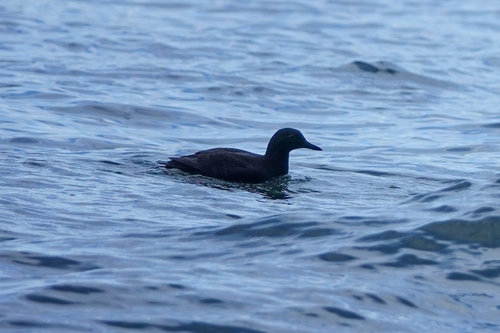
 Marbled Murrelet
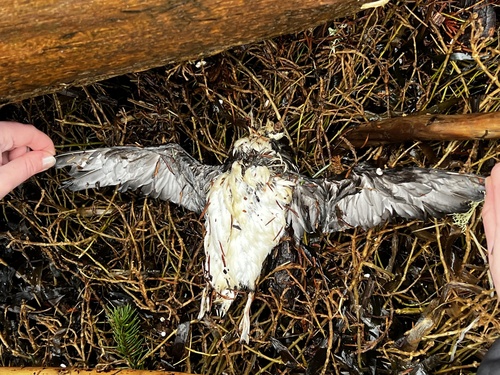
 Pigeon Guillemot
In breve
Il segno distintivo più affidabile tra Marbled Murrelet e Pigeon Guillemot è la presenza di una vistosa macchia bianca sulle ali in tutte le livree di Pigeon Guillemot, che non è mai mostrata da Marbled Murrelet. In volo o a riposo, questa macchia bianca—interrotta da un cuneo scuro—è diagnostica per Pigeon Guillemot di qualsiasi età o stagione. Marbled Murrelet è più piccolo, più tozzo e non presenta alcun bianco nelle ali, mostrando invece parti superiori uniformemente scure durante la riproduzione e un motivo più sobrio in bianco e nero in inverno. La struttura del becco, il colore delle gambe e l'aspetto generale differiscono anche, ma la macchia sulle ali è il controllo sul campo più veloce. Gli uccelli immaturi e non in riproduzione sono spesso confusi, ma anche in quel caso, la macchia bianca del guillemot si distingue.
Consigli di identificazione
- Macchia bianca sulle ali (tutte le età, tutte le stagioni): Pigeon Guillemot mostra sempre una vistosa macchia bianca sulle ali interrotta da un cuneo scuro; Marbled Murrelet non mostra mai alcun bianco nelle ali. Questo è il segno distintivo più affidabile, specialmente in volo o quando le ali sono spiegate.
- Dimensione e forma: Pigeon Guillemot è più grande e ha un corpo più lungo (30–37 cm) rispetto al compatto, tozzo Marbled Murrelet (25 cm). Il guillemot appare più allungato, mentre il murrelet ha un collo corto e tozzo.
- Struttura del becco: Marbled Murrelet ha un becco nero, snello e corto; il becco di Pigeon Guillemot è più lungo e pesante, a volte appare leggermente curvato verso il basso, specialmente negli uccelli meridionali.
- Colore delle gambe: Pigeon Guillemot ha gambe e piedi di un rosso brillante, spesso visibili quando è posato o nuota. Le gambe di Marbled Murrelet sono scure e molto meno appariscenti.
- Comportamento di posarsi: Pigeon Guillemot si posa frequentemente su rocce, moli o addirittura cammina sulla terra; Marbled Murrelet è quasi mai visto fuori dall'acqua, tranne che in siti di nidificazione nascosti.
- Livrea di riproduzione: Marbled Murrelet è marrone maculato nel complesso senza bianco nelle ali o sulla gola; Pigeon Guillemot è marrone scuro con una lucentezza nera e una vistosa macchia bianca sulle ali.
- Livrea non riproduttiva: Marbled Murrelet è bianco sotto con una corona nera, nuca, ali e schiena, e un collare bianco (assente nel guillemot); Pigeon Guillemot è bianco sotto e scuro sopra, ma sempre con una macchia bianca sulle ali e sottoali scure.
- Livrea giovanile/immatura: I giovani Pigeon Guillemot hanno striature marroni sotto e una macchia bianca sulle ali più piccola; i giovani Marbled Murrelet somigliano agli adulti della loro stagione, non mostrando mai bianco nelle ali.
- Stile di volo: Marbled Murrelet ha ali appuntite e un volo rapido e diretto; Pigeon Guillemot ha ali più corte e rotonde e può apparire meno agile in volo, richiedendo spesso un decollo da una corsa sull'acqua.
- Contesto dell'habitat: Gli uccelli visti vicino a coste rocciose, posati su rocce, o moli sono quasi sempre Pigeon Guillemots. Marbled Murrelets sono più propensi a essere visti al largo o volare all'imbrunire/all'alba verso siti di nidificazione boschivi.
- Colore delle sottoali: Pigeon Guillemot ha sottoali scure e semplici in tutte le livree; le sottoali di Marbled Murrelet non sono specificamente descritte come diagnostiche, ma mancano del motivo del guillemot.
- Motivo della testa (non riproduttivo): Marbled Murrelet ha un collare bianco e una corona nera; la testa di Pigeon Guillemot è più scura con piume bianche alle punte, a volte dando un aspetto scallopato.
- Colore della gola (riproduzione): Marbled Murrelet non ha una gola chiara; la gola di Pigeon Guillemot non è distintamente chiara ma la testa nel complesso è scura.
- Colore del becco: Entrambi hanno becchi neri, ma quello del guillemot è più lungo e pesante.
- Rischio di confusione: La maggior parte delle confusioni nei quiz si verifica con uccelli immaturi o non in riproduzione in volo—controlla sempre la macchia bianca sulle ali per confermare il guillemot, e ricorda che il murrelet non mostra mai questo segno.
Taglia
Pigeon Guillemot è notevolmente più grande e pesante di Marbled Murrelet. Pigeon Guillemot misura 30–37 cm di lunghezza e pesa 450–550 g [wikipedia], mentre Marbled Murrelet è più piccolo, circa 25 cm [wikipedia]. Questa differenza di dimensione è evidente nel confronto diretto, ma meno a distanza o sull'acqua. Il guillemot appare anche con un corpo più lungo e meno compatto rispetto al tozzo murrelet.
Piumaggio
-
Giovanile/Primo inverno/Immatura: Pigeon Guillemot di tutte le età mostra una macchia bianca sulle ali, anche nei giovanili, anche se può essere più piccola e meno nitida. I giovanili guillemot hanno striature marroni sulle parti inferiori e più marrone nelle parti superiori, ma la macchia bianca rimane. I giovanili di Marbled Murrelet somigliano agli adulti della loro stagione, mancando di bianco nelle ali, e hanno una parte superiore più uniforme e scura.
-
Non riproduttiva (inverno): Marbled Murrelet è bianco sotto con una corona nera, nuca, ali e schiena, e mostra un collare bianco. Pigeon Guillemot è bianco sotto e scuro sopra, ma sempre con una macchia bianca sulle ali interrotta da un cuneo scuro; le sottoali sono semplici e scure. La testa del guillemot è più scura con piume bianche alle punte, a volte dando un aspetto scallopato.
-
Riproduttiva (estate): Marbled Murrelet è marrone maculato nel complesso, privo di bianco nelle ali o sulla gola. Pigeon Guillemot è marrone scuro con una lucentezza nera, e la macchia bianca sulle ali è particolarmente vistosa e diagnostica. Le gambe del guillemot sono di un rosso brillante, mentre quelle del murrelet sono scure e meno appariscenti.
-
Contrasto chiave: La macchia bianca di Pigeon Guillemot è visibile in tutte le livree e età, mentre Marbled Murrelet non mostra mai bianco nelle ali.
Comportamento
Pigeon Guillemot spesso si siede dritto su rocce, moli o sulla riva, riposando frequentemente sulle sue tarsi e camminando bene sulla terra—un comportamento insolito per un auk. È un forte nuotatore e subacqueo, utilizzando sia le ali che i piedi per la propulsione. Marbled Murrelet è più strettamente pelagico, raramente visto sulla terra tranne che in siti di nidificazione (che sono nascosti in foreste di vecchia crescita o su terreni remoti). I murrelet sono meno propensi a essere visti posati o camminare, e il loro volo è diretto e rapido, con ali appuntite. Pigeon Guillemot può essere visto volare basso sull'acqua, ma il suo decollo è faticoso rispetto al murrelet.
Habitat
Marbled Murrelet si trova tipicamente al largo o vicino a foreste costiere, specialmente dove sono presenti alberi di vecchia crescita per la nidificazione. È raramente visto vicino alla costa tranne che durante i voli all'alba o al tramonto verso i siti di nidificazione. Pigeon Guillemot è molto più costiero, spesso visto vicino a coste rocciose, porti e moli, ed è a suo agio nel posarsi su rocce o strutture artificiali. Se un uccello è visto sulla terra o posato su una roccia, è quasi certamente un guillemot, non un murrelet.
Marbled Murrelet · Pigeon Guillemot · I miei uccelli difficili