

malagasy pond-heron vs garça-roxa
Ardeola idae versus Ardea purpurea
Jogue um quiz com malagasy pond-heron e garça-roxa
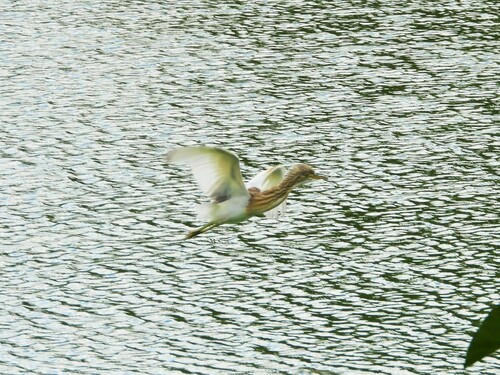 malagasy pond-heron
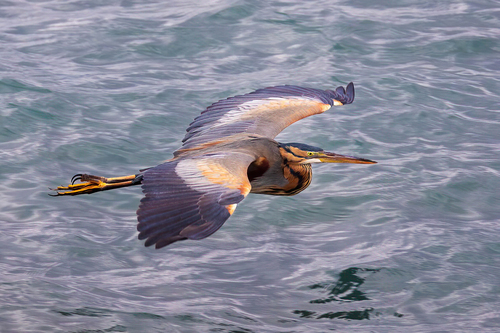 garça-roxa
Em resumo
A marca de campo mais confiável é o tamanho e a estrutura geral: a garça-roxa é muito maior e mais esbelta, com um pescoço e pernas longas, enquanto a malagasy pond-heron é compacta e de pescoço curto. Em voo, a malagasy pond-heron (de todas as idades) exibe asas principalmente brancas, especialmente óbvias em plumagens não reprodutivas e juvenis, enquanto a garça-roxa tem asas escuras, cinza-acastanhadas, sem branco. A malagasy pond-heron juvenil tem um bico laranja opaco e olhos verde-claro, ao contrário de qualquer garça-roxa. A malagasy pond-heron adulta em reprodução é strikingly white overall, enquanto a garça-roxa nunca é branca e sempre apresenta tons acastanhados e cinzas. Se você ver uma garça com uma aparência branca ou principalmente branca, especialmente em Madagascar ou no Oceano Índico ocidental, é a malagasy pond-heron; uma grande garça acastanhada e cinza com um pescoço longo é a garça-roxa.
Dicas de identificação
- Tamanho e estrutura: A garça-roxa é muito maior, mais alta e mais esbelta, com um pescoço e pernas longas. A malagasy pond-heron é compacta e de pescoço curto. Use isso como uma primeira verificação, especialmente quando vista lado a lado com outras garças ou garças-brancas.
- Padrão das asas em voo (todas as idades): A malagasy pond-heron exibe asas principalmente brancas (tanto acima quanto abaixo), enquanto as asas da garça-roxa são sempre escuras, cinza-acastanhadas. Esta é a marca de campo mais rápida se você ver o pássaro voando.
- Cor do bico e dos olhos juvenis: A malagasy pond-heron juvenil tem um bico laranja opaco e olhos verde-claro, únicos entre as garças na região. As garças-roxas juvenis têm um bico amarelo-acastanhado e íris amarelas.
- Plumagem de reprodução adulta: A malagasy pond-heron torna-se quase totalmente branca com um bico azul profundo durante a reprodução. A garça-roxa nunca é branca e sempre tem tons acastanhados, cinzas e avermelhados.
- Plumagem não reprodutiva/imatura: A malagasy pond-heron é marrom com buff e preto na coroa, mas ainda mostra penas de voo brancas. A garça-roxa é mais escura, com uma coroa preta e pescoço acastanhado, e nunca mostra branco nas asas.
- Cresta e padrão da cabeça: A garça-roxa tem uma coroa preta com uma faixa escura descendo pelo pescoço e uma cresta delgada e pendente. A malagasy pond-heron não possui essa forte coroa preta e cresta, especialmente fora da reprodução.
- Cor do bico em adultos: A malagasy pond-heron tem um bico verde com uma ponta preta (não reprodutiva) ou azul profundo (reprodutiva). O bico da garça-roxa é amarelo-acastanhado, mais brilhante na reprodução, mas nunca azul ou verde.
- Cor das pernas: A garça-roxa tem pernas marrons na frente e amareladas atrás. A cor das pernas da malagasy pond-heron não é distintiva nas fontes.
- Padrão do pescoço: A garça-roxa tem um pescoço longo, esbelto e semelhante a uma cobra, com listras e linhas escuras; o pescoço da malagasy pond-heron é mais curto e não possui listras fortes.
- Comportamento: A malagasy pond-heron é mais solitária e territorial, raramente vista em grupos, exceto em colônias de reprodução. A garça-roxa é secreta, mas pode ser vista em colônias ou com outras grandes garças.
- Habitat e distribuição: Se vista em Madagascar, Réunion ou Seychelles, especialmente em pequenos pântanos ou colônias mistas de garças, considere a malagasy pond-heron. Em grandes canaviais ou pântanos na África/Europa/Ásia, a garça-roxa é muito mais provável.
- Postura: A garça-roxa frequentemente adota uma postura de pescoço oblíquo e parece ter o peito oco. A malagasy pond-heron é mais compacta e ereta.
- Voz: Se ouvida, a garça-roxa emite um "frarnk" áspero e agudo; o chamado da malagasy pond-heron não é distintivo nas fontes.
- Associação: A malagasy pond-heron frequentemente faz ninhos com outras garças em pequenas colônias mistas; a garça-roxa também pode ser colonial, mas é mais provável que seja encontrada em colônias maiores de uma única espécie ou mistas em extensos canaviais.
- Armadilhas: Não confunda uma garça branca ou principalmente branca com a garça-roxa em qualquer idade ou estação. Qualquer garça com plumagem escura, acastanhada e cinza, especialmente com um pescoço longo, é a garça-roxa.
Tamanho
A garça-roxa é dramaticamente maior: 78–97 cm de comprimento, atingindo até 94 cm de altura, com uma envergadura de 120–152 cm e pesando 0,5–1,35 kg [wikipedia][avonet]. A malagasy pond-heron é muito menor e mais compacta, com 45–50 cm de comprimento e 250–350 g [wikipedia][avonet]. A diferença é óbvia em campo, especialmente quando ambas as espécies são vistas juntas ou comparadas a garças/garças-brancas comuns. O longo pescoço e as pernas da garça-roxa fazem com que ela pareça ainda maior e mais alongada, enquanto a malagasy pond-heron é de pescoço curto e robusta.
Plumagem
-
Juvenil/imatura (pré-adulto): As juvenis da malagasy pond-heron têm um bico laranja opaco e olhos verde-claro, com uma mistura de buff, marrom e preto na coroa e partes superiores. Suas asas em voo são principalmente brancas, uma marca chave em todas as idades. As juvenis da garça-roxa nunca são brancas; elas são acastanhadas com tons de chestnut e cinza, e suas asas são escuras acima e abaixo, combinando com o padrão adulto. Nenhum branco é mostrado nas asas em voo.
-
Adulto não reprodutivo: A malagasy pond-heron é marrom no geral com buff e preto na coroa/posterior, mas ainda mostra penas de voo brancas em voo. O bico é verde com uma ponta preta, íris amarela. A garça-roxa é mais escura, com uma coroa preta, pescoço acastanhado com listras escuras e partes superiores cinza-acastanhadas; as asas são sempre escuras, nunca brancas.
-
Adulto reprodutivo: A malagasy pond-heron torna-se quase totalmente branca como a neve com um bico azul profundo. A garça-roxa não muda muito na reprodução, permanecendo acastanhada, cinza e avermelhada, com uma coroa e cresta pretas. Nunca branca.
-
Chave em voo: Qualquer garça com asas brancas (especialmente acima) é a malagasy pond-heron; qualquer garça com asas escuras, cinza-acastanhadas é a garça-roxa.
Comportamento
A malagasy pond-heron é territorial e frequentemente solitária ou em grupos muito pequenos, especialmente fora da estação de reprodução. É discreta, mantém distância de outras aves e forrageia para o interior, longe dos locais de nidificação. A garça-roxa também é secreta, mas pode ser vista em colônias, especialmente em canaviais, e é mais provável que seja encontrada se escondendo em vegetação densa. Ambas as espécies se reproduzem colonialmente, mas as colônias da malagasy pond-heron agora são muito pequenas e frequentemente misturadas com outras garças. A garça-roxa é menos robusta e parece ter o peito oco, frequentemente adotando uma postura de pescoço oblíquo.
Habitat
A malagasy pond-heron se reproduz em Madagascar, Réunion e Seychelles, utilizando canaviais, papiros e ilhas costeiras, e inverna na parte oriental da África continental. É altamente localizada e ameaçada, frequentemente encontrada em colônias mistas de garças. A garça-roxa é amplamente distribuída pela África, Europa e Ásia, reproduzindo-se em grandes canaviais, canaviais ou arbustos baixos perto de extensos pântanos. Na África, ambas podem ocorrer, mas a malagasy pond-heron é muito mais rara e mais restrita a habitats específicos, enquanto a garça-roxa é mais amplamente distribuída e provavelmente encontrada em áreas de pântano maiores e mais abertas.
Voz
A garça-roxa emite um chamado áspero "frarnk", mais suave e agudo que o da garça-moura-europeia, mas geralmente não é muito barulhenta. Nenhuma vocalização distintiva é descrita para a malagasy pond-heron nas fontes, então a voz não é um separador confiável.