

Garcilla Malgache vs Garza Imperial
Ardeola idae frente a Ardea purpurea
Juega un quiz con Garcilla Malgache y Garza Imperial
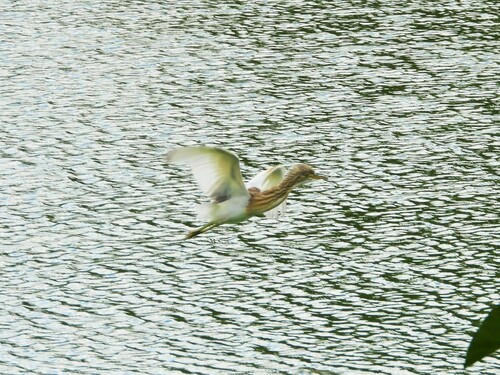 Garcilla Malgache
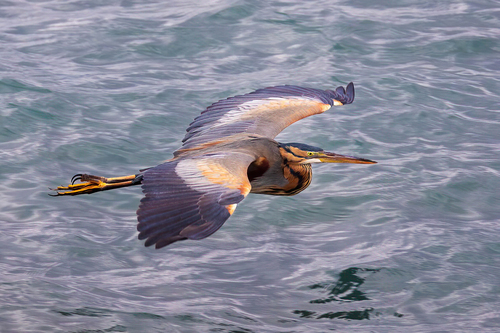 Garza Imperial
En breve
La marca de campo más confiable es el tamaño y la estructura general: la Garza Imperial es mucho más grande y esbelta, con un cuello y patas largos, mientras que la Garcilla Malgache es compacta y de cuello corto. En vuelo, la Garcilla Malgache (de todas las edades) muestra alas mayormente blancas, especialmente obvias en plumajes no reproductivos y juveniles, mientras que la Garza Imperial tiene alas oscuras, de color gris parduzco, sin blanco. La Garcilla Malgache juvenil tiene un pico de color naranja apagado y ojos de color verde pálido, a diferencia de cualquier Garza Imperial. La Garcilla Malgache adulta en reproducción es notablemente blanca en general, mientras que la Garza Imperial nunca es blanca y siempre muestra tonos marrón rojizo y gris. Si ves una garza con una apariencia blanca o mayormente blanca, especialmente en Madagascar o el océano Índico occidental, es la Garcilla Malgache; una gran garza castaña y gris con un cuello largo es la Garza Imperial.
Consejos de identificación
- Tamaño y estructura: La Garza Imperial es mucho más grande, alta y esbelta, con un cuello y patas largos. La Garcilla Malgache es compacta y de cuello corto. Usa esto como una primera verificación, especialmente cuando se ve lado a lado con otras garzas o garcetas.
- Patrón de alas en vuelo (todas las edades): La Garcilla Malgache muestra alas mayormente blancas (tanto arriba como abajo), mientras que las alas de la Garza Imperial son siempre de un marrón grisáceo oscuro. Esta es la marca de campo más rápida si ves al ave volando.
- Color del pico y ojos juveniles: La Garcilla Malgache juvenil tiene un pico de color naranja apagado y ojos de color verde pálido, único entre las garzas en la región. Las garzas juveniles tienen un pico de color marrón amarillento y un iris amarillo.
- Plumaje de reproducción adulto: La Garcilla Malgache se vuelve casi completamente blanca con un pico de color azul profundo durante la reproducción. La Garza Imperial nunca es blanca y siempre tiene tonos marrón rojizo, gris y castaño.
- Plumaje no reproductivo/inmaduro: La Garcilla Malgache es marrón con buff y negro en la corona, pero aún muestra plumas de vuelo blancas. La Garza Imperial es más oscura, con una corona negra y un cuello castaño, y nunca muestra blanco en las alas.
- Cresta y patrón de cabeza: La Garza Imperial tiene una corona negra con una franja oscura que baja por el cuello y una cresta delgada y colgante. La Garcilla Malgache carece de esta fuerte corona negra y cresta, especialmente fuera de la reproducción.
- Color del pico en adultos: La Garcilla Malgache tiene un pico verde con una punta negra (no reproductivo) o azul profundo (reproductivo). El pico de la Garza Imperial es marrón amarillento, más brillante en reproducción, pero nunca azul o verde.
- Color de las patas: La Garza Imperial tiene patas marrones en la parte delantera y amarillentas detrás. El color de las patas de la Garcilla Malgache no es distintivo en las fuentes.
- Patrón del cuello: La Garza Imperial tiene un cuello largo, delgado y parecido a una serpiente con rayas y líneas oscuras; el cuello de la Garcilla Malgache es más corto y carece de rayas fuertes.
- Comportamiento: La Garcilla Malgache es más solitaria y territorial, rara vez se ve en grupos excepto en colonias de reproducción. La Garza Imperial es secreta pero puede verse en colonias o con otras grandes garzas.
- Hábitat y distribución: Si se ve en Madagascar, Reunión o Seychelles, especialmente en pequeños humedales o colonias de garzas mixtas, considera la Garcilla Malgache. En grandes cañaverales o humedales en África/Europa/Asia, la Garza Imperial es mucho más probable.
- Postura: La Garza Imperial a menudo adopta una postura de cuello oblicuo y parece tener el pecho hueco. La Garcilla Malgache es más compacta y erguida.
- Voz: Si se escucha, la Garza Imperial emite un fuerte y agudo "frarnk"; el llamado de la Garcilla Malgache no es distintivo en las fuentes.
- Asociación: La Garcilla Malgache a menudo anida con otras garzas en pequeñas colonias mixtas; la Garza Imperial también puede ser colonial, pero es más probable que se encuentre en colonias más grandes de una sola especie o mixtas en extensos cañaverales.
- Trampas: No confundas una garza blanca o mayormente blanca con la Garza Imperial en ninguna edad o estación. Cualquier garza con plumaje oscuro, marrón rojizo y gris, especialmente con un cuello largo, es la Garza Imperial.
Tamaño
Garza Imperial is dramatically larger: 78–97 cm in length, standing up to 94 cm tall, with a wingspan of 120–152 cm and weighing 0.5–1.35 kg [wikipedia][avonet]. Garcilla Malgache is much smaller and more compact, at 45–50 cm in length and 250–350 g [wikipedia][avonet]. The difference is obvious in the field, especially when both species are seen together or compared to common egrets/herons. Garza Imperial’s long neck and legs make it appear even larger and more elongated, while Garcilla Malgache is short-necked and stocky.
Plumaje
-
Juvenile/immature (pre-adult): Garcilla Malgache juveniles have a dull orange bill and pale green eyes, with a mix of buff, brown, and black on the crown and upperparts. Their wings in flight are mostly white, a key mark at all ages. Garza Imperial juveniles are never white; they are brownish with chestnut and grey tones, and their wings are dark above and below, matching the adult pattern. No white is shown in the wings in flight.
-
Non-breeding adult: Garcilla Malgache is brown overall with buff and black on the crown/posterior, but still shows white flight feathers in flight. Bill is green with a black tip, iris yellow. Garza Imperial is darker, with a black crown, chestnut neck with dark stripes, and brownish-grey upperparts; wings are always dark, never white.
-
Breeding adult: Garcilla Malgache becomes almost entirely snow white with a deep azure blue bill. Garza Imperial does not change much in breeding, remaining reddish-brown, grey, and chestnut, with a black crown and crest. Never white.
-
Key in flight: Any heron with white wings (especially above) is Garcilla Malgache; any heron with dark, brownish-grey wings is Garza Imperial.
Comportamiento
La Garcilla Malgache es territorial y a menudo solitaria o en grupos muy pequeños, especialmente fuera de la temporada de reproducción. Es inconspicua, mantiene distancia de otras aves y forrajea en el interior, lejos de los sitios de anidación. La Garza Imperial también es secreta, pero se puede ver en colonias, especialmente en cañaverales, y es más probable que se encuentre escondida en vegetación densa. Ambas especies crían colonialmente, pero las colonias de la Garcilla Malgache son ahora muy pequeñas y a menudo mezcladas con otras garzas. La Garza Imperial es menos robusta y parece tener el pecho hueco, adoptando a menudo una postura de cuello oblicuo.
Hábitat
La Garcilla Malgache cría en Madagascar, Reunión y Seychelles, utilizando cañaverales, papiros e islas costeras, y pasa el invierno en el este de África continental. Está altamente localizada y en peligro, a menudo encontrada en colonias de garzas mixtas. La Garza Imperial está ampliamente distribuida en África, Europa y Asia, criando en grandes cañaverales, cañaverales o arbustos bajos cerca de extensos humedales. En África, ambas pueden ocurrir, pero la Garcilla Malgache es mucho más rara y más restringida a hábitats específicos, mientras que la Garza Imperial es más común y probablemente se encuentre en áreas de humedales más grandes y abiertas.
Voz
La Garza Imperial emite un fuerte llamado "frarnk", más suave y agudo que el de la Garza Real, pero generalmente no es muy ruidosa. No se describe ninguna vocalización distintiva para la Garcilla Malgache en las fuentes, por lo que la voz no es un separador confiable.