

Malagasy Pond-Heron vs Airone rosso
Ardeola idae contro Ardea purpurea
Fai un quiz con Malagasy Pond-Heron e Airone rosso
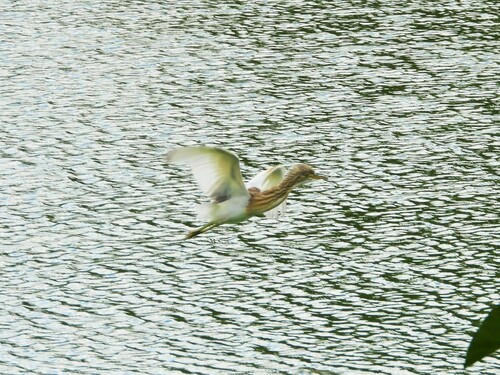 Malagasy Pond-Heron
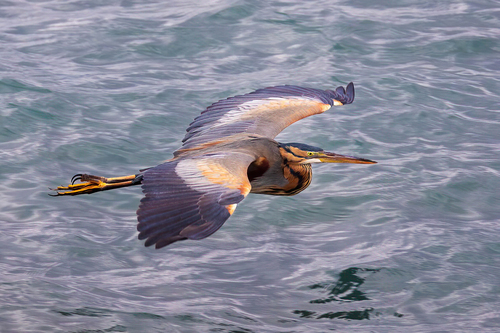 Airone rosso
In breve
Il segno distintivo più affidabile è la dimensione e la struttura complessiva: l'Airone rosso è molto più grande e slanciato, con un lungo collo e gambe, mentre il Malagasy Pond-Heron è compatto e con collo corto. In volo, il Malagasy Pond-Heron (di tutte le età) mostra principalmente ali bianche, particolarmente evidenti nelle piume non riproduttive e giovanili, mentre l'Airone rosso ha ali scure, grigio-brune senza bianco. Il giovane Malagasy Pond-Heron ha un becco arancione opaco e occhi verde chiaro, a differenza di qualsiasi Airone rosso. L'adulto in riproduzione del Malagasy Pond-Heron è straordinariamente bianco nel complesso, mentre l'Airone rosso non è mai bianco e mostra sempre toni rossicci e grigi. Se vedi un airone con un aspetto bianco o per lo più bianco, specialmente in Madagascar o nell'oceano indiano occidentale, è il Malagasy Pond-Heron; un grande airone castano e grigio con un collo lungo è l'Airone rosso.
Consigli di identificazione
- Dimensione e struttura: L'Airone rosso è molto più grande, più alto e più slanciato, con un lungo collo e gambe. Il Malagasy Pond-Heron è compatto e con collo corto. Usa questo come primo controllo, specialmente quando visti fianco a fianco con altri aironi o egrette.
- Schema delle ali in volo (tutte le età): Il Malagasy Pond-Heron mostra principalmente ali bianche (sia sopra che sotto), mentre le ali dell'Airone rosso sono sempre scure, grigio-brune. Questo è il segno distintivo più veloce se vedi l'uccello volare.
- Colore del becco e degli occhi nei giovani: Il giovane Malagasy Pond-Heron ha un becco arancione opaco e occhi verde chiaro, unico tra gli aironi nella regione. I giovani dell'Airone rosso hanno un becco giallo-bruno e iride gialla.
- Piumaggio degli adulti in riproduzione: Il Malagasy Pond-Heron diventa quasi completamente bianco con un becco blu profondo durante la riproduzione. L'Airone rosso non è mai bianco e ha sempre toni rossicci, grigi e castani.
- Piumaggio non riproduttivo/immaturo: Il Malagasy Pond-Heron è marrone con buff e nero sulla corona, ma mostra ancora piume bianche in volo. L'Airone rosso è più scuro, con una corona nera e collo castano, e non mostra mai bianco nelle ali.
- Cresta e schema della testa: L'Airone rosso ha una corona nera con una striscia scura lungo il collo e una cresta sottile e pendente. Il Malagasy Pond-Heron non ha questa forte corona nera e cresta, specialmente al di fuori della riproduzione.
- Colore del becco negli adulti: Il Malagasy Pond-Heron ha un becco verde con una punta nera (non in riproduzione) o blu azzurro profondo (in riproduzione). Il becco dell'Airone rosso è giallo-bruno, più luminoso in riproduzione, ma mai blu o verde.
- Colore delle gambe: L'Airone rosso ha gambe marroni davanti e giallastre dietro. Il colore delle gambe del Malagasy Pond-Heron non è distintivo nelle fonti.
- Schema del collo: L'Airone rosso ha un collo lungo, snodato, simile a un serpente con striature e linee scure; il collo del Malagasy Pond-Heron è più corto e privo di forti striature.
- Comportamento: Il Malagasy Pond-Heron è più solitario e territoriale, raramente visto in gruppi tranne che nelle colonie di riproduzione. L'Airone rosso è riservato ma può essere visto in colonie o con altri grandi aironi.
- Habitat e distribuzione: Se visto in Madagascar, Réunion o Seychelles, specialmente in piccole zone umide o colonie miste di aironi, considera il Malagasy Pond-Heron. In grandi canneti o zone umide in Africa/Europa/Asia, l'Airone rosso è molto più probabile.
- Postura: L'Airone rosso spesso adotta una postura del collo obliqua e appare con il petto vuoto. Il Malagasy Pond-Heron è più compatto e eretto.
- Voce: Se sentito, l'Airone rosso emette un forte, acuto "frarnk"; il richiamo del Malagasy Pond-Heron non è distintivo nelle fonti.
- Associazione: Il Malagasy Pond-Heron spesso nidifica con altri aironi in piccole colonie miste; l'Airone rosso può anche essere coloniale ma è più probabile trovarlo in colonie più grandi, di singola specie o miste in ampi canneti.
- Trappole: Non confondere un airone bianco o per lo più bianco con l'Airone rosso a qualsiasi età o stagione. Qualsiasi airone con piumaggio scuro, rossiccio e grigio, specialmente con un lungo collo, è l'Airone rosso.
Taglia
L'Airone rosso è drammaticamente più grande: 78–97 cm di lunghezza, fino a 94 cm di altezza, con un'apertura alare di 120–152 cm e un peso di 0,5–1,35 kg [wikipedia][avonet]. Il Malagasy Pond-Heron è molto più piccolo e compatto, con una lunghezza di 45–50 cm e 250–350 g [wikipedia][avonet]. La differenza è ovvia sul campo, specialmente quando entrambe le specie sono viste insieme o confrontate con egrette/aironi comuni. Il lungo collo e le gambe dell'Airone rosso lo fanno apparire ancora più grande e allungato, mentre il Malagasy Pond-Heron è con collo corto e robusto.
Piumaggio
-
Giovane/immaturo (pre-adulto): I giovani del Malagasy Pond-Heron hanno un becco arancione opaco e occhi verde chiaro, con una miscela di buff, marrone e nero sulla corona e nelle parti superiori. Le loro ali in volo sono per lo più bianche, un segno chiave a tutte le età. I giovani dell'Airone rosso non sono mai bianchi; sono marroni con toni castani e grigi, e le loro ali sono scure sopra e sotto, corrispondenti al modello degli adulti. Non viene mostrato bianco nelle ali in volo.
-
Adulto non in riproduzione: Il Malagasy Pond-Heron è marrone nel complesso con buff e nero sulla corona/posteriore, ma mostra ancora piume bianche in volo. Il becco è verde con una punta nera, iride gialla. L'Airone rosso è più scuro, con una corona nera, collo castano con strisce scure e parti superiori grigio-brune; le ali sono sempre scure, mai bianche.
-
Adulto in riproduzione: Il Malagasy Pond-Heron diventa quasi completamente bianco con un becco blu profondo. L'Airone rosso non cambia molto in riproduzione, rimanendo rossiccio, grigio e castano, con una corona e cresta nere. Mai bianco.
-
Chiave in volo: Qualsiasi airone con ali bianche (soprattutto sopra) è il Malagasy Pond-Heron; qualsiasi airone con ali scure, grigio-brune è l'Airone rosso.
Comportamento
Il Malagasy Pond-Heron è territoriale e spesso solitario o in gruppi molto piccoli, specialmente al di fuori della stagione di riproduzione. È poco appariscente, mantiene distanza da altri uccelli e cerca cibo nell'entroterra lontano dai siti di nidificazione. L'Airone rosso è anche riservato ma può essere visto in colonie, specialmente nei canneti, ed è più probabile trovarlo a nascondersi in vegetazione densa. Entrambe le specie nidificano colonialmente ma le colonie del Malagasy Pond-Heron sono ora molto piccole e spesso miste con altri aironi. L'Airone rosso è meno robusto e appare con il petto vuoto, spesso adottando una postura del collo obliqua.
Habitat
Il Malagasy Pond-Heron nidifica in Madagascar, Réunion e Seychelles, utilizzando canneti, papiro e isole costiere, e sverna nell'Africa orientale continentale. È altamente localizzato e in pericolo, spesso trovato in colonie miste di aironi. L'Airone rosso è diffuso in tutta l'Africa, Europa e Asia, nidificando in grandi canneti, canneti o cespugli bassi vicino a vaste zone umide. In Africa, entrambe le specie possono verificarsi, ma il Malagasy Pond-Heron è molto più raro e più ristretto a habitat specifici, mentre l'Airone rosso è più diffuso e probabile da trovare in aree umide più grandi e aperte.
Voce
L'Airone rosso emette un forte richiamo "frarnk", più silenzioso e acuto rispetto all'Airone cenerino, ma generalmente non è molto rumoroso. Nessuna vocalizzazione distintiva è descritta per il Malagasy Pond-Heron nelle fonti, quindi la voce non è un separatore affidabile.
Malagasy Pond-Heron · Airone rosso · I miei uccelli difficili