

long-tailed koel vs rabo-de-palha-de-bico-laranja
Urodynamis taitensis versus Phaethon lepturus
Jogue um quiz com long-tailed koel e rabo-de-palha-de-bico-laranja
 long-tailed koel
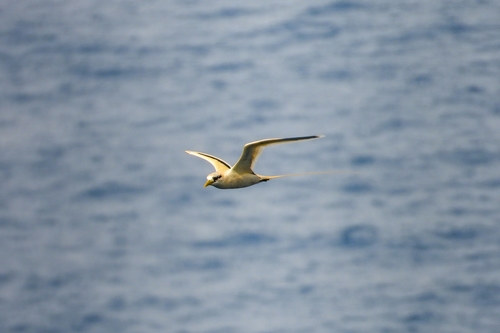 rabo-de-palha-de-bico-laranja
Em resumo
A marca de campo mais confiável é a cor geral e o padrão das asas em voo: os jovens long-tailed koels apresentam partes superiores marrons com manchas brancas e uma cauda com ponta branca, enquanto todas as idades de rabo-de-palha-de-bico-laranja são strikingly brancas com uma máscara ocular preta e uma barra interna de asa preta ousada. O tropicbird é muito maior em envergadura e possui longas e filamentosas fitas brancas na cauda (adultos), enquanto a cauda do koel é longa, mas suavemente arredondada e nunca semelhante a uma fita. A cor do bico também é um forte separador: o koel tem um bico curto, escuro e ligeiramente curvado, enquanto o bico do tropicbird é longo, esbelto e amarelo a laranja. O habitat e o contexto geralmente são decisivos: os koels são aves florestais da Nova Zelândia e do Pacífico, enquanto os tropicbirds são marinhos, raramente vistos no interior.
Dicas de identificação
- Padrão da asa juvenil: O juvenil long-tailed koel apresenta partes superiores marrons com manchas brancas na asa e uma cauda com ponta branca; o juvenil rabo-de-palha-de-bico-laranja é principalmente branco com um dorso finamente listrado, máscara ocular preta e barra interna de asa preta, sem marrons ou manchas. Use isso para qualquer ave imatura acastanhada em voo.
- Forma da cauda adulta: O adulto rabo-de-palha-de-bico-laranja possui fitas brancas longas e filamentosas na cauda que dobram seu comprimento; o long-tailed koel tem uma cauda longa, mas suavemente arredondada, nunca semelhante a uma fita. As fitas são visíveis mesmo à distância.
- Cor geral: O koel é marrom acima com partes inferiores brancas listradas; o tropicbird é branco limpo acima e abaixo (exceto pela máscara preta e barra de asa). Qualquer ave marrom ou listrada não é um tropicbird.
- Forma e cor do bico: O koel tem um bico curto, escuro e ligeiramente curvado; o bico do tropicbird é longo, esbelto e amarelo a vermelho-alaranjado (adultos) ou verde-amarelo (juvenis). A cor do bico é diagnóstica a curta distância.
- Padrão facial: O tropicbird apresenta uma ousada máscara ocular preta; o koel tem um supercílio bordejado por uma faixa ocular escura, mas nunca uma máscara.
- Padrão das asas em voo: O tropicbird apresenta uma ousada barra preta na asa interna (todas as idades); o koel apresenta manchas brancas nas asas marrons (juvenis) ou asas marrons lisas (adultos), nunca uma barra preta.
- Partes inferiores: O koel tem listras pretas e marrons grossas nas partes inferiores brancas; o tropicbird é puro branco abaixo.
- Tamanho e jizz: O tropicbird é muito maior, com uma envergadura mais ampla e um voo mais gracioso e flutuante; o koel é menor, mais compacto e voa diretamente.
- Habitat: O koel é encontrado em florestas, plantações e jardins, nunca no mar; o tropicbird é marinho, raramente visto no interior ou longe de ilhas oceânicas.
- Comportamento: O koel é solitário e secreto, frequentemente alto na copa das árvores; o tropicbird é aéreo, frequentemente visto planando ou mergulhando sobre a água.
- Vocalização: O chamado do koel é um apito ou grito alto e estridente, frequentemente repetido; o chamado do tropicbird é uma série gritada de alta frequência, geralmente perto de locais de reprodução.
- Contexto: Se a ave for vista no interior, em árvores ou na floresta da Nova Zelândia, é quase certamente um koel. Se vista sobre o oceano aberto ou em uma ilha remota, especialmente com fitas na cauda, é um tropicbird.
- Sexo e idade: Ambas as espécies são sexualmente semelhantes, mas os machos do tropicbird têm em média fitas na cauda mais longas. Os juvenis do tropicbird não têm fitas e possuem um bico verde-amarelo, mas ainda são principalmente brancos com uma máscara preta e barra de asa.
- Erros comuns: Tropicbirds imaturos sem fitas podem ser confundidos com outras aves marinhas brancas, mas nunca apresentam plumagem marrom ou listrada. Os juvenis do koel às vezes são confundidos com outros cucos, mas suas manchas marrons e brancas e a cauda com ponta branca são distintas.
- Quando as marcas falham: Em luz fraca ou a grandes distâncias, use habitat e forma geral: aves oceânicas brancas com cauda em fita são tropicbirds; aves marrons e listradas de floresta são koels.
Tamanho
O rabo-de-palha-de-bico-laranja é substancialmente maior no geral: os adultos atingem 71–80 cm de comprimento (incluindo fitas de cauda extremamente longas), com uma envergadura de 89–96 cm. O long-tailed koel mede 40–42 cm de comprimento (incluindo sua longa cauda) e tem uma envergadura de 47–52 cm. O tropicbird é tanto mais longo quanto mais largo nas asas, e suas fitas de cauda sozinhas podem dobrar seu comprimento aparente. O koel é mais leve e mais compacto, com uma construção mais robusta e asas mais curtas em relação ao comprimento do corpo.
Plumagem
- Aves juvenis/imaturas: O juvenil long-tailed koel é marrom acima com manchas brancas nas asas, uma cauda com ponta branca e partes inferiores cor de palha com listras escuras; a cabeça e o pescoço são cor de palha com listras marrons, e uma ousada faixa ocular escura está presente. O juvenil rabo-de-palha-de-bico-laranja não possui as longas fitas na cauda, tem um bico verde-amarelo e um dorso finamente listrado (não manchado), mas ainda é principalmente branco no geral com uma máscara ocular preta e barra interna de asa preta. As partes superiores marrons e manchadas de branco do koel são únicas entre esses dois.
- Adultos: O adulto long-tailed koel é marrom escuro acima com manchas brancas nas asas e uma cauda com ponta branca, suavemente arredondada; as partes inferiores são brancas com listras pretas e marrons grossas. O adulto rabo-de-palha-de-bico-laranja é puro branco com uma máscara ocular preta, uma ousada barra preta na asa interna e fitas brancas longas e filamentosas na cauda. O koel nunca apresenta a plumagem branca limpa do tropicbird, máscara preta ou fitas na cauda.
- Bico: O bico do koel é curto, escuro e ligeiramente curvado; o bico do tropicbird é longo, esbelto e amarelo a vermelho-alaranjado.
Comportamento
O long-tailed koel é uma ave florestal solitária e secreta, geralmente permanecendo alta na copa das árvores ou em coberturas densas, movendo-se com um voo forte e direto, mas raramente visto em espaços abertos. É um parasita de ninho, nunca visto perto da água. O rabo-de-palha-de-bico-laranja é uma espécie altamente aérea e oceânica, frequentemente vista planando ou deslizando sobre águas abertas, fazendo mergulhos dramáticos para pegar peixes; ele se reproduz em ilhas remotas, frequentemente visto em pares ou pequenos grupos, e nunca é encontrado em florestas densas. Em voo, o tropicbird é flutuante e gracioso, com asas longas e fitas arrastando, enquanto o koel é mais direto e não possui fitas.
Habitat
O long-tailed koel é estritamente terrestre, reproduzindo-se nas florestas nativas da Nova Zelândia, plantações de pinheiros e ocasionalmente em jardins, mas sempre associado a árvores e nunca a ambientes marinhos. O rabo-de-palha-de-bico-laranja é exclusivamente marinho, reproduzindo-se em ilhas tropicais e forrageando sobre o oceano aberto; nunca é encontrado no interior ou em habitats florestais. Se visto em floresta densa ou longe da costa, é quase certamente um koel.
Voz
O long-tailed koel tem um apito ou grito alto, estridente e intenso, frequentemente descrito como um 'gritador' ou 'berrador', e é muito vocal durante a temporada de reprodução. O rabo-de-palha-de-bico-laranja emite um 'keee-keee-krrrt-krrt-krrt' gritado de alta frequência, mas é geralmente menos vocal e seus chamados são ouvidos principalmente perto de colônias de reprodução. O chamado do koel é mais persistente e territorial, enquanto o do tropicbird é mais esporádico e associado a voos de exibição.
long-tailed koel · rabo-de-palha-de-bico-laranja · Minhas aves difíceis