

Long-tailed Koel vs White-tailed Tropicbird
Urodynamis taitensis contro Phaethon lepturus
Fai un quiz con Long-tailed Koel e White-tailed Tropicbird
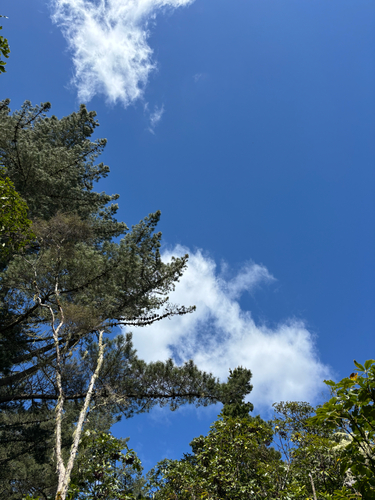 Long-tailed Koel
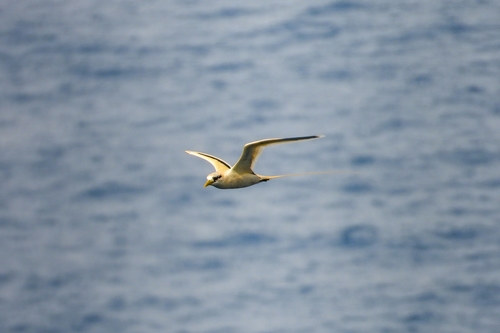 White-tailed Tropicbird
In breve
Il segno distintivo più affidabile è il colore generale e il motivo delle ali in volo: i giovani Long-tailed Koels mostrano parti superiori marroni con macchie bianche e una coda con punta bianca, mentre tutte le età del White-tailed Tropicbird sono sorprendentemente bianche con una maschera nera sugli occhi e una bold black inner wing bar. Il tropicbird è molto più grande in apertura alare e ha estremamente lunghe streamers bianche filamentose (adulti), mentre la coda del koel è lunga ma dolcemente arrotondata e mai simile a una streamer. Anche il colore del becco è un forte separatore: il koel ha un becco corto, scuro e leggermente ricurvo, mentre il becco del tropicbird è lungo, snodato e giallo-arancio. L'habitat e il contesto sono solitamente decisivi: i koels sono uccelli forestali della Nuova Zelanda e del Pacifico, mentre i tropicbirds sono marini, raramente visti nell'entroterra.
Consigli di identificazione
- Juvenile upperwing pattern: Il giovane Long-tailed Koel mostra parti superiori marroni con macchie bianche sulle ali e una coda con punta bianca; il giovane White-tailed Tropicbird è per lo più bianco con una schiena finemente barrata, maschera nera sugli occhi e bold black inner wing bar, privo di marrone o macchie. Usa questo per qualsiasi uccello immaturo marrone in volo.
- Adult tail shape: L'adulto White-tailed Tropicbird ha streamers bianche filamentose estremamente lunghe che raddoppiano la sua lunghezza; il Long-tailed Koel ha una coda lunga ma dolcemente arrotondata, mai simile a una streamer. Le streamers sono visibili anche a distanza.
- Overall color: Il koel è marrone sopra con parti inferiori striate di bianco; il tropicbird è bianco pulito sopra e sotto (eccetto per la maschera nera e la barra dell'ala). Qualsiasi uccello marrone o striato non è un tropicbird.
- Bill shape and color: Il koel ha un becco corto, scuro e leggermente ricurvo; il becco del tropicbird è lungo, snodato e giallo-arancio (adulti) o verde-giallo (giovani). Il colore del becco è diagnostico a distanza ravvicinata.
- Facial pattern: Il tropicbird mostra una bold black eye-mask; il koel ha un supercilium bordato da una striscia scura sugli occhi, ma mai una maschera.
- Wing pattern in flight: Il tropicbird mostra una bold black bar sull'ala interna (tutte le età); il koel mostra macchie bianche su ali marroni (giovani) o ali marroni semplici (adulti), mai una barra nera.
- Underparts: Il koel ha striature nere-marroni grossolane su parti inferiori bianche; il tropicbird è completamente bianco sotto.
- Size and jizz: Il tropicbird è molto più grande, con un'apertura alare più ampia e un volo più elegante e galleggiante; il koel è più piccolo, più compatto e vola direttamente.
- Habitat: Il koel si trova in foreste, piantagioni e giardini, mai in mare; il tropicbird è marino, raramente visto nell'entroterra o lontano dalle isole oceaniche.
- Behavior: Il koel è solitario e segreto, spesso in alto nella chioma; il tropicbird è aereo, spesso visto planare o tuffarsi sopra l'acqua.
- Vocalization: Il richiamo del koel è un fischio o un urlo forte e acuto, spesso ripetuto; il richiamo del tropicbird è una serie urlata ad alta frequenza, di solito vicino ai siti di nidificazione.
- Context: Se l'uccello è visto nell'entroterra, sugli alberi o nella foresta della Nuova Zelanda, è quasi certamente un koel. Se visto sopra l'oceano aperto o su un'isola remota, specialmente con streamers, è un tropicbird.
- Sex and age: Entrambe le specie sono sessualmente simili, ma i maschi del tropicbird hanno in media streamers di coda più lunghe. I giovani tropicbirds mancano di streamers e hanno un becco verde-giallo, ma sono ancora per lo più bianchi con una maschera nera e una barra dell'ala.
- Common pitfalls: I tropicbirds immaturi privi di streamers possono essere scambiati per altri uccelli marini bianchi, ma non mostrano mai piumaggio marrone o striato. I giovani koels sono talvolta scambiati per altri cuculi, ma le loro macchie marroni e bianche e la coda con punta bianca sono distintive.
- When marks fail: In scarsa illuminazione o a grande distanza, usa l'habitat e la forma generale: gli uccelli marini bianchi con coda a streamer sono tropicbirds; gli uccelli marroni e striati della foresta sono koels.
Taglia
Il White-tailed Tropicbird è sostanzialmente più grande nel complesso: gli adulti raggiungono 71–80 cm di lunghezza (inclusi gli estremamente lunghi tail streamers), con un'apertura alare di 89–96 cm. Il Long-tailed Koel è lungo 40–42 cm (inclusa la sua lunga coda) e ha un'apertura alare di 47–52 cm. Il tropicbird è sia più lungo che più largo nelle ali, e le sue streamers di coda da sole possono raddoppiare la sua lunghezza apparente. Il koel è più leggero e più compatto, con una costruzione più robusta e ali più corte rispetto alla lunghezza del corpo.
Piumaggio
- Juvenile/immature birds: Il giovane Long-tailed Koel è marrone sopra con macchie bianche sulle ali, una coda con punta bianca e parti inferiori color crema con striature scure; la testa e il collo sono color crema con striature marroni, e una bold dark eye-stripe è presente. Il giovane White-tailed Tropicbird manca delle lunghe streamers di coda, ha un becco verde-giallo e una schiena finemente barrata (non macchiata), ma è ancora per lo più bianco nel complesso con una maschera nera sugli occhi e una barra nera interna dell'ala. Le parti superiori marroni e macchiate di bianco del koel sono uniche tra questi due.
- Adults: L'adulto Long-tailed Koel è marrone scuro sopra con macchie bianche sulle ali e una coda con punta bianca, dolcemente arrotondata; le parti inferiori sono bianche con striature nere-marroni grossolane. L'adulto White-tailed Tropicbird è completamente bianco con una maschera nera sugli occhi, una bold black bar sull'ala interna e streamers bianche filamentose estremamente lunghe. Il koel non mostra mai il piumaggio bianco pulito del tropicbird, la maschera nera o le streamers di coda.
- Bill: Il becco del koel è corto, scuro e leggermente ricurvo; il becco del tropicbird è lungo, snodato e giallo-arancio.
Comportamento
Il Long-tailed Koel è un uccello forestale solitario e segreto, di solito rimane in alto nella chioma o in copertura densa, muovendosi con un volo forte e diretto ma raramente visto in spazi aperti. È un parassita di nidi, mai visto vicino all'acqua. Il White-tailed Tropicbird è una specie altamente aerea e oceanica, spesso visto planare o scivolare sopra l'acqua aperta, facendo tuffi drammatici per i pesci; nidifica su isole remote, spesso visto in coppie o piccoli gruppi, e non si trova mai in foreste dense. In volo, il tropicbird è galleggiante e grazioso, con lunghe ali e streamers che seguono, mentre il koel è più diretto e privo di streamers.
Habitat
Il Long-tailed Koel è strettamente terrestre, nidificando nelle foreste native della Nuova Zelanda, nelle piantagioni di pino e occasionalmente nei giardini, ma sempre associato ad alberi e mai a ambienti marini. Il White-tailed Tropicbird è esclusivamente marino, nidificando su isole tropicali e foraggiando sopra l'oceano aperto; non si trova mai nell'entroterra o in habitat forestali. Se visto in foresta densa o lontano dalla costa, è quasi certamente un koel.
Voce
Il Long-tailed Koel ha un fischio o un urlo forte, acuto e intenso, spesso descritto come un 'screamer' o 'screecher', ed è molto vocale durante la stagione di nidificazione. Il White-tailed Tropicbird emette un 'keee-keee-krrrt-krrt-krrt' urlato ad alta frequenza, ma è generalmente meno vocale e i suoi richiami si sentono principalmente vicino alle colonie di nidificazione. Il richiamo del koel è più persistente e territoriale, mentre quello del tropicbird è più sporadico e associato a voli di esibizione.
Long-tailed Koel · White-tailed Tropicbird · I miei uccelli difficili