

Koel Colilargo vs Rabijunco Menor
Urodynamis taitensis frente a Phaethon lepturus
Juega un quiz con Koel Colilargo y Rabijunco Menor
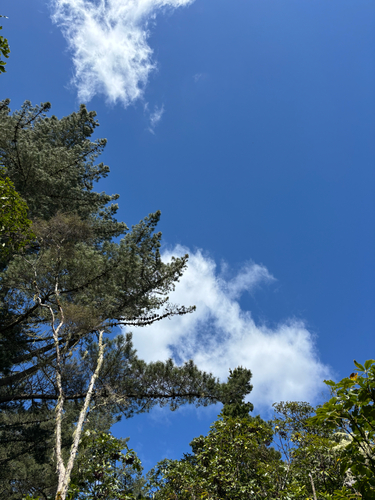 Koel Colilargo
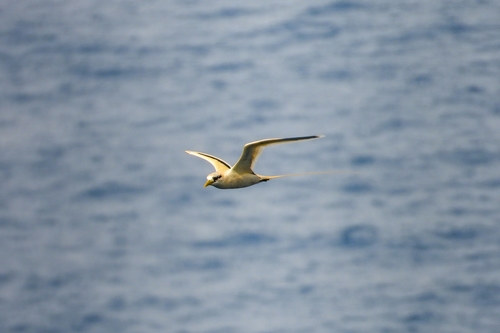 Rabijunco Menor
En breve
La marca de campo más confiable es el color general y el patrón de las alas en vuelo: los koel colilargo juveniles muestran partes superiores marrones con manchas blancas y una cola con punta blanca, mientras que todas las edades de rabijunco menor son strikingly blancas con una máscara ocular negra y una barra negra interna en las alas. El rabijunco es mucho más grande en envergadura y tiene colas extremadamente largas y filamentosas (adultos), mientras que la cola del koel es larga pero suavemente redondeada y nunca tiene forma de streamer. El color del pico también es un separador fuerte: el koel tiene un pico corto, oscuro y ligeramente curvado, mientras que el pico del rabijunco es largo, delgado y de color amarillo a naranja. El hábitat y el contexto suelen ser decisivos: los koels son aves de bosque de Nueva Zelanda y el Pacífico, mientras que los rabijuncos son marinos, raramente vistos en el interior.
Consejos de identificación
- Patrón de la parte superior juvenil: El koel colilargo juvenil muestra partes superiores marrones con manchas blancas en el ala y una cola con punta blanca; el rabijunco menor juvenil es mayormente blanco con un dorso finamente barrado, máscara ocular negra y barra negra interna en las alas, careciendo de marrón o manchas. Usa esto para cualquier ave inmadura marrón en vuelo.
- Forma de la cola adulta: El rabijunco menor adulto tiene colas extremadamente largas y filamentosas que duplican su longitud; el koel colilargo tiene una cola larga pero suavemente redondeada, nunca en forma de streamer. Los streamers son visibles incluso a distancia.
- Color general: El koel es marrón por encima con partes inferiores blancas estriadas; el rabijunco es blanco limpio por encima y por debajo (excepto por la máscara negra y la barra en las alas). Cualquier ave marrón o estriada no es un rabijunco.
- Forma y color del pico: El koel tiene un pico corto, oscuro y ligeramente curvado; el pico del rabijunco es largo, delgado y de color amarillo a naranja-rojo (adultos) o verde-amarillo (juveniles). El color del pico es diagnóstico a corta distancia.
- Patrón facial: El rabijunco muestra una bold máscara ocular negra; el koel tiene un supercilio bordeado por una franja ocular oscura, pero nunca una máscara.
- Patrón de las alas en vuelo: El rabijunco muestra una bold barra negra en el ala interna (todas las edades); el koel muestra manchas blancas en alas marrones (juveniles) o alas marrones simples (adultos), nunca una barra negra.
- Partes inferiores: El koel tiene estrías negras-marrones gruesas en partes inferiores blancas; el rabijunco es completamente blanco por debajo.
- Tamaño y jizz: El rabijunco es mucho más grande, con una envergadura más amplia y un vuelo más elegante y buoyante; el koel es más pequeño, más compacto y vuela directamente.
- Hábitat: El koel se encuentra en bosques, plantaciones y jardines, nunca en el mar; el rabijunco es marino, raramente visto en el interior o lejos de islas oceánicas.
- Comportamiento: El koel es solitario y secreto, a menudo alto en el dosel; el rabijunco es aéreo, a menudo visto planeando o zambulléndose sobre el agua.
- Vocalización: El llamado del koel es un silbido o grito fuerte y agudo, a menudo repetido; el llamado del rabijunco es una serie gritada de tono agudo, generalmente cerca de sitios de cría.
- Contexto: Si el ave se ve en el interior, en árboles, o en el bosque de Nueva Zelanda, es casi seguro un koel. Si se ve sobre el océano abierto o en una isla remota, especialmente con colas en streamer, es un rabijunco.
- Sexo y edad: Ambas especies son sexualmente similares, pero los machos de rabijunco suelen tener colas más largas. Los rabijuncos juveniles carecen de streamers y tienen un pico verde-amarillo, pero siguen siendo mayormente blancos con una máscara negra y barra en las alas.
- Errores comunes: Los rabijuncos inmaduros que carecen de streamers pueden confundirse con otras aves marinas blancas, pero nunca muestran plumaje marrón o estriado. Los koels juveniles a veces se confunden con otros cucos, pero su manchado marrón y blanco y cola con punta blanca son distintivos.
- Cuando las marcas fallan: En poca luz o a gran distancia, usa el hábitat y la forma general: las aves oceánicas blancas con colas en streamer son rabijuncos; las aves marrones y estriadas de bosque son koels.
Tamaño
El rabijunco menor es sustancialmente más grande en general: los adultos alcanzan 71–80 cm de longitud (incluyendo colas extremadamente largas), con una envergadura de 89–96 cm. El koel colilargo mide 40–42 cm de largo (incluyendo su larga cola) y tiene una envergadura de 47–52 cm. El rabijunco es tanto más largo como más amplio en alas, y sus streamers de cola pueden duplicar su longitud aparente. El koel es más ligero y compacto, con una construcción más robusta y alas más cortas en relación con la longitud del cuerpo.
Plumaje
- Aves juveniles/inmaduras: El koel colilargo juvenil es marrón por encima con manchas blancas en las alas, una cola con punta blanca y partes inferiores color crema con estrías oscuras; la cabeza y el cuello son color crema con estrías marrones, y hay una bold franja ocular oscura presente. El rabijunco menor juvenil carece de las largas colas en streamer, tiene un pico verde-amarillo y un dorso finamente barrado (no manchado), pero sigue siendo mayormente blanco en general con una máscara ocular negra y barra negra interna en las alas. Las partes superiores marrones y manchadas de blanco del koel son únicas entre estos dos.
- Adultos: El koel colilargo adulto es marrón oscuro por encima con manchas blancas en las alas y una cola con punta blanca, suavemente redondeada; las partes inferiores son blancas con estrías negras-marrones gruesas. El rabijunco menor adulto es completamente blanco con una máscara ocular negra, una bold barra negra en el ala interna y colas extremadamente largas y filamentosas. El koel nunca muestra el plumaje blanco limpio del rabijunco, la máscara negra o las colas en streamer.
- Pico: El pico del koel es corto, oscuro y ligeramente curvado; el pico del rabijunco es largo, delgado y de color amarillo a naranja-rojo.
Comportamiento
El koel colilargo es un ave de bosque solitaria y secreta, que generalmente se mantiene alta en el dosel o en cubierta densa, moviéndose con un vuelo fuerte y directo pero rara vez visto en espacios abiertos. Es un parásito de cría, nunca visto cerca del agua. El rabijunco menor es una especie altamente aérea y oceánica, a menudo visto planeando o deslizándose sobre agua abierta, haciendo zambullidas dramáticas por peces; cría en islas remotas, a menudo visto en parejas o pequeños grupos, y nunca se encuentra en bosques densos. En vuelo, el rabijunco es buoyante y elegante, con alas largas y streamers que cuelgan, mientras que el koel es más directo y carece de streamers.
Hábitat
El koel colilargo es estrictamente terrestre, criando en los bosques nativos de Nueva Zelanda, plantaciones de pinos y ocasionalmente jardines, pero siempre asociado con árboles y nunca en ambientes marinos. El rabijunco menor es exclusivamente marino, criando en islas tropicales y forrajeando sobre el océano abierto; nunca se encuentra en el interior o en hábitats forestales. Si se ve en un bosque denso o lejos de la costa, es casi seguro un koel.
Voz
El koel colilargo tiene un silbido o grito fuerte, agudo e intenso, a menudo descrito como un 'gritador' o 'gritón', y es muy vocal durante la temporada de cría. El rabijunco menor emite un 'keee-keee-krrrt-krrt-krrt' gritado de tono agudo, pero generalmente es menos vocal y sus llamados se escuchan principalmente cerca de colonias de cría. El llamado del koel es más persistente y territorial, mientras que el del rabijunco es más esporádico y asociado con vuelos de exhibición.