

Motmot

キジカッコウ 対 シラオネッタイチョウ

Urodynamis taitensis 対 Phaethon lepturus

キジカッコウとシラオネッタイチョウのクイズ
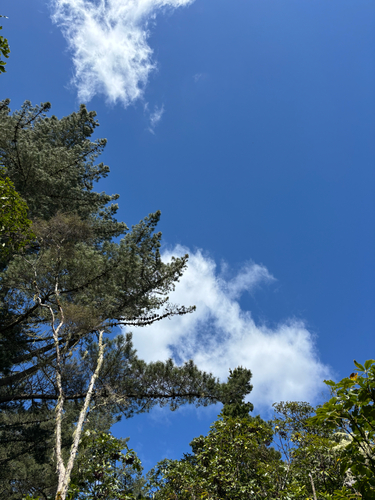
キジカッコウ (Urodynamis taitensis) キジカッコウ
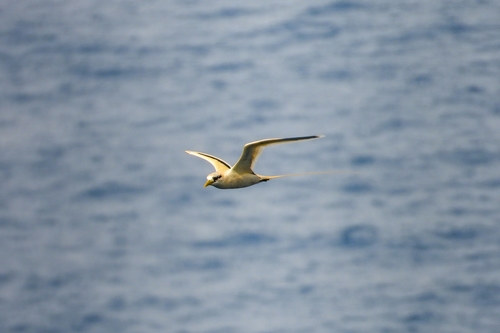
シラオネッタイチョウ (Phaethon lepturus) シラオネッタイチョウ

メディア

読み込み中…

要点

最も信頼できるフィールドマークは、飛行中の全体的な色と翼のパターンです:幼鳥のキジカッコウは白い斑点のある茶色の上面と白い先端の尾を示し、すべての年齢のシラオネッタイチョウは黒いアイマスクと大胆な黒い内翼バーを持つ際立った白色です。トロピックバードは翼幅がはるかに大きく、非常に長い糸状の白い尾羽(成鳥)を持ち、キジカッコウの尾は長いですが柔らかく丸みを帯びており、決して糸状ではありません。くちばしの色も強力な区別要因です:キジカッコウは短くて暗い、わずかにフック状のくちばしを持ち、トロピックバードのくちばしは長く、細く、黄色からオレンジ色です。生息地と文脈は通常決定的です:キジカッコウはニュージーランドと太平洋の森林の鳥であり、トロピックバードは海洋性で、内陸ではめったに見られません。

識別のコツ

  1. 幼鳥の上翼パターン: 幼鳥のキジカッコウは翼に白い斑点のある茶色の上面と白い先端の尾を示します;幼鳥のシラオネッタイチョウはほとんど白で、細かく縞模様の背中、黒いアイマスク、黒い内翼バーを持ち、茶色や斑点はありません。飛行中の茶色っぽい未熟な鳥にこれを使用してください。
  2. 成鳥の尾の形: 成鳥のシラオネッタイチョウは非常に長い糸状の白い尾羽を持ち、その長さを倍にします;キジカッコウは長いですが柔らかく丸みを帯びた尾を持ち、決して糸状ではありません。ストリーマーは遠くからでも見えます。
  3. 全体的な色: キジカッコウは上面が茶色で、下面は白い縞模様があります;トロピックバードは上面と下面がきれいな白(黒いマスクと翼バーを除く)です。茶色や縞模様のある鳥はトロピックバードではありません。
  4. くちばしの形と色: キジカッコウは短くて暗い、わずかにフック状のくちばしを持ちます;トロピックバードのくちばしは長く、細く、黄色からオレンジ色(成鳥)または緑黄色(幼鳥)です。くちばしの色は近距離で診断的です。
  5. 顔のパターン: トロピックバードは大胆な黒いアイマスクを示します;キジカッコウは暗いアイストライプで縁取られたスーパシリウムを持ちますが、決してマスクはありません。
  6. 飛行中の翼のパターン: トロピックバードは内翼に大胆な黒いバーを示します(すべての年齢);キジカッコウは茶色の翼に白い斑点を示します(幼鳥)または単色の茶色の翼(成鳥)を持ち、決して黒いバーはありません。
  7. 下面: キジカッコウは白い下面に粗い黒茶色の縞模様があります;トロピックバードは下面が純白です。
  8. サイズと印象: トロピックバードははるかに大きく、翼幅が広く、より優雅で浮遊感のある飛行をします;キジカッコウは小さく、よりコンパクトで、直接飛びます。
  9. 生息地: キジカッコウは森林、プランテーション、庭に生息し、海には決していません;トロピックバードは海洋性で、内陸や海洋島から離れた場所ではめったに見られません。
  10. 行動: キジカッコウは孤独で秘密主義で、しばしば樹冠の高いところにいます;トロピックバードは空中性で、水上を滑空したり急降下したりするのがよく見られます。
  11. 鳴き声: キジカッコウの鳴き声は大きく、鋭い口笛や叫びで、しばしば繰り返されます;トロピックバードの鳴き声は高音で叫ばれる連続音で、通常は繁殖地の近くで聞かれます。
  12. 文脈: 鳥が内陸、木の中、またはニュージーランドの森林で見られた場合、ほぼ確実にキジカッコウです。開けた海上や遠隔の島で見られた場合、特に尾羽がある場合はトロピックバードです。
  13. 性別と年齢: 両種は性的に似ていますが、トロピックバードのオスは平均して尾羽が長いです。幼鳥のトロピックバードは尾羽がなく、緑黄色のくちばしを持ちますが、依然としてほとんど白で黒いマスクと翼バーがあります。
  14. 一般的な落とし穴: ストリーマーのない未熟なトロピックバードは他の白い海鳥と間違われることがありますが、決して茶色や縞模様の羽毛を示しません。幼鳥のキジカッコウは他のカッコウと間違われることがありますが、彼らの茶色と白の斑点と白い先端の尾は独特です。
  15. マークが失敗したとき: 照明が悪い場合や遠くからの場合は、生息地と全体的な形を使用します:ストリーマーのある白い海洋性の鳥はトロピックバードです;茶色で縞模様の森林の鳥はキジカッコウです。

大きさ

シラオネッタイチョウは全体的にかなり大きいです:成鳥は71〜80 cmの長さ(非常に長い尾羽を含む)に達し、翼幅は89〜96 cmです。キジカッコウは40〜42 cmの長さ(長い尾を含む)で、翼幅は47〜52 cmです。トロピックバードは長さも翼幅も広く、尾羽だけでその見かけの長さを倍にすることができます。キジカッコウは軽くてコンパクトで、体長に対して頑丈な体型と短い翼を持っています。

羽色

行動

キジカッコウは孤独で秘密主義の森林の鳥で、通常は樹冠や密な覆いの高いところにいて、強く直接的な飛行で移動しますが、開けた場所ではめったに見られません。彼らは繁殖寄生者で、水の近くでは決して見られません。シラオネッタイチョウは非常に空中性の海洋種で、しばしば開けた水上を滑空したり、魚のために劇的に急降下したりするのが見られます;彼らは遠隔の島で繁殖し、しばしばペアや小グループで見られ、密な森林では決して見られません。飛行中、トロピックバードは浮遊感があり優雅で、長い翼と尾羽を引きずりながら飛びますが、キジカッコウはより直接的で尾羽がありません。

生息環境

キジカッコウは厳密に陸生で、ニュージーランドの原生林、松のプランテーション、時折庭で繁殖しますが、常に木と関連しており、海洋環境では決して見られません。シラオネッタイチョウは完全に海洋性で、熱帯の島で繁殖し、開けた海上で餌を探します;内陸や森林の生息地では決して見られません。密な森林や海岸から離れた場所で見られた場合、ほぼ確実にキジカッコウです。

声

キジカッコウは大きく、鋭く、強烈な口笛や叫びを持ち、しばしば「スクリーマー」や「スクリーチャー」と呼ばれ、繁殖期には非常に声が大きくなります。シラオネッタイチョウは高音で叫ばれる「キィーキィークリートクリートクリート」を発しますが、一般的には声が少なく、その鳴き声は主に繁殖コロニーの近くで聞かれます。キジカッコウの鳴き声はより持続的で領土的であり、トロピックバードの鳴き声はより散発的で、ディスプレイフライトに関連しています。

より良い説明を送る

比較と同じ項目を使ってください。文章はすぐに公開されます。

The most reliable field mark is the overall color and wing pattern in flight: juvenile Long-tailed Koels show brown upperparts with white spotting and a white-tipped tail, while all ages of White-tailed Tropicbird are strikingly white with a black eye-mask and bold black inner wing bar. The tropicbird is much larger in wingspan and has extremely long, filamentous white tail streamers (adults), while the koel's tail is long but softly rounded and never streamer-like. Bill color is also a strong separator: the koel has a short, dark, slightly hooked bill, while the tropicbird's bill is long, slender, and yellow to orange. Habitat and context are usually decisive: koels are forest birds of New Zealand and the Pacific, while tropicbirds are marine, rarely seen inland.

  1. Juvenile upperwing pattern: Juvenile Long-tailed Koel shows brown upperparts with white spotting on the wing and a white-tipped tail; juvenile White-tailed Tropicbird is mostly white with a finely barred back, black eye-mask, and black inner wing bar, lacking brown or spotting. Use this for any brownish immature bird in flight.
  2. Adult tail shape: Adult White-tailed Tropicbird has extremely long, filamentous white tail streamers that double its length; Long-tailed Koel has a long but softly rounded tail, never streamer-like. Streamers are visible even at a distance.
  3. Overall color: Koel is brown above with streaked white underparts; tropicbird is clean white above and below (except for black mask and wing bar). Any brown or streaked bird is not a tropicbird.
  4. Bill shape and color: Koel has a short, dark, slightly hooked bill; tropicbird's bill is long, slender, and yellow to orange-red (adults) or green-yellow (juveniles). Bill color is diagnostic at close range.
  5. Facial pattern: Tropicbird shows a bold black eye-mask; koel has a supercilium bordered by a dark eye-stripe, but never a mask.
  6. Wing pattern in flight: Tropicbird shows a bold black bar on the inner wing (all ages); koel shows white spotting on brown wings (juveniles) or plain brown wings (adults), never a black bar.
  7. Underparts: Koel has coarse black-brown streaking on white underparts; tropicbird is pure white below.
  8. Size and jizz: Tropicbird is much larger, with a broader wingspan and a more graceful, buoyant flight; koel is smaller, more compact, and flies directly.
  9. Habitat: Koel is found in forests, plantations, and gardens, never at sea; tropicbird is marine, rarely seen inland or away from oceanic islands.
  10. Behavior: Koel is solitary and secretive, often high in the canopy; tropicbird is aerial, often seen soaring or plunge-diving over water.
  11. Vocalization: Koel's call is a loud, shrill whistle or scream, often repeated; tropicbird's call is a high-pitched, screamed series, usually near breeding sites.
  12. Context: If the bird is seen inland, in trees, or in New Zealand forest, it is almost certainly a koel. If seen over open ocean or on a remote island, especially with tail streamers, it is a tropicbird.
  13. Sex and age: Both species are sexually similar, but tropicbird males average longer tail streamers. Juvenile tropicbirds lack streamers and have a green-yellow bill, but are still mostly white with a black mask and wing bar.
  14. Common pitfalls: Immature tropicbirds lacking streamers may be mistaken for other white seabirds, but never show brown or streaked plumage. Juvenile koels are sometimes mistaken for other cuckoos, but their brown-and-white spotting and white-tipped tail are distinctive.
  15. When marks fail: In poor light or at great distance, use habitat and overall shape: streamer-tailed, white, oceanic birds are tropicbirds; brown, streaked, forest birds are koels.

White-tailed Tropicbird is substantially larger overall: adults reach 71–80 cm in length (including extremely long tail streamers), with a wingspan of 89–96 cm. Long-tailed Koel is 40–42 cm long (including its long tail) and has a wingspan of 47–52 cm. The tropicbird is both longer and broader-winged, and its tail streamers alone can double its apparent length. The koel is lighter and more compact, with a stouter build and shorter wings relative to body length.

  • Juvenile/immature birds: Juvenile Long-tailed Koel is brown above with white spotting on the wings, a white-tipped tail, and buff underparts with dark streaking; the head and neck are buff with brown streaks, and a bold dark eye-stripe is present. Juvenile White-tailed Tropicbird lacks the long tail streamers, has a green-yellow bill, and a finely barred (not spotted) back, but is still mostly white overall with a black eye-mask and black inner wing bar. The koel's brown and white-spotted upperparts are unique among these two.
  • Adults: Adult Long-tailed Koel is dark brown above with white spotting on the wings and a white-tipped, softly rounded tail; underparts are white with coarse black-brown streaking. Adult White-tailed Tropicbird is pure white with a black eye-mask, bold black bar on the inner wing, and extremely long, filamentous white tail streamers. The koel never shows the tropicbird's clean white plumage, black mask, or tail streamers.
  • Bill: Koel's bill is short, dark, and slightly hooked; tropicbird's bill is long, slender, and yellow to orange-red.

Long-tailed Koel is a solitary, secretive forest bird, usually staying high in the canopy or dense cover, moving with strong, direct flight but rarely seen in open spaces. It is a brood parasite, never seen near water. White-tailed Tropicbird is a highly aerial, oceanic species, often seen soaring or gliding over open water, making dramatic plunges for fish; it breeds on remote islands, often seen in pairs or small groups, and is never found in dense forest. In flight, the tropicbird is buoyant and graceful, with long wings and trailing streamers, while the koel is more direct and lacks streamers.

Long-tailed Koel is strictly terrestrial, breeding in New Zealand's native forests, pine plantations, and occasionally gardens, but always associated with trees and never marine environments. White-tailed Tropicbird is exclusively marine, breeding on tropical islands and foraging over open ocean; it is never found inland or in forested habitats. If seen in dense forest or away from the coast, it is almost certainly a koel.

Long-tailed Koel has a loud, shrill, and intense whistle or scream, often described as a 'screamer' or 'screecher', and is very vocal during the breeding season. White-tailed Tropicbird gives a high-pitched, screamed 'keee-keee-krrrt-krrt-krrt', but is generally less vocal and its calls are heard mostly near breeding colonies. Koel's call is more persistent and territorial, while the tropicbird's is more sporadic and associated with display flights.

変更を破棄しますか?

保存していない編集があります。今離れると失われます。

キジカッコウ · シラオネッタイチョウ · 苦手な鳥