

little shearwater vs common diving-petrel
Puffinus assimilis versus Pelecanoides urinatrix
Jogue um quiz com little shearwater e common diving-petrel
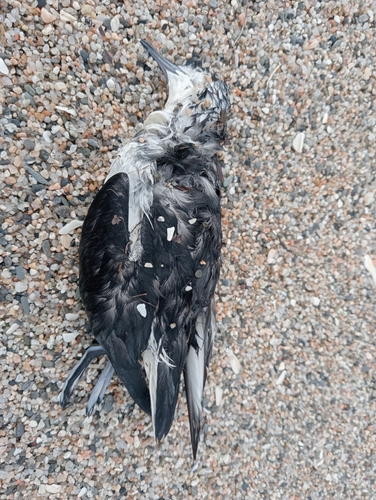 little shearwater
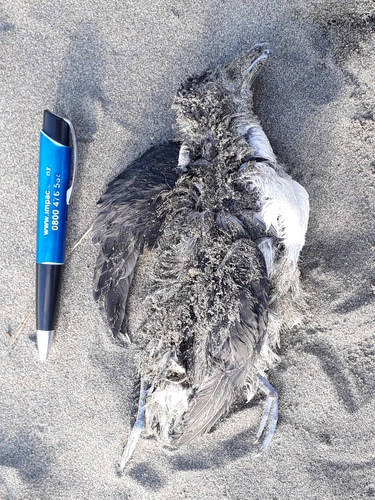 common diving-petrel
Em resumo
A marca de campo mais confiável para separar o little shearwater do common diving-petrel é a estrutura geral e o estilo de voo: o little shearwater tem asas mais longas e é em forma de cruz durante o voo, com um bico esguio e um painel pálido nas penas de voo internas, enquanto o common diving-petrel é compacto, de pescoço curto e robusto, com um bico preto atarracado e batidas de asa rápidas e zumbidoras. Ambos são pretos por cima e brancos por baixo, mas o shearwater apresenta mais contraste e uma silhueta de voo distinta. Em vistas próximas, as pernas e pés azuis do diving-petrel e as finas listras brancas nas asas podem ajudar, mas essas raramente são visíveis no mar. Ambas as espécies são pequenas, mas o diving-petrel é mais pesado e mais robusto.
Dicas de identificação
- Estilo de voo: O little shearwater desliza e faz curvas com asas rígidas e em forma de cruz, enquanto o common diving-petrel tem batidas de asa rápidas e zumbidoras com pouco ou nenhum deslizamento. Se você ver um pássaro cortando e fazendo curvas, é quase certamente um shearwater.
- Forma geral: O shearwater é esguio, com asas longas e alongadas; o diving-petrel é compacto, robusto e de pescoço curto, quase como um futebol voador.
- Forma e cor do bico: O shearwater tem um bico esguio e com ponta pálida; o diving-petrel tem um bico curto, grosso e totalmente preto. Isso é melhor visto de perto ou em fotos.
- Padrão da asa superior: Procure o painel pálido nas penas de voo internas do little shearwater em voo—isso está ausente no diving-petrel, que tem asas mais uniformemente escuras com apenas finas listras brancas sutis.
- Contraste das partes inferiores: O shearwater apresenta um contraste nítido entre preto e branco, especialmente ao fazer curvas; as partes inferiores do diving-petrel são mais opacas e menos definidas.
- Padrão facial: O olho escuro do little shearwater se destaca em um rosto branco; o rosto e o pescoço do diving-petrel podem ser mais marrons, e o olho é menos contrastante.
- Cor das pernas e pés: O diving-petrel tem pernas e pés azuis com membranas escuras, mas isso raramente é visível, a menos que o pássaro esteja muito perto ou na mão.
- Comportamento quando assustado: O diving-petrel frequentemente mergulha diretamente na água quando perturbado, enquanto o shearwater geralmente decola.
- Forma da cauda: A cauda do shearwater é mais longa e mais pontuda; a cauda do diving-petrel é curta e atarracada.
- Contexto do habitat: Se visto longe da costa, especialmente em águas mais quentes, é mais provável que seja um little shearwater; perto de ilhas subantárticas ou próximo à costa, especialmente em oceanos do sul, é mais provável que seja um diving-petrel.
- Abundância relativa: No sudeste da Austrália e na Nova Zelândia, ambos podem ocorrer, mas o diving-petrel é mais comum perto da costa e em colônias, enquanto o shearwater é mais pelágico.
- Impressão de tamanho: O shearwater parece menor e mais leve, apesar de ser mais longo; o diving-petrel é mais pesado e mais robusto.
- Forma da asa: As asas do shearwater são proporcionalmente mais curtas e mais largas do que as do pardela-sombria, mas ainda assim são mais longas e mais pontudas do que as asas curtas e arredondadas do diving-petrel.
- Armadilhas de plumagem: Ambos são pretos por cima e brancos por baixo, mas apenas o shearwater mostra o painel pálido na asa interna e um forte contraste em voo.
- Voz: Não é diagnóstico em campo para a separação entre essas duas espécies.
Tamanho
O little shearwater é ligeiramente mais longo (25–30 cm) com uma envergadura visivelmente maior (58–67 cm), mas é muito mais leve e esguio do que o common diving-petrel, que é mais curto (20–25 cm) mas mais pesado (cerca de 105 g) e muito mais robusto. O diving-petrel parece quase rotundo, com um pescoço e cauda curtos, enquanto o shearwater é mais alongado e delicado. Na mão ou a uma distância muito próxima, o diving-petrel parece muito mais denso e compacto.
Plumagem
Nenhum padrão de asa superior específico para idade é descrito para ambas as espécies, mas adultos e imaturos de little shearwater mostram um forte contraste entre as partes superiores pretas e as partes inferiores brancas, com uma área pálida nas penas de voo internas visível em voo. Este painel pálido é uma marca chave para o little shearwater em todas as idades. O common diving-petrel também é preto por cima e branco por baixo, mas as partes superiores são mais uniformemente escuras e as partes inferiores são de um branco mais opaco. As asas do diving-petrel têm finas listras brancas, mas estas são sutis e muitas vezes difíceis de ver, exceto a uma distância muito próxima. O rosto e o pescoço do diving-petrel podem ser mais marrons do que o resto das partes superiores, enquanto o olho escuro do shearwater se destaca contra um rosto branco. A cor do bico é outra diferença: o little shearwater tem um bico esguio e com ponta pálida, enquanto o bico do diving-petrel é curto, grosso e totalmente preto.
Comportamento
O little shearwater voa com um movimento distinto de 'corte', deslizando baixo sobre a água com asas rígidas mantidas em ângulos retos em relação ao corpo, frequentemente parecendo em forma de cruz. Seu voo alterna entre deslizamento e algumas batidas rápidas, e ele frequentemente faz curvas para mostrar tanto as partes superiores pretas quanto as partes inferiores brancas. Em contraste, o common diving-petrel tem um voo rápido, direto e baixo, com batidas de asa muito rápidas e pouco deslizamento; parece uma pequena bala raspando a superfície. Quando assustados, os diving-petrels frequentemente mergulham diretamente na água em vez de voar para longe. Em terra, ambas as espécies nidificam em tocas, mas o diving-petrel raramente é visto longe da colônia.
Habitat
Ambas as espécies são pelágicas e nidificam em ilhas, mas o little shearwater é mais provável de ser visto em oceanos abertos ou águas offshore, às vezes longe da terra. O common diving-petrel é geralmente encontrado mais perto da costa, especialmente sobre a plataforma continental, e é mais provável de ser visto perto de colônias de reprodução em ilhas subantárticas e temperadas. A forrageamento do diving-petrel é principalmente perto da costa durante a temporada de reprodução, enquanto o shearwater pode ser encontrado em uma gama mais ampla de habitats marinhos.
little shearwater · common diving-petrel · Minhas aves difíceis