

Little Shearwater vs Common Diving-Petrel
Puffinus assimilis contro Pelecanoides urinatrix
Fai un quiz con Little Shearwater e Common Diving-Petrel
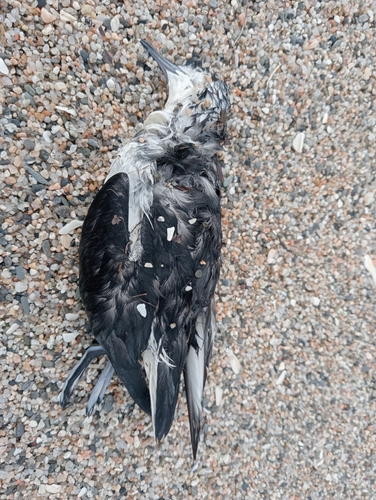 Little Shearwater
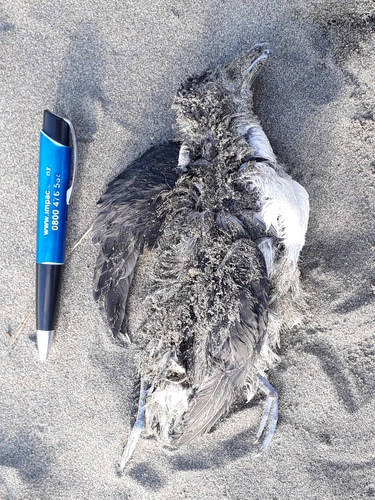 Common Diving-Petrel
In breve
Il segno di campo più affidabile per separare il Little Shearwater dal Common Diving-Petrel è la struttura generale e lo stile di volo: il Little Shearwater ha ali più lunghe e una forma a croce in volo, con un becco sottile e un pannello chiaro sulle piume di volo interne, mentre il Common Diving-Petrel è compatto, con collo corto e grasso, con un becco nero tozzo e battiti d'ali rapidi e fruscianti. Entrambi sono neri sopra e bianchi sotto, ma il shearwater mostra un contrasto maggiore e una silhouette di volo distintiva. In vista ravvicinata, le gambe e i piedi blu del diving-petrel e le sottili strisce bianche sulle ali possono aiutare, ma queste sono raramente visibili in mare. Entrambe le specie sono piccole, ma il diving-petrel è più pesante e più tozzo.
Consigli di identificazione
- Flight style: Il Little Shearwater scivola e curva con ali rigide a forma di croce, mentre il Common Diving-Petrel ha battiti d'ali rapidi e fruscianti con poco o nessun scivolamento. Se vedi un uccello che scivola e curva, è quasi certamente un shearwater.
- Overall shape: Il shearwater è snello, con ali lunghe e allungate; il diving-petrel è compatto, robusto e con collo corto, quasi come un pallone volante.
- Bill shape and color: Il shearwater ha un becco sottile e con punta chiara; il diving-petrel ha un becco corto, spesso e completamente nero. Questo è meglio visibile da vicino o in foto.
- Upperwing pattern: Cerca il pannello chiaro sulle piume di volo interne del Little Shearwater in volo—questo è assente nel diving-petrel, che ha ali più uniformemente scure con solo sottili strisce bianche.
- Underparts contrast: Il shearwater mostra un contrasto netto tra il nero e il bianco, specialmente quando curva; le parti inferiori del diving-petrel sono più opache e meno definite.
- Facial pattern: L'occhio scuro del Little Shearwater spicca su un volto bianco; il volto e il collo del diving-petrel possono essere più marroni, e l'occhio è meno contrastante.
- Leg and foot color: Il diving-petrel ha gambe e piedi blu con membrane nere, ma questo è raramente visibile a meno che l'uccello non sia molto vicino o in mano.
- Behavior when flushed: Il diving-petrel spesso tuffa direttamente in acqua quando disturbato, mentre il shearwater di solito prende il volo.
- Tail shape: La coda del shearwater è più lunga e appuntita; la coda del diving-petrel è corta e tozza.
- Habitat context: Se visto lontano dalla costa, specialmente in acque più calde, è più probabile che sia un Little Shearwater; vicino a isole subantartiche o vicino alla costa, specialmente negli oceani meridionali, è più probabile che sia un diving-petrel.
- Relative abundance: Nel sud-est dell'Australia e in Nuova Zelanda, entrambe le specie possono verificarsi, ma il diving-petrel è più comune vicino alla costa e nelle colonie, mentre il shearwater è più pelagico.
- Size impression: Il shearwater appare più piccolo e leggero, nonostante sia più lungo; il diving-petrel è più pesante e più robusto.
- Wing shape: Le ali del shearwater sono proporzionalmente più corte e più larghe rispetto al Manx Shearwater, ma comunque più lunghe e appuntite rispetto alle ali corte e arrotondate del diving-petrel.
- Plumage pitfalls: Entrambi sono neri sopra e bianchi sotto, ma solo il shearwater mostra il pannello chiaro interno dell'ala e un forte contrasto in volo.
- Voice: Non è diagnostico sul campo per la separazione tra queste due specie.
Taglia
Il Little Shearwater è leggermente più lungo (25–30 cm) con un'apertura alare notevolmente più lunga (58–67 cm), ma è molto più leggero e più snello rispetto al Common Diving-Petrel, che è più corto (20–25 cm) ma più pesante (circa 105 g) e molto più robusto. Il diving-petrel appare quasi rotondo, con collo e coda corti, mentre il shearwater è più allungato e delicato. In mano o a distanza molto ravvicinata, il diving-petrel si sente molto più denso e compatto.
Piumaggio
Non sono descritti schemi di ali specifici per età per nessuna delle due specie, ma gli adulti e gli immaturi di Little Shearwater mostrano un forte contrasto tra le parti superiori nere e le parti inferiori bianche, con un'area chiara sulle piume di volo interne visibile in volo. Questo pannello chiaro è un segno chiave per il Little Shearwater a tutte le età. Il Common Diving-Petrel è anch'esso nero sopra e bianco sotto, ma le parti superiori sono più uniformemente scure e le parti inferiori sono di un bianco più opaco. Le ali del diving-petrel hanno sottili strisce bianche, ma queste sono sottili e spesso difficili da vedere, tranne che a distanza molto ravvicinata. Il volto e il collo del diving-petrel possono essere più marroni rispetto al resto delle parti superiori, mentre l'occhio scuro del shearwater spicca su un volto bianco. Il colore del becco è un'altra differenza: il Little Shearwater ha un becco sottile e con punta chiara, mentre il becco del diving-petrel è corto, spesso e completamente nero.
Comportamento
Il Little Shearwater vola con un movimento distintivo di 'taglio', scivolando basso sull'acqua con ali rigide tenute ad angolo retto rispetto al corpo, apparendo spesso a forma di croce. Il suo volo alterna tra scivolamento e alcuni rapidi battiti d'ali, e spesso curva per mostrare sia le parti superiori nere che le parti inferiori bianche. Al contrario, il Common Diving-Petrel ha un volo rapido, diretto e basso con battiti d'ali molto veloci e poco scivolamento; sembra un piccolo proiettile che scivola sulla superficie. Quando disturbati, i diving-petrels spesso tuffano direttamente in acqua piuttosto che volare via. A terra, entrambe le specie nidificano in tane, ma il diving-petrel è raramente visto lontano dalla colonia.
Habitat
Entrambe le specie sono pelagiche e nidificano su isole, ma il Little Shearwater è più probabile che venga visto in oceano aperto o in acque al largo, a volte lontano dalla terra. Il Common Diving-Petrel si trova di solito più vicino alla costa, specialmente sopra la piattaforma continentale, ed è più probabile che venga visto vicino a colonie di nidificazione su isole subantartiche e temperate. La ricerca di cibo del diving-petrel è per lo più vicino alla costa durante la stagione di nidificazione, mentre il shearwater può essere incontrato in una gamma più ampia di habitat marini.
Little Shearwater · Common Diving-Petrel · I miei uccelli difficili