

Motmot

ヒメミズナギドリ 対 モグリウミツバメ

Puffinus assimilis 対 Pelecanoides urinatrix

ヒメミズナギドリとモグリウミツバメのクイズ
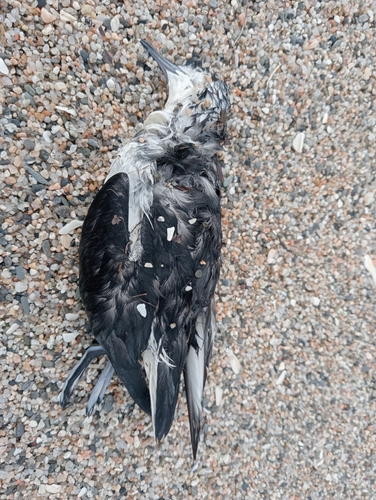
ヒメミズナギドリ (Puffinus assimilis) ヒメミズナギドリ
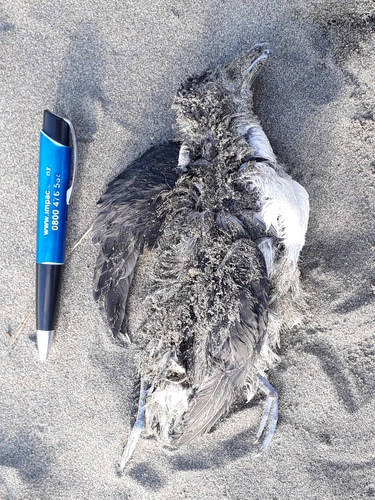
モグリウミツバメ (Pelecanoides urinatrix) モグリウミツバメ

メディア

読み込み中…

要点

ヒメミズナギドリとモグリウミツバメを区別する最も信頼できるフィールドマークは、全体的な構造と飛行スタイルです:ヒメミズナギドリは翼が長く、飛行中は十字型で、細長いくちばしと内側の飛行羽に淡いパネルがあります。一方、モグリウミツバメはコンパクトで短い首を持ち、ずんぐりした体型で、短い黒いくちばしと速く回転する翼の羽音を持っています。両者は上面が黒く、下面が白いですが、ヒメミズナギドリはよりコントラストが強く、独特の飛行シルエットを示します。近くで見ると、モグリウミツバメの青い脚と足、淡い白い翼のストライプが役立ちますが、これらは海上ではほとんど見えません。両種は小型ですが、モグリウミツバメはより重く、より樽型です。

識別のコツ

  1. Flight style: ヒメミズナギドリは硬い十字型の翼で滑空し、バンクしますが、モグリウミツバメは速く回転する羽音で滑空はほとんどありません。もし鳥がシアリングしてバンクしているのを見たら、それはほぼ確実にヒメミズナギドリです。
  2. Overall shape: ヒメミズナギドリは細長く、長い翼を持ち、伸びています;モグリウミツバメはコンパクトで、ずんぐりした体型で、短い首を持ち、ほぼ飛ぶサッカーボールのようです。
  3. Bill shape and color: ヒメミズナギドリは細長く、淡い先端のくちばしを持っています;モグリウミツバメは短く、太く、全体が黒いくちばしを持っています。これは近距離または写真で最もよく見えます。
  4. Upperwing pattern: ヒメミズナギドリの飛行中の内側の飛行羽の淡いパネルを探してください—これはモグリウミツバメにはなく、より均一に暗い翼を持ち、わずかに薄い白いストライプのみです。
  5. Underparts contrast: ヒメミズナギドリは特にバンクしているときに鮮明な黒と白のコントラストを示します;モグリウミツバメの下面は鈍く、あまり明確に定義されていません。
  6. Facial pattern: ヒメミズナギドリの暗い目は白い顔に際立っています;モグリウミツバメの顔と首はより茶色がかっていることがあり、目のコントラストは少ないです。
  7. Leg and foot color: モグリウミツバメは青い脚と足を持ち、黒っぽい水かきがありますが、これは鳥が非常に近くにいるか、手の中にない限り、ほとんど見えません。
  8. Behavior when flushed: モグリウミツバメは動かされると水中に真っ直ぐ潜ることが多いですが、ヒメミズナギドリは通常飛び立ちます。
  9. Tail shape: ヒメミズナギドリの尾は長く、尖っています;モグリウミツバメの尾は短く、ずんぐりしています。
  10. Habitat context: 遠くの沖合で見られる場合、特に暖かい水域では、ヒメミズナギドリの可能性が高いです;亜南極の島々や沿岸近く、特に南の海では、モグリウミツバメの可能性が高いです。
  11. Relative abundance: オーストラリア南東部とニュージーランドでは、両方が発生する可能性がありますが、モグリウミツバメは沿岸やコロニーの近くでより一般的で、ヒメミズナギドリはより外洋性です。
  12. Size impression: ヒメミズナギドリは長さがあるにもかかわらず、小さく軽く見えます;モグリウミツバメは重く、より頑丈です。
  13. Wing shape: ヒメミズナギドリの翼はマンクスミズナギドリよりも相対的に短く広いですが、それでもモグリウミツバメの短く丸い翼よりは長く尖っています。
  14. Plumage pitfalls: 両者は上面が黒く、下面が白いですが、ヒメミズナギドリだけが淡い内側の翼パネルと強いコントラストを示します。
  15. Voice: これらの2種を区別するためのフィールドでの診断には役立ちません。

大きさ

ヒメミズナギドリはわずかに長く(25–30 cm)、翼幅が明らかに長い(58–67 cm)ですが、モグリウミツバメよりもはるかに軽く、細長いです。モグリウミツバメは短い(20–25 cm)ですが、重く(約105 g)て、はるかにずんぐりしています。モグリウミツバメはほぼ丸みを帯びており、短い首と尾を持ち、ヒメミズナギドリはより細長く、繊細です。手に持ったり非常に近くで見ると、モグリウミツバメははるかに密度が高く、コンパクトに感じます。

羽色

どちらの種にも年齢特有の上翼パターンは記載されていませんが、ヒメミズナギドリの成鳥と幼鳥は、黒い上面と白い下面の間に強いコントラストを示し、飛行中に内側の飛行羽に淡い部分が見えます。この淡いパネルは、すべての年齢のヒメミズナギドリの重要なマークです。モグリウミツバメも上面が黒く、下面が白いですが、上面はより均一に暗く、下面は鈍い白です。モグリウミツバメの翼には薄い白いストライプがありますが、これらは微妙で、非常に近くでないと見るのが難しいことが多いです。モグリウミツバメの顔と首は、他の上面よりも茶色がかっていることがありますが、ヒメミズナギドリの暗い目は白い顔に際立っています。くちばしの色も別の違いです:ヒメミズナギドリは細長く、淡い先端のくちばしを持っていますが、モグリウミツバメのくちばしは短く、太く、完全に黒いです。

行動

ヒメミズナギドリは独特の「シアリング」動作で飛び、水面を低く滑空し、体に対して直角に硬い翼を持ち、しばしば十字型に見えます。その飛行は滑空といくつかの素早い羽ばたきの間で交互に行われ、しばしば黒い上面と白い下面の両方を示すためにバンクします。対照的に、モグリウミツバメは非常に速い羽音で、滑空はほとんどなく、迅速で直接的、低い飛行を持っています;水面を滑る小さな弾丸のように見えます。動かされると、モグリウミツバメは飛び去るのではなく、水中に真っ直ぐ潜ることが多いです。陸上では、両種は巣穴に巣を作りますが、モグリウミツバメはコロニーから離れているところではほとんど見られません。

生息環境

両種は外洋性で島に巣を作りますが、ヒメミズナギドリは開放海や沖合の水域で見られる可能性が高く、時には陸から遠く離れています。モグリウミツバメは通常、特に大陸棚の上で沿岸近くに見られ、亜南極や温帯の島々の繁殖コロニーの近くで見られる可能性が高いです。モグリウミツバメの採餌は繁殖シーズン中は主に沿岸で行われますが、ヒメミズナギドリはより広範囲の海洋生息地で遭遇することができます。

より良い説明を送る

比較と同じ項目を使ってください。文章はすぐに公開されます。

The most reliable field mark to separate Little Shearwater from Common Diving-Petrel is overall structure and flight style: Little Shearwater is longer-winged and cross-shaped in flight, with a slender bill and a pale panel on the inner flight feathers, while Common Diving-Petrel is compact, short-necked, and plump with a stubby black bill and rapid, whirring wingbeats. Both are black above and white below, but the shearwater shows more contrast and a distinctive flight silhouette. In close views, the diving-petrel's blue legs and feet and faint white wing strips can help, but these are rarely visible at sea. Both species are small, but the diving-petrel is heavier and more barrel-shaped.

  1. Flight style: Little Shearwater glides and banks with stiff, cross-shaped wings, while Common Diving-Petrel has rapid, whirring wingbeats with little or no gliding. If you see a bird shearing and banking, it's almost certainly a shearwater.
  2. Overall shape: Shearwater is slender, long-winged, and elongated; diving-petrel is compact, thickset, and short-necked, almost like a flying football.
  3. Bill shape and color: Shearwater has a slender, pale-tipped bill; diving-petrel has a short, thick, all-black bill. This is best seen at close range or in photos.
  4. Upperwing pattern: Look for the pale panel on the inner flight feathers of Little Shearwater in flight—this is absent in diving-petrel, which has more uniformly dark wings with only subtle thin white strips.
  5. Underparts contrast: Shearwater shows a crisp black-and-white contrast, especially when banking; diving-petrel's underparts are duller and less sharply defined.
  6. Facial pattern: The dark eye of Little Shearwater stands out in a white face; diving-petrel's face and neck can be browner, and the eye is less contrasting.
  7. Leg and foot color: Diving-petrel has blue legs and feet with blackish webbing, but this is rarely visible unless the bird is very close or in the hand.
  8. Behavior when flushed: Diving-petrel often dives straight into the water when disturbed, while shearwater usually takes flight.
  9. Tail shape: Shearwater's tail is longer and more pointed; diving-petrel's tail is short and stubby.
  10. Habitat context: If seen far offshore, especially in warmer waters, Little Shearwater is more likely; near subantarctic islands or close to shore, especially in southern oceans, diving-petrel is more likely.
  11. Relative abundance: In southeastern Australia and New Zealand, both can occur, but diving-petrel is more common nearshore and at colonies, while shearwater is more pelagic.
  12. Size impression: Shearwater appears smaller and lighter, despite being longer; diving-petrel is heavier and more robust.
  13. Wing shape: Shearwater's wings are proportionally shorter and broader than Manx Shearwater, but still longer and more pointed than the diving-petrel's short, rounded wings.
  14. Plumage pitfalls: Both are black above and white below, but only the shearwater shows the pale inner wing panel and strong contrast in flight.
  15. Voice: Not diagnostic in the field for separation between these two species.

Little Shearwater is slightly longer (25–30 cm) with a noticeably longer wingspan (58–67 cm), but is much lighter and more slender than the Common Diving-Petrel, which is shorter (20–25 cm) but heavier (about 105 g) and much more thickset. The diving-petrel appears almost rotund, with a short neck and tail, while the shearwater is more elongated and delicate. In the hand or at very close range, the diving-petrel feels much denser and more compact.

No age-specific upperwing patterns are described for either species, but adults and immatures of Little Shearwater show a strong contrast between black upperparts and white underparts, with a pale area on the inner flight feathers visible in flight. This pale panel is a key mark for Little Shearwater at all ages. The Common Diving-Petrel is also black above and white below, but the upperparts are more uniformly dark and the underparts are a duller white. The diving-petrel's wings have thin white strips, but these are subtle and often hard to see except at very close range. The face and neck of the diving-petrel can be browner than the rest of the upperparts, while the shearwater's dark eye stands out against a white face. Bill color is another difference: Little Shearwater has a slender, pale-tipped bill, while the diving-petrel's bill is short, thick, and entirely black.

Little Shearwater flies with a distinctive 'shearing' motion, gliding low over the water with stiff wings held at right angles to the body, often appearing cross-shaped. Its flight alternates between gliding and a few quick flaps, and it often banks to show both black upperparts and white underparts. In contrast, Common Diving-Petrel has a rapid, direct, and low flight with very fast wingbeats and little gliding; it looks like a small bullet skimming the surface. When flushed, diving-petrels often dive straight into the water rather than flying away. On land, both species nest in burrows, but the diving-petrel is rarely seen away from the colony.

Both species are pelagic and nest on islands, but Little Shearwater is more likely to be seen in open ocean or offshore waters, sometimes far from land. Common Diving-Petrel is usually found closer to shore, especially over the continental shelf, and is more likely to be seen near breeding colonies on subantarctic and temperate islands. The diving-petrel's foraging is mostly nearshore during breeding season, while the shearwater can be encountered in a wider range of marine habitats.

変更を破棄しますか?

保存していない編集があります。今離れると失われます。

ヒメミズナギドリ · モグリウミツバメ · 苦手な鳥